Mazu Cultural Park
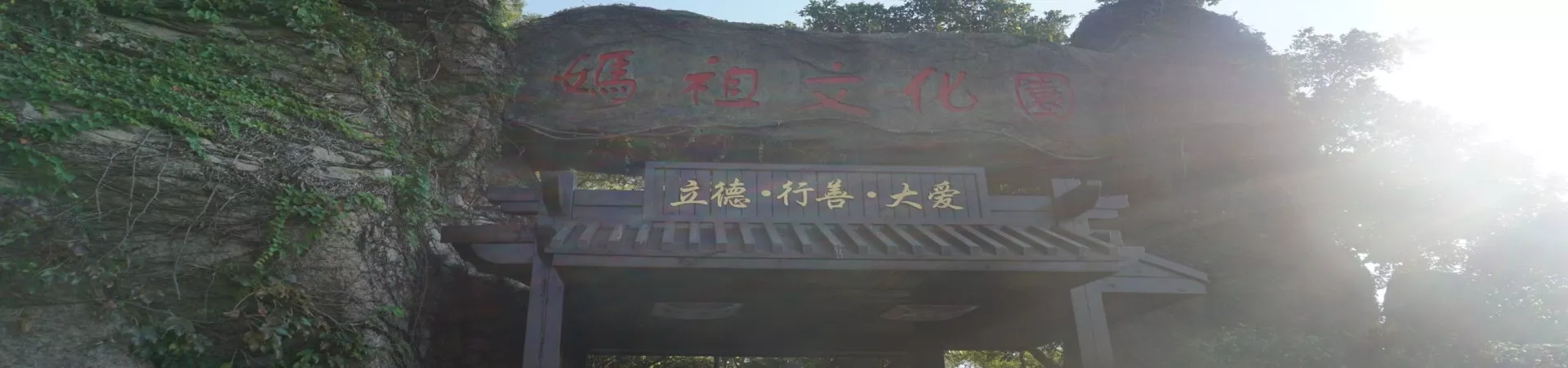
Subtitle: A Pilgrimage to the Sea: Exploring the Mazu Cultural Park in Putian, China
1. Introduction: The Spiritual Heart of the Sea
Nestled along the coast of Putian City in Fujian Province, China, the Mazu Cultural Park stands as a monumental tribute to one of the most revered deities in Chinese folk religion: Mazu, the Goddess of the Sea. More than just a scenic tourist destination, the park is a profound spiritual center, an architectural marvel, and a living museum dedicated to the centuries-old culture that has grown around this benevolent figure. For sailors, fishermen, migrants, and countless devotees across the globe, Mazu represents protection, safety, and maternal compassion. The Mazu Cultural Park, often serving as the gateway to the nearby Meizhou Island (the legendary birthplace of Mazu), offers visitors a comprehensive and immersive journey into this unique cultural phenomenon. It is a place where myth intertwines with history, grand structures converse with the vast ocean, and the devout faith of millions finds physical expression.
2. Planning Your Visit: Essential Information
2.1. Location and Access The Mazu Cultural Park is situated in Putian's Licheng District, facing the Taiwan Strait. It is conveniently accessible from the city center and is often visited in conjunction with a trip to Meizhou Island. Visitors can reach Putian via high-speed rail or air (through Fuzhou or Xiamen airports) and then take local transportation, such as taxis or buses, to the park.
2.2. Operating Hours and Best Times to Visit The park operates on a seasonal schedule to accommodate daylight hours and visitor comfort.
- Summer Season (April 16 - October 15): The park is open from 08:00 to 17:30, with the last admission at 17:30.
- Winter Season (October 16 - April 15 of the following year): Hours are from 08:30 to 17:00, with the last admission at 17:00.
It is advisable to check for any updates before your visit, especially during major Chinese holidays. The best times to visit are during spring and autumn when the weather is mild. However, visiting around Mazu's birthday (23rd day of the 3rd lunar month) or other significant festival dates, while crowded, offers a chance to witness vibrant ceremonial activities.
3. Exploring the Park: Architectural and Cultural Highlights
The park's layout is designed with symbolic meaning, leading visitors on a path of discovery and reverence. Its architecture is a magnificent blend of traditional Southern Fujian style, imperial grandeur, and modern scale.
3.1. The Central Axis: A Path of Reverence The park is organized along a majestic central axis that stretches from the mountain towards the sea, mirroring the belief in Mazu's watchful gaze over the ocean.
- The Sacred Statue of Mazu: The undeniable centerpiece is the towering stone statue of Mazu. Standing at a height of 14.35 meters on a 16.83-meter base (totaling over 30 meters), she faces the sea, radiating serenity and majesty. Her figure, often depicted holding a ceremonial tablet, symbolizes her divine authority to protect seafarers. The scale and craftsmanship of the statue are awe-inspiring, making it a focal point for prayer and photography.
- The Main Temple Complex: Flanking the axis are grand temple halls constructed in the style of ancient palace architecture, featuring sweeping curved roofs, intricate wood carvings, and vibrant painted decorations. These halls house altars, historical relics, and detailed exhibits on Mazu's life and miracles.
3.2. Key Structures and Exhibits
3.2.1. The Mazu Cultural Exhibition Hall This hall is crucial for understanding the depth of Mazu culture. It uses dioramas, historical documents, artifacts, and multimedia presentations to narrate the story of Lin Mo (the historical figure who became Mazu), the spread of her worship along maritime routes, and her evolution into a global cultural icon, particularly within communities across Southeast Asia and Taiwan.
3.2.2. The Bell and Drum Towers Positioned symmetrically within the complex, these traditional towers add to the solemn and majestic atmosphere. The sounding of the bell and drum follows ritual schedules, their deep echoes symbolizing the communication between heaven and earth.
3.2.3. Sculpture Galleries and Stone Carvings Throughout the park, visitors will encounter numerous stone and bronze sculptures depicting scenes from Mazu legends, such as her "crossing the sea on a mat" to rescue fishermen. Long corridors of stone tablets are inscribed with poems, prayers, and donor names, reflecting the deep and widespread devotion to the goddess.
4. The Cultural Significance and Visitor Experience
4.1. A Living Cultural Heritage A visit to the Mazu Cultural Park is not merely observational; it is an engagement with a living tradition. You will likely see devotees, some having traveled great distances, performing traditional rituals: offering incense, presenting fruits and flowers, and praying silently with deep concentration. The air is often fragrant with sandalwood, and the atmosphere is one of respectful tranquility. This active devotion provides an authentic glimpse into the role folk religion plays in the lives of millions.
4.2. Panoramic Vistas and Contemplation The park's coastal location provides breathtaking panoramic views of the Taiwan Strait. The sight of the colossal Mazu statue against the backdrop of the endless blue ocean is profoundly moving. Many visitors find moments of quiet contemplation here, reflecting on themes of navigation, safety, and the human connection to the sea.
4.3. A Symbol of Cross-Strait Unity The Mazu Cultural Park also holds significant contemporary political and social meaning. As Mazu worship is immensely popular in Taiwan, the park serves as a powerful cultural and spiritual link between the two sides of the Taiwan Strait. Pilgrimages from Taiwan to Putian are common, highlighting shared heritage and beliefs that transcend political boundaries. The park, therefore, stands as a testament to the deep-rooted cultural unity among Chinese people worldwide.
In conclusion, the Mazu Cultural Park in Putian is a destination that satisfies multiple dimensions of travel—spiritual, historical, architectural, and aesthetic. It offers a dignified and comprehensive introduction to the world of Mazu, leaving visitors with a deeper appreciation for a cultural force that has guided and comforted mariners and migrants for over a millennium. Whether you are a cultural enthusiast, a architecture admirer, or a spiritual seeker, the park promises a memorable and enlightening experience.