Goose Tail God Stone Garden
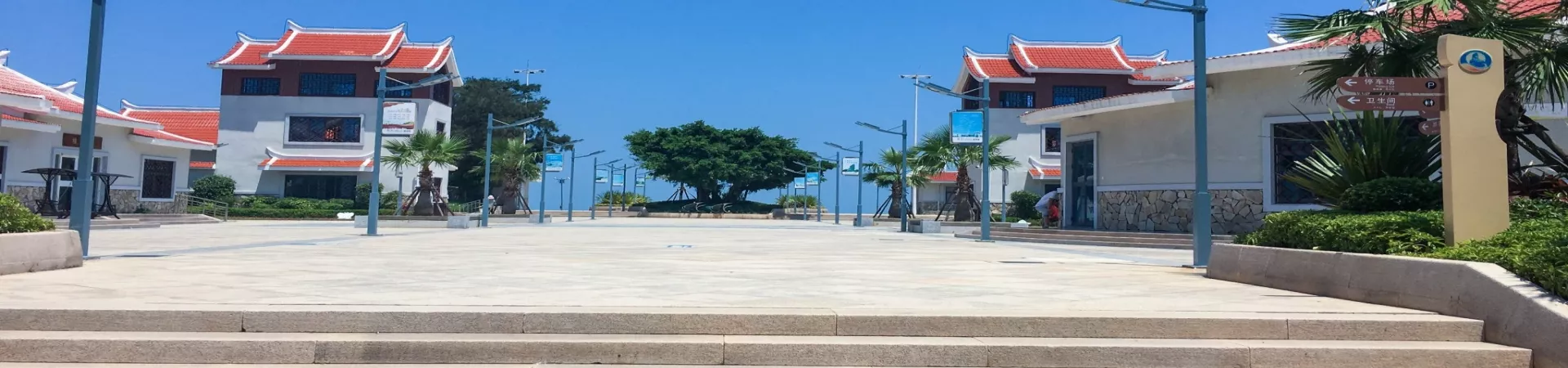
Subtitle: A Journey Through Millennia of Stone and Sea: Exploring Meizhou Island's Etail Shenshi Park
1. Introduction: Where Myth Meets Geology
Nestled at the southeastern tip of Meizhou Island in Putian, Fujian, the Etail Shenshi Park (Goose Tail Sacred Stone Park) stands as a breathtaking testament to the patient, sculpting hand of nature. This coastal sanctuary, covering approximately 32 hectares, is far more than a simple collection of rocks; it is an open-air museum of geological marvels, a canvas of natural art, and a sacred landscape deeply intertwined with the spiritual legacy of the Sea Goddess, Mazu. With an elevation of just 65 meters, the park extends into the ocean on three sides, offering visitors a profound sense of communion with the sea and sky. Here, the relentless forces of wind and water have, over an astonishing 130 million years, carved the bedrock into a fantastical array of shapes, creating one of China's most rare and典型 (diǎnxíng, typical) examples of sea-erosion地貌 (dìmào, landform). Every fissure, arch, and silhouette tells a dual story: one written in the language of earth science, and another whispered through ancient local legends.
2. The Geological Marvel: Nature's Masterpiece
2.1. Formation of a Timeless Landscape The park's foundation is a narrative of immense timescales. The primary rock formations belong to Cretaceous period granite, which has been subjected to endless cycles of marine erosion, weathering, and tectonic activity. This slow-motion artistry has resulted in a spectacular diversity of features: sea caves, natural arches, towering stacks, honeycomb weathering patterns, and smooth, sculpted basins. The term "sea-erosion地貌" finds its pure expression here, with textbook examples of how coastal processes can transform solid stone into intricate, often delicate, sculptures.
2.2. A Park of Five Distinct Realms For ease of exploration and understanding, the myriad formations are conceptually grouped into five major sections, each with its own character: * Jinshan'ao (Golden Mountain Nook): Often considered the heart of the park, this area is densely packed with iconic stone formations. * Feiji Dong (Flying Halberd Cave): Named for its sharp, weapon-like rock spires and cavernous spaces where the sea thunders inside. * Haimen (Sea Gate): Features dramatic arches and gateways where the sea passes through the stone, creating spectacular vistas and roaring acoustics. * Shizi Shan (Lion Mountain): Dominated by massive, crouching stone shapes that vividly resemble guardian lions. * Shenshi Gang (Sacred Stone Ridge): A ridge line offering panoramic views and home to some of the most spiritually significant formations.
3. Exploring the Iconic Formations and Scenic Spots
Within these five realms, dozens of named spots captivate the imagination. Each one is a highlight, inviting visitors to observe, photograph, and reflect.
3.1. Legendary Figures in Stone * Sea Turtle Paying Homage (Hai Gui Chao Sheng): Perhaps the most famous formation, this uncanny resemblance to a giant sea turtle eternally crawling towards the island's interior is central to Mazu folklore. It is said to represent a divine turtle coming to pay respects to the Goddess. * Lion Hill: A collection of rocks that collectively form the majestic profile of a resting lion, symbolizing protection and strength. * Thumb Rock (Mu Zhi Shi): A singular, upright stone pillar strikingly shaped like a giant thumb, often seen as a symbol of approval from nature or the divine.
3.2. Dynamic Landscapes and Interactive Features * Dragon Cave Listening to the Tide (Long Dong Ting Chao): A deep sea cave where visitors can sit and experience the powerful, rhythmic boom of waves crashing inside the cavern, a natural symphony that changes with the tide. * Carp in Eighteen Sections (Li Yu Shiba Jie): A long, sinuous rock formation that looks like a giant carp (a symbol of perseverance and luck) leaping from the water, its body segmented into distinct parts. * Flying Halberd Cave: A complex of caves and sharp, projecting rocks that create a sense of adventure and mythical grandeur. * Sacred Spring Well (Sheng Quan Jing): A natural freshwater spring found amidst the salty sea air, often associated with purity and divine blessing in local tales.
4. Practical Information for Visitors
To fully enjoy the wonders of Etail Shenshi Park, a bit of planning is essential.
4.1. Location and Access The park is located at the southeastern extremity of Meizhou Island. Visitors typically reach Meizhou Island via ferry from Putian's Wenzhou Port. Upon arrival on the island, local buses, tourist electric carts, or taxis can take you directly to the park entrance.
4.2. Operating Hours and Contact The park is open year-round, offering consistent access to its beauty. * Opening Hours: 08:00 - 17:00, Monday through Sunday. * Contact Information: For inquiries, you can call 0594-5089922 or the toll-free number 400-918-9966.
4.3. Tips for an Enriched Visit * Footwear: Wear sturdy, non-slip shoes as the paths involve walking over natural, sometimes uneven, rock surfaces and stairs. * Timing: Aim to visit on a clear day for the best views and photography. The hours around sunrise and sunset offer particularly magical light, casting long shadows and deepening the colors of the stone and sea. * Guides and Interpretation: Consider hiring a local guide or purchasing a detailed map. The stories behind the rocks—both geological and mythological—significantly enhance the experience. Informational plaques are placed throughout the park in both Chinese and English. * Combined Pilgrimage: As Meizhou Island is the birthplace of Mazu, a visit to the park is perfectly complemented by a trip to the majestic Meizhou Mazu Ancestral Temple. This combination provides a complete cultural and spiritual journey, connecting the natural sacred stones with the island's central deity.
A walk through Etail Shenshi Park is ultimately a walk through time. It is an opportunity to witness the sublime results of planetary forces working across eons and to feel the enduring human impulse to find meaning, story, and divinity within the shapes of the natural world. The park does not merely display rocks; it invites contemplation on the dialogue between land and sea, time and memory, earth and legend.