Wengji Village
Subtitle: A Journey into the Heart of Pu'er's Ancient Tea Culture
Introduction: The Gateway to an Ancient World
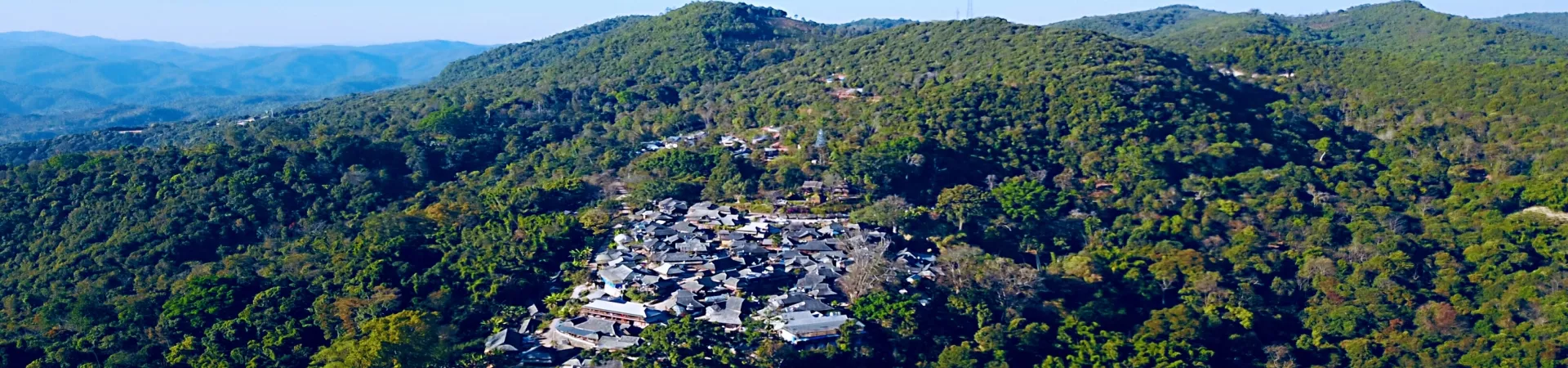
Nestled amidst the mist-shrouded mountains of southern Yunnan's Pu'er City lies a place where time seems to have stood still. This is Wengji Village, a hidden gem and a living museum of the Bulang ethnic minority culture, intrinsically woven with the ancient roots of Pu'er tea. More than just a destination, Wengji is an immersive experience, a serene escape into a landscape where millennia-old tea trees, traditional wooden stilt houses, and profound cultural traditions create a tapestry of unparalleled authenticity. For the traveler seeking connection—with history, with nature, and with a way of life preserved for generations—Wengji Village offers a rare and profound journey.
1. The Soul of the Village: People and Culture 1.1. The Bulang People: Guardians of Tea Heritage The heart of Wengji Village beats to the rhythm of the Bulang people, one of China's oldest indigenous ethnic groups and recognized as among the earliest cultivators and domesticators of tea in the world. Their entire cosmology, social structure, and daily life are deeply intertwined with the tea plant. Walking through the village, you are not merely a spectator but a guest in a vibrant, living community. The warmth and hospitality of the Bulang people are as memorable as the scenery. Their intricate embroidery, distinctive traditional dress, and the gentle cadence of their language add rich layers to the visit.
1.2. Architectural Harmony: Stilt Houses and the Sacred The village architecture is a masterpiece of adaptation and symbolism. Traditional wooden stilt houses, built with locally sourced materials, blend seamlessly into the mountainous terrain. These structures, elevated above the ground, speak to a harmonious relationship with the environment. At the center of the village often stands a sacred space, perhaps an ancient tree or a simple altar, reflecting the community's animist beliefs and reverence for nature. Every lane, every home, and every communal space tells a story of a culture that has evolved in sync with its ecological niche.
2. The Liquid Gold: Pu'er Tea and Ancient Plantations 2.1. The Ancient Tea Tree Forest Surrounding and protecting Wengji Village is its most precious treasure: the ancient tea tree forest. These are not orderly plantations but a wild, ecological garden where tea trees, some over a thousand years old, grow alongside a diverse canopy of native flora. Their gnarled trunks and sprawling branches are testament to centuries, if not millennia, of growth. This biodiverse ecosystem is crucial for the unique flavor profile of Wengji tea, imparting a complexity and depth unattainable in managed farms. A walk through this forest is a humbling encounter with living history.
2.2. From Leaf to Cup: The Tea Craftsmanship In Wengji, tea is not an industry; it is a craft and a ritual. Visitors have the unique opportunity to witness the entire traditional process of Pu'er tea production. This includes the careful hand-picking of leaves (often only the tender buds and top few leaves), the precise withering, the critical step of sha qing (killing the green) in large woks, the rolling, sun-drying, and finally, the pressing of the leaves into iconic tea cakes or bricks. Each step is performed with a skill passed down through families, and understanding this process profoundly deepens one's appreciation for every sip of the finished tea.
3. The Visitor's Experience: Immersion and Practicalities 3.1. Activities for the Immersive Traveler A visit to Wengji is best enjoyed through active participation. Key experiences include: * Tea Tasting Sessions: Sit with a local family or a tea master in their home. They will guide you through the ceremonial preparation and tasting of different Pu'er teas, explaining the nuances of aroma, flavor, and mouthfeel. * Cultural Workshops: Some families may offer insights into Bulang embroidery, traditional cooking, or bamboo weaving. * Scenic Hikes: Follow trails leading from the village into the surrounding tea forests and higher into the mountains for breathtaking panoramic views of the terraced landscapes and cloud-covered valleys. * Photography and Contemplation: The play of light through the morning mist, the texture of the ancient wooden houses, and the portraits of the villagers offer endless opportunities for meaningful photography and quiet reflection.
3.2. Essential Practical Information Visiting Hours: The village is accessible to visitors 24 hours a day, every day of the year. The experience varies dramatically with the time: early mornings offer mystical fog and the quiet start of village life, while late afternoons provide stunning golden light. The tea-picking seasons (primarily spring and autumn) are particularly vibrant times to visit. Admission Fee: There is no entrance fee to visit Wengji Village. The community benefits directly through homestays, tea purchases, and cultural experiences. Getting There and Accommodation: Wengji is located in the Lancang Lahu Autonomous County. The journey typically involves flying to Pu'er or Xishuangbanna (Jinghong), followed by a several-hour drive on mountainous roads. Overnight stays are highly recommended and are possible through simple, authentic homestays within the village, offering a chance to live and dine with a local family.
4. A Tapestry of Broader Context 4.1. Wengji Within the Pu'er Tea Region Wengji is a cornerstone of the larger "Ancient Tea Horse Road" cultural area. It forms part of a network of historic villages in the Pu'er region, such as nearby Nannuoshan or Jingmai Mountain (which encompasses several ancient tea villages), each with its own character but sharing the core heritage of ancient tea cultivation. A trip to Wengji can easily be combined with visits to these other sites for a comprehensive understanding of the region's tea culture.
4.2. Travel with Respect and Sustainability As a custodian of a fragile cultural and ecological heritage, the responsible traveler is paramount. This means: * Respecting local customs and traditions; always ask for permission before photographing people. * Supporting the local economy by purchasing tea and handicrafts directly from villagers. * Treading lightly on the trails and in the ancient tea forests, leaving no trace. * Understanding that you are a guest in a living community, not a theme park. Patience, openness, and a respectful demeanor are the most valuable currencies you can bring.