Nuogan Ancient Village
A Journey Through Time: Discovering Nuogan Ancient Village in Pu'er, China
Nestled amidst the verdant, rolling hills of southern Yunnan, far from the clamor of modern cities, lies Nuogan Ancient Village. This hidden gem, part of the larger Jingmai Mountain ancient tea forest area, is not merely a destination; it is a living museum, a serene sanctuary, and a testament to a thousand-year-old symbiotic relationship between people and nature. For the discerning traveler seeking authenticity, cultural depth, and breathtaking natural beauty, Nuogan offers an unparalleled glimpse into a preserved way of life centered around the world's most revered beverage: tea.
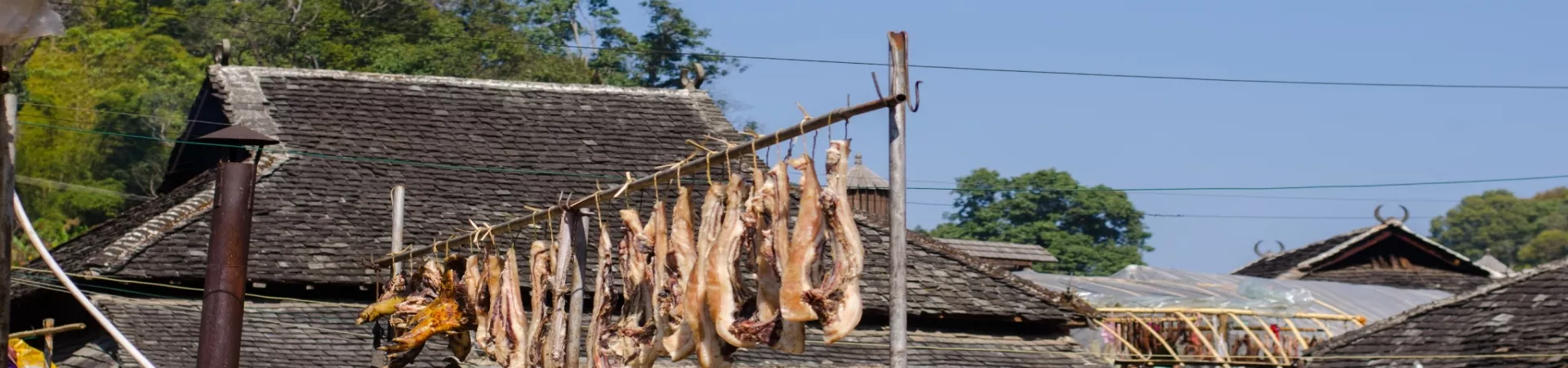
I. The Village as a Living Tapestry * 1.1. Architectural Harmony with Nature The first striking feature of Nuogan is its architectural poetry. The village is a compact, orderly cluster of traditional wooden stilted houses, characteristic of the Dai ethnic people who have inhabited this land for generations. These houses, with their steeply pitched roofs designed for the region's heavy rainfall, seem to grow organically from the mountainside. Walking along the clean, stone-paved pathways that weave between these homes, visitors are enveloped in an atmosphere of timeless tranquility. The absence of overt commercialism is profound; here, life unfolds at its own gentle pace—villagers drying tea leaves in the sun, elders chatting in the shade, and the scent of wood smoke and tea lingering in the air.
- 1.2. A Community Steeped in Tradition Nuogan is a vibrant community where ancient customs are part of daily life. The villagers are primarily Dai people, whose rich culture is evident in their colorful attire, warm hospitality, and Buddhist beliefs. A small but ornate temple often serves as the spiritual heart of the village. The social structure and traditional governance systems, deeply intertwined with tea cultivation, have been preserved, offering a rare insight into a sustainable and community-centric model of existence that has endured for centuries.
II. The Heart of the Region: The Ancient Tea Forests * 2.1. A UNESCO World Heritage Landscape Nuogan's true significance cannot be separated from its surroundings. It is an integral component of the "Cultural Landscape of Old Tea Forests of the Jingmai Mountain," a UNESCO World Heritage site. This designation recognizes the incredible agro-forestry practice developed over a millennium. The ancient tea forests are not plantations but complex ecosystems where tea trees are grown under the canopy of taller forest trees, promoting biodiversity and natural pest control.
- 2.2. Witnessing the "Tea Ancestor" Legacy Venturing into these forests is a humbling experience. Gnarled and moss-covered tea trees, some over a thousand years old, stand as silent witnesses to history. These "tea ancestor" trees are protected and venerated. The practice of understory cultivation, a masterpiece of early ecological wisdom, ensures the sustainability of the tea harvest and the health of the entire mountain environment. For any tea enthusiast, standing beside these ancient organisms is a spiritual moment, connecting one to the very origin of Pu'er tea's legendary status.
III. The Sacred Bond: Pu'er Tea and Dai Culture * 3.1. Tea as Economic and Cultural Lifeline In Nuogan, tea is everything. It is the cornerstone of the economy, the centerpiece of culture, and the link to the spiritual world. The villagers' annual cycle revolves around the careful harvesting, processing, and aging of Pu'er tea. Each family tends to their allotted trees in the forest, following traditional methods passed down through generations. The production of sun-dried raw tea leaves, which are then compressed into cakes for aging, is a craft perfected over centuries.
- 3.2. Rituals and Beliefs Intertwined with Tea The Dai people's Buddhist faith and animist beliefs are deeply connected to the tea forests. It is believed that spirits inhabit the ancient trees and the forest itself. Before the spring harvest, villagers often hold ceremonies to pay respect to the "Tea Spirit," praying for a bountiful harvest and the forest's protection. This sacred reverence is the fundamental reason why these ecological and cultural systems have remained intact, resisting the pressures of industrialization.
IV. Practical Guide for the Conscious Traveler * 4.1. The Journey to Nuogan Reaching Nuogan is part of the adventure. The nearest major city is Pu'er, from which a scenic but winding mountain drive of several hours leads to the Lancang Lahu Autonomous County. The final access to the village involves navigating smaller roads, offering stunning vistas of terraced mountains and dense forest. The remoteness is a key factor in its preservation.
4.2. Immersive Experiences for Visitors A visit to Nuogan is best enjoyed through slow immersion. Key activities include: * Guided Forest Walks: Engage a local guide to explore the ancient tea forests. They can explain the ecosystem, identify ancient trees, and share folklore. * Participating in Tea Processing: During harvest seasons (primarily spring and autumn), visitors may observe or even participate in the picking and initial sun-drying process. * A Traditional Homestay: Staying with a local family in their wooden house is the ultimate cultural experience. It includes home-cooked Dai cuisine and endless cups of fragrant, locally produced Pu'er tea. * Quiet Observation: Simply sitting in the village square, sketching the architecture, or photographing the daily life yields profound rewards.
4.3. Responsible Travel Ethos As a fragile cultural and ecological site, responsible travel is paramount. Visitors should: * Respect local customs and traditions. Dress modestly and ask for permission before photographing people. * Follow designated paths in the tea forests to avoid damaging the undergrowth or disturbing wildlife. * Support the local economy by purchasing tea directly from village families, ensuring authenticity and fair compensation. * Carry out all non-biodegradable waste. The village's pristine environment is a shared responsibility to protect.
Nuogan Ancient Village is more than a stop on a map; it is a profound lesson in harmony. It presents a world where human activity enhances rather than depletes nature, where culture is rooted in the land, and where time is measured in tea tree growth rings. It challenges the modern notion of progress and offers instead a vision of enduring sustainability and peace. For those who make the journey, the reward is a deeper understanding of China's diverse cultural tapestry and a renewed sense of connection to the natural world.