Nayun Ancient Town
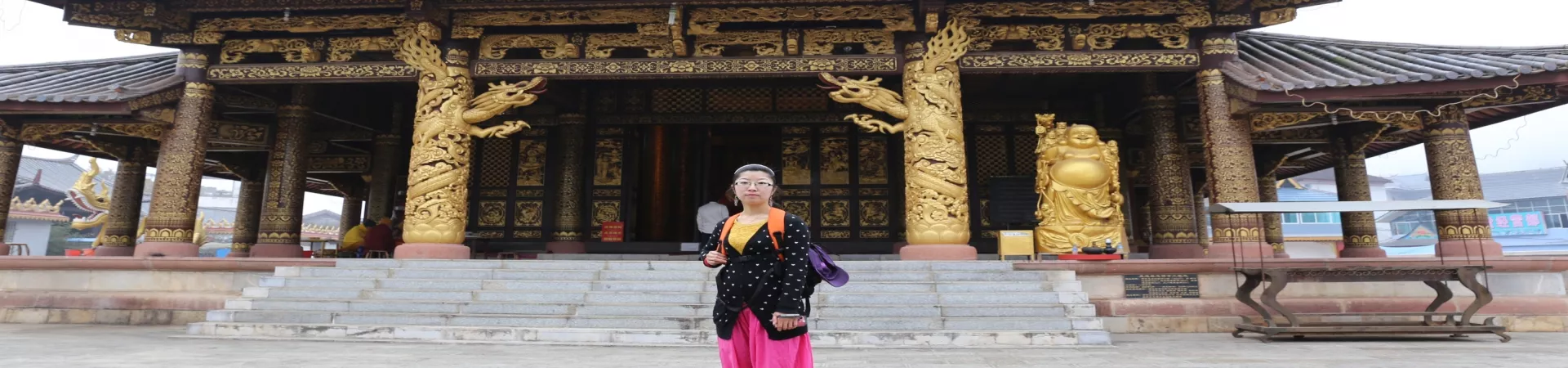
Subtitle: A Journey Through Time in the Last Dai Frontier Town
Nayun Ancient Town, nestled in Menglian County within Pu'er City, Yunnan Province, stands as a living fossil and the last well-preserved Dai ancient town in China. Its name, "Nayun," translates to "the city at the inner tip," hinting at its historical role as a remote yet significant administrative and cultural center. For centuries, it served as the seat of the Menglian Pacification Commissioner's Office (Xuanfusi), governing this lush, border region. More than just a historical site, Nayun is a tangible narrative of Dai royal heritage, architectural wisdom, and the harmonious coexistence of multiple ethnic groups, offering visitors a profound step back into a layered past.
1. Architectural Layout: The "Three Cities and Two Towns"
The town's unique and highly symbolic spatial organization is its most defining characteristic. Historically, Nayun was meticulously planned into a structure known as the "Three Cities and Two Towns" (Shangcheng, Zhongcheng, Xiacheng, and Mangfanggang, Mangfangmao). This layout was a direct physical manifestation of the strict social hierarchy of the Tusi (native chieftain) era.
- Shangcheng (Upper City): Perched at the highest elevation, this was the exclusive domain of the Pacification Commissioner (Tusi) and his immediate family. Its elevated position symbolized supreme power and authority. The crown jewel of Shangcheng, and indeed of all Nayun, is the Menglian Pacification Commissioner's Office (Menglian Xuanfusi Shu). This majestic complex, built in a harmonious blend of Dai and Han architectural styles, served as the Tusi's residence, administrative headquarters, and court. Its strategic placement at the summit offered both a defensive advantage and a symbolic overview of the entire realm below.
- Zhongcheng (Middle City): Built on the slopes below the Upper City, this area was reserved for senior officials, military commanders, and their relatives. Residing here placed them close to the seat of power, reflecting their important but subordinate status within the hierarchy.
- Xiacheng (Lower City): Located at the foot of the hill, this sector housed lower-ranking officials, clerks, and essential service providers. The descending order from Shangcheng to Xiacheng visually reinforced the social structure with every step one took through the town.
- Mangfanggang & Mangfangmao (The Two Towns): These two adjacent villages, often considered integral parts of greater Nayun, were primarily residential areas for commoners, artisans, and farmers who supported the functioning of the administrative center.
This tiered layout is not merely historical trivia; it is a landscape you can walk through, feeling the change in atmosphere and architecture as you ascend from the bustling lower levels to the serene, authoritative upper city.
2. The Crown Jewel: Menglian Pacification Commissioner's Office
Designated as a Provincial-Level Key Cultural Relics Protection Unit in 1965, the Menglian Pacification Commissioner's Office is the indispensable heart of any visit to Nayun. Having undergone careful restoration, the complex is an architectural masterpiece.
- Architectural Synthesis: The office beautifully synthesizes Dai and Han architectural elements. You will observe the graceful, sweeping roofs and intricate wooden carvings characteristic of Dai temple architecture, combined with the symmetrical layout and courtyard structures typical of Han Chinese official compounds. This fusion represents the unique political and cultural position of the Menglian Tusi, who navigated between local traditions and central imperial authority.
- A Dual Symbol: Beyond its architectural splendor, the site holds deep symbolic meaning. It stands as an enduring witness to the rich history and sophisticated governance of the Dai people in this region. Simultaneously, it is revered as a powerful symbol of the unity and friendship among Menglian's 14 indigenous ethnic groups, including the Dai, Lahu, Va, and Hani. For centuries, the Tusi system, centered here, played a role in mediating and integrating the diverse communities of the borderlands.
- Immersive Experience: Walking through its audience halls, living quarters, and tranquil gardens, visitors can almost hear the echoes of official decrees and ceremonial gatherings. The buildings now often house museums displaying historical artifacts, traditional clothing, and religious objects, providing deeper context to the power that once resided here.
3. Cultural Tapestry and Daily Life
While the Tusi heritage is paramount, Nayun's charm also lies in its vibrant, living culture. The town is not a deserted museum but a active community.
- Dai Buddhist Culture: Several serene Buddhist temples, adorned with golden pagodas and murals depicting Buddhist lore, dot the town. They remain active centers of faith and community for the local Dai people. The gentle sound of chanting or the sight of monks in saffron robes is common.
- Traditional Dai Folk Houses: Interspersed among the more official structures are traditional Dai stilted houses, built of wood and bamboo with distinctive thatched or tiled roofs. Many are still inhabited, and their open lower levels often host daily activities or small workshops.
- Local Markets and Crafts: Exploring the lanes may lead you to small markets or family-run stalls selling local specialties like Dai brocade (a stunning hand-woven textile), tropical fruits, and Pu'er tea from the surrounding hills. The warmth and hospitality of the residents add an invaluable layer to the experience.
4. Practical Information for Visitors
To facilitate your visit to this remarkable destination, here is essential practical information.
4.1. Transportation: How to Get There
The most common gateway is from Pu'er City (formerly Simao). * Primary Route: Travelers should go to the Pu'er Wuyi Long-Distance Bus Station. From there, regular coach services operate to Menglian County's main bus station. The journey offers scenic views of Yunnan's mountainous tea-growing terrain. * Upon Arrival in Menglian: Nayun Ancient Town is located very close to the modern county seat of Menglian. From the Menglian bus station, you can easily reach the ancient town entrance via a short local taxi or tuk-tuk ride.
4.2. Opening Hours and Accessibility
- The ancient town itself is an open public area accessible to visitors 24 hours a day, every day of the year. You can wander its cobbled streets and lanes at any time.
- The Menglian Pacification Commissioner's Office and any specific indoor museums within have their own operating hours, typically from approximately 8:30 AM to 5:30 or 6:00 PM daily. It is advisable to check locally for any minor changes, especially during public holidays.
4.3. Tips for Your Visit
- Pacing: Allocate at least half a day to fully appreciate the town. A full day allows for a more leisurely exploration, including visits to local temples and markets.
- Footwear: Comfortable walking shoes are essential, as the exploration involves navigating stone paths and gentle slopes.
- Cultural Respect: As a living community and sacred site, please be respectful when photographing residents, monks, or religious ceremonies. Always ask for permission when appropriate.
- Local Guides: Consider hiring a local guide at the site. Their insights into the history, symbolism of the architecture, and local stories will significantly enrich your understanding beyond what signs can convey.