Chinese Pu'er Tea Expo Park
Subtitle: A Journey Through the Heart of Yunnan's Tea Culture
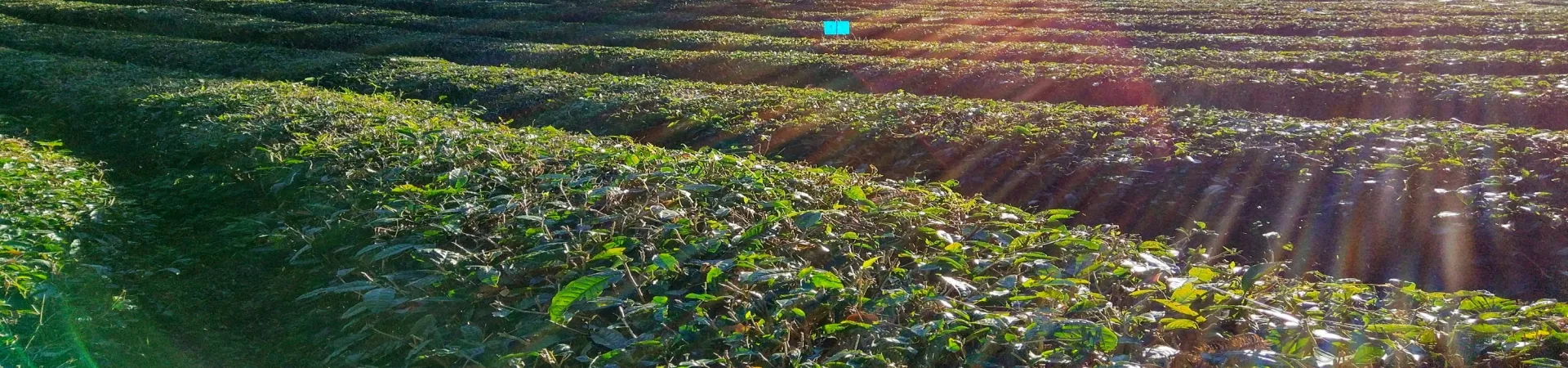
1. Introduction: The Pearl in a Sea of Tea Nestled amidst the rolling green hills of Pu'er City in Yunnan Province, the China Pu'er Tea Expo Garden (中华普洱茶博览苑) stands as a radiant pearl set within an endless, emerald ocean of tea. This comprehensive cultural-tourism destination is far more than a scenic spot; it is a living, breathing homage to the world of Pu'er tea. It masterfully intertwines the region's exceptionally pleasant climate—characterized by warm winters, cool summers, and spring-like weather year-round—with the profound historical tapestry of Pu'er tea culture and the vibrant, colorful customs of the local ethnic communities. Against the breathtaking backdrop of 23,000 mu (approximately 1,533 hectares) of meticulously cultivated tea plantations, the Expo Garden offers visitors a multi-dimensional immersion into the essence of this legendary beverage.
2. A Multifaceted Exploration of Pu'er Tea The core mission of the Pu'er Tea Expo Garden is to present a holistic and立体化 (three-dimensional) perspective on Pu'er tea. It guides visitors through every facet of its existence, creating a comprehensive "grand view" of this unique tea world.
2.1. From Leaf to Legacy: The Complete Story The journey begins with the origins and evolution of Pu'er tea, tracing its historical roots along the ancient Tea Horse Road. It then delves into the intricate cultivation and processing techniques that distinguish Pu'er from other teas, particularly the post-fermentation process that allows it to age and develop complex flavors over time. This narrative seamlessly connects to the cultural history and ethnic origins of tea in the region, highlighting how its story is inextricably woven into the lives of the local people.
2.2. A Cultural Tapestry: Tea and Ethnic Heritage The garden is a celebration of diversity, integrating the rich cultural fabric of Pu'er's major ethnic groups: the Lahus, Was, Blangs, Hanis, and Dais. Their colorful ethnic customs and distinctive cultural practices are not merely displayed but are an active part of the experience. Visitors can witness how tea cultivation, rituals, and daily life have been intertwined for centuries, offering a deeper understanding of the social and spiritual significance of tea beyond its commercial value.
3. Experiential Zones and Attractions The expansive tourism area is thoughtfully divided into nine main sections, each offering a unique window into the world of Pu'er.
3.1. The Heart of Knowledge: Museum and Workshops * Pu'er Tea Museum: Serves as the intellectual cornerstone, housing exhibits on tea history, artifacts, and detailed explanations of the tea's scientific and cultural aspects. * Pu'er Tea Workshop: A practical, hands-on zone where visitors can observe and learn about the traditional steps of tea processing, from withering and rolling to fermenting and pressing.
3.2. Spiritual and Cultural Centers * Tea Ancestor Hall (茶祖殿): A place of reverence dedicated to the mythical and historical figures credited with discovering and cultivating tea, reflecting the deep spiritual connection people have with the plant. * Chun Sheng Yi Pin (盛世一品): This area often focuses on showcasing premium, high-grade Pu'er teas and their significance. * Wen Cha Lou (问茶楼) & Xian Yi Ju (闲怡居): These tranquil pavilions and leisure dwellings provide serene spaces for rest, reflection, and quiet appreciation of the surrounding landscape.
3.3. Interactive and Community Spaces * Village Cluster (村村寨寨): A recreation of traditional ethnic village architecture and environments, offering insights into the lifestyles and tea-related traditions of the local minorities. * Jia Hui Fang (嘉烩坊): Typically a dining or culinary area where visitors can savor local cuisine, often incorporating tea leaves or inspired by tea culture. * Tea-Picking Area: The vast, accessible plantation where the experiential core of the visit takes place.
4. The Hands-On Tea Experience The true magic of the Pu'er Tea Expo Garden lies in its interactive offerings. Visitors are encouraged to move beyond observation and engage all their senses in the timeless rituals of tea.
4.1. The Cycle of Tea: From Garden to Cup The quintessential experience follows the tea's journey: * Tea Appreciation (赏茶): Learning to visually assess tea leaves and cakes. * Tea Picking (采茶): Venturing into the lush plantations with a basket to harvest fresh tea leaves under guidance. * Tea Making (制茶): Participating in key processing stages, such as pan-firing (杀青) the leaves to halt oxidation or learning about the pressing of tea cakes. * Tea Tasting (品茶): The art of Gongfu tea ceremony, learning to brew and savor Pu'er tea correctly to appreciate its aroma, color, and layered flavors.
4.2. Celebration, Commerce, and Legacy * Tea Competition (斗茶): An introduction to the traditional practice of comparing and judging the quality of tea, a ritual that highlights the connoisseurship surrounding Pu'er. * Tea Purchasing (购茶): Opportunities to buy a wide range of authentic Pu'er teas, from fresh raw (Sheng) to aged ripe (Shou) varieties, directly from the source. * Tea Collecting (藏茶): Gaining knowledge on the art and science of storing and aging Pu'er tea, understanding how time and environment transform its character.
Practical Information for Your Visit * Suggested Duration: A thorough exploration requires approximately 1 to 3 hours. * Operating Hours: The garden is open daily from 08:30 to 17:30, with last admissions at 17:00. * Ticketing: Admission is priced at 30 RMB for adults. An optional electric cart (tourist car) service is available for 20 RMB to facilitate travel across the extensive grounds. * Contact: For inquiries, visitors can call 0879-2813788.