Baihefeng Taoist Temple
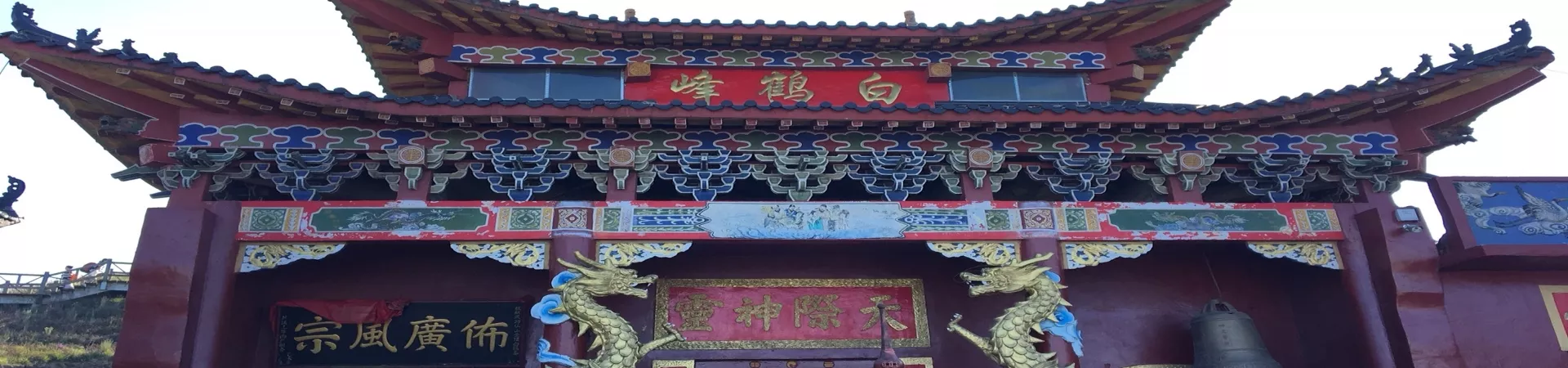
Subtitle: A Guide to Baihefeng Taoist Temple on Mount Wugong
Introduction
Nestled upon the Baihe Peak within the Golden Summit scenic area of Mount Wugong, the Baihefeng Taoist Temple (白鹤峰道观) stands as a serene testament to China's ancient spiritual heritage. Founded in the 60th year of the Qing Dynasty Emperor Kangxi's reign (1721 AD), this temple has weathered centuries while meticulously preserving its original, austere Taoist character. Unlike the often ornate and heavily restored temples found elsewhere, Baihefeng offers an authentic glimpse into the ascetic and harmonious principles of Taoism. Its structures, deliberately simple and unadorned, blend seamlessly with the rugged, mist-shrouded landscape of the mountain. For the modern visitor, the temple presents a dual identity: it is both a active site of quiet contemplation and pilgrimage, and a legendary, strategic waypoint for adventurous trekkers seeking to conquer the famous Wugong ridges.
The Ambiance & Experience
Architectural Simplicity and Spiritual Atmosphere Upon first glance, the temple complex may appear starkly简陋 (simple and crude). However, this very simplicity is its profound strength. The rough-hewn stone, aged timber, and grey-tiled roofs speak of functionality and a deep respect for the natural environment, core tenets of Taoist philosophy. There are no gaudy decorations or loud colors; instead, the atmosphere is one of undisturbed tranquility. This古朴 (ancient, rustic)风貌 (style) evokes a powerful sense of timelessness and神秘感 (mystery). The air feels thick with history, and the quiet is broken only by the wind, distant bells, or the murmur of prayers. It is a place where the ancient artistic sensibility of integrating architecture into nature is palpably felt, offering a stark and beautiful contrast to modern life.
A Hub for Trekkers and Campers Beyond its religious significance, Baihefeng Temple is famously known among hiking enthusiasts as one of the primary and most reliable camping grounds on the route to Mount Wugong's Golden Summit. The temple grounds provide a relatively flat, open area that is considered safe for pitching tents. As dusk falls, the temple transforms from a quiet sanctuary into a vibrant, communal basecamp. Trekkers from various routes converge here, sharing stories, meals, and the anticipation of the sunrise. However, this alpine experience comes with a stern caveat: the cold. Located at a high altitude, temperatures plummet after sunset. The刺骨 (bone-piercing)寒风 (cold wind) is relentless and can be severe even outside of winter. Adequate preparation with a four-season tent, a high-quality cold-weather sleeping bag rated for sub-zero temperatures, and layered thermal clothing is absolutely non-negotiable for anyone planning to overnight here.
Practical Visitor Information
Transportation: How to Get There Baihefeng Temple is located inside the vast Mount Wugong Scenic Area. The mountain has multiple access points, with two main official entrance gates: one from the Anfu county side in Ji'an and the other from the Matian area in Pingxiang. Most visitors access the temple via the Pingxiang route as part of the multi-day trek or the cable car ascent to the Golden Summit.
From Pingxiang City:
- Option A (Direct Bus): From Pingxiang South Bus Station, take the direct bus to Mount Wugong. This bus passes through Gaokeng, Luxi Shawan, Sankouyan Reservoir (near the Lu Deming Memorial Park), Xinquan, and Matian, terminating at the Wugong Golden Summit Cable Car ticket office. From there, you can hike or take the cable car up towards Baihe Peak.
- Schedule: 6:00 - 16:50 daily, with departures approximately every 20 minutes. Frequency may increase during holidays.
- Fare: Approximately 18 RMB per person.
- Journey Time: About 1 hour.
- Option B (From Railway Station): If arriving by train at Pingxiang Railway Station, go to the long-distance bus station outside. Take the express bus from Pingxiang North Station to Wugong. This route passes by the West Sea Hot Spring and Fayunjie area.
- Fare: Approximately 22 RMB for the full journey.
- Schedule: 5:40 - 17:00, with departures roughly every 20 minutes.
- Option A (Direct Bus): From Pingxiang South Bus Station, take the direct bus to Mount Wugong. This bus passes through Gaokeng, Luxi Shawan, Sankouyan Reservoir (near the Lu Deming Memorial Park), Xinquan, and Matian, terminating at the Wugong Golden Summit Cable Car ticket office. From there, you can hike or take the cable car up towards Baihe Peak.
From Ji'an (Anfu side):
- This route is less common for direct temple access but is a major starting point for alternative trekking routes that may pass near the temple area.
- From Ji'an Railway Station: A direct bus to Wenjia departs at 6:30, arriving at the Wugong Hot Spring Villa around 10:00. It returns to Ji'an station at 13:00. Note: This service runs only once daily. Fare: ~25 RMB.
- Connecting via Anfu County: From Ji'an, take a bus to Anfu county town (buses every 30 mins, ~15 RMB). From Anfu, transfer to a bus heading to Hukeng Town, which passes through Taishan Township (buses every 30 mins, ~10 RMB). From these points, local transport or taxis to the mountain entrance are required.
Admission and Opening Hours
- 门票 (Admission Ticket): There is no separate entrance fee for Baihefeng Taoist Temple itself. Access is included within the general admission ticket for the Mount Wugong Scenic Area. Visitors must purchase the park ticket to enter the trails and areas leading to the temple.
- 开放时间 (Opening Hours): The temple grounds and the surrounding scenic area are open 24 hours a day, every day of the year. This all-day access is crucial for trekkers who arrive at all hours and plan to camp. However, indoor temple halls may have their own limited visiting hours during daylight. The unrestricted outdoor access means you can arrive at the campsite late or depart very early for sunrise hikes.