Liaohe Wetland Park
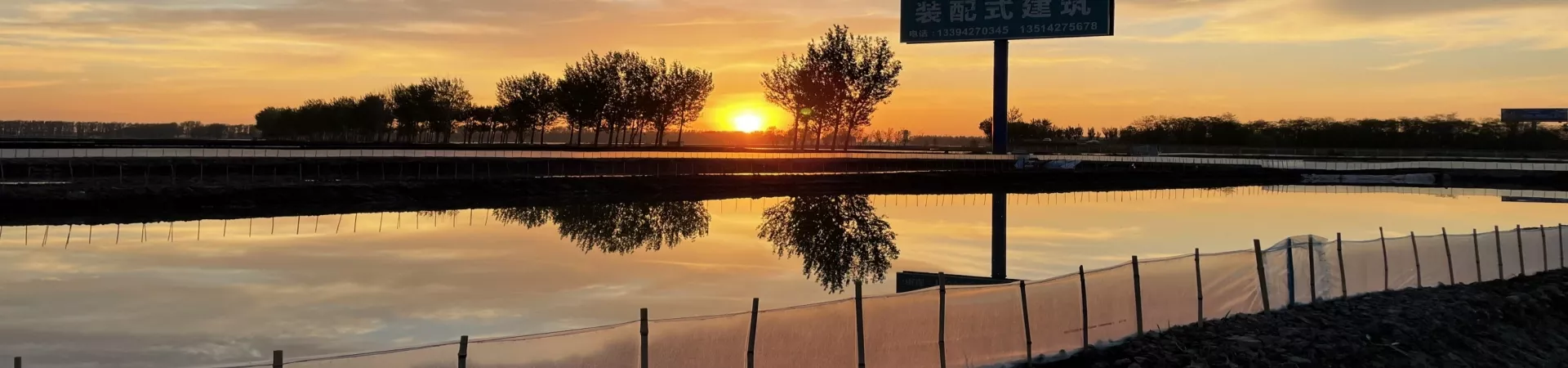
Subtitle: A Journey into the Heart of Northeast China's Wetland Paradise
1. Introduction: The "Home of the Red Beach" Nestled along the coast of the Bohai Sea in Liaoning Province, Panjin is a city uniquely defined by its profound and dynamic relationship with water. At its core lies the Liaohe River Delta Wetland Park, a sprawling ecological masterpiece and one of the most well-preserved coastal wetlands not just in China, but in the entire world. Often celebrated as the "Home of the Red Beach," this park is far more than a single-hued spectacle; it is a vast, living tapestry of ecosystems where land and sea engage in a perpetual, graceful dance. It serves as a crucial stopover on the East Asian-Australasian flyway, a sanctuary for endangered species, and a breathtaking testament to the raw, untamed beauty of nature's cycles.
2. The Crown Jewel: The Phenomenon of the Red Beach 2.1. The Science Behind the Scarlet Tapestry The park's global fame is undoubtedly anchored in its iconic Red Beach. This astonishing natural phenomenon is not caused by sand or minerals, but by a resilient pioneer plant called Suaeda salsa (sea-blite). This remarkable species thrives in the saline-alkaline soils where few other plants can survive. As autumn approaches, from August through October, its lush green leaves undergo a dramatic transformation, turning into a vibrant, deep crimson that paints the vast tidal flats in seemingly endless strokes of red, creating a surreal and visually stunning landscape that stretches to the horizon.
2.2. Optimal Viewing and Key Locations To witness the Red Beach at its most intense and magnificent, planning a visit between late September and mid-October is highly recommended. Within the wetland park, several meticulously developed viewing areas offer distinct perspectives: * Red Beach National Scenic Corridor: The primary and most comprehensive area for viewing, featuring a network of wooden boardwalks that serpentine over the crimson wetlands, allowing for immersive, up-close observation without disturbing the fragile environment. * Moon Bay: An area that combines the red wetland scenery with serene waterways, offering picturesque boat rides and a different, more reflective vantage point.
3. A Biodiverse Sanctuary: Beyond the Red 3.1. A Vital Avian Hub Beneath and beyond its scarlet surface, the Liaohe Wetland is a teeming hub of biodiversity. Its mosaic of reed marshes, shallow waters, mudflats, and estuaries provides an ideal habitat for an astonishing array of wildlife. It is most renowned as a critical habitat for hundreds of bird species. The park is an irreplaceable breeding ground, wintering site, and migration stopover, particularly for the iconic Red-crowned Cranes. Observing these elegant, revered birds in their natural habitat is a profoundly moving experience. The area is also a stronghold for other rare species such as the Saunder's Gull and the Oriental Stork.
3.2. Exploring the Reed Marshes and Waterways The endless seas of reed marshes, sometimes called the "green lungs," are another dominant feature. Taking a guided boat tour through these labyrinthine waterways is a quintessential park activity. The gentle rustle of reeds in the wind, the sight of birds taking flight, and the serene, green corridors offer a peaceful counterpoint to the dramatic red vistas, showcasing the wetland's tranquil and productive side.
4. Practical Visitor Experience and Conservation 4.1. Navigating the Park and Key Activities The park is designed with visitor accessibility and environmental protection in mind. An extensive system of wooden boardwalks and viewing platforms ensures minimal ecological footprint while providing safe and spectacular vistas across sensitive areas. Key activities for visitors include: * Scenic walks and photography along the designated boardwalks. * Educational visits to the wetland museum to understand the region's geology, ecology, and conservation efforts. * Bird watching with binoculars at dedicated observation decks, especially during migration seasons (spring and autumn). * Leisurely boat tours through the vast reed beds.
4.2. Commitment to Sustainable Tourism The management of the Liaohe River Delta Wetland Park operates with a deep-seated philosophy of protection first and sustainable development. The infrastructure is carefully planned to isolate human activity from core ecological zones. Visitors are encouraged to adhere to strict guidelines: staying on marked paths, refraining from littering, and maintaining silence in bird-watching areas to minimize disturbance. This commitment ensures that the wetland's ecological functions—from water purification and flood control to carbon sequestration and biodiversity protection—remain intact for future generations.
4.3. Planning Your Visit * Best Time to Visit: For the Red Beach, target September to October. For birding, April-May (spring migration) and September-October (autumn migration) are superb. * Access: The park is located approximately 30 kilometers southwest of Panjin city center. Access is typically via private vehicle, taxi, or organized tour from Panjin. * Essentials: Prepare for variable weather with sun protection (hat, sunscreen), comfortable walking shoes, binoculars for bird watching, and a camera with ample memory.
The Liaohe River Delta Wetland Park is not merely a scenic destination; it is an immersive lesson in ecology, a sanctuary of life, and a powerful display of nature's seasonal artistry. It invites travelers to slow down, observe deeply, and appreciate the intricate and vital beauty of a healthy wetland ecosystem.