Weijiang
Subtitle: A Photographer's Hidden Gem: Weijiang's Mantou Mountain and the Rhythms of the Tide
Introduction: The Secret Beauty of Dawn and Tide
To the casual observer, the coastline near Weijiang in Ningde, Fujian, might seem unremarkable, a simple stretch of mudflats and fishing villages devoid of dramatic artistry. Yet, this very landscape holds a profound, elusive beauty that reveals itself only to those who seek it in the silent, transformative hours dictated by the celestial dance of the sun and moon. This is the realm of Mantou Mountain (Steamed Bun Mountain), a place that has become a sacred pilgrimage site for photographers and contemplative travelers. Its magic is not in monumental peaks, but in the ephemeral interplay of light, shadow, water, and human endeavor, a spectacle deeply embedded in the moments before dawn and the ebb and flow of the tides.
Section 1: The Canvas of Weijiang - What to Experience and Photograph
The primary allure of Weijiang lies in its dynamic, living scenery, offering a rich tapestry of subjects that change with the time of day and the season.
1.1 The Spectacular Maritime Sunrise The quintessential Weijiang experience begins in absolute darkness. Photographers and early risers position themselves, awaiting the moment when the first sliver of light fractures the horizon over the East China Sea. As dawn breaks, the sky erupts in a symphony of colors—from deep violets and oranges to soft pinks and golds—reflected perfectly on the vast, mirror-like tidal flats. The silhouettes of distant fishing boats and the unique shape of Mantou Mountain itself add compelling foreground elements to this breathtaking daily performance.
1.2 The Unique "Hanging Oyster" Morning Scenes A distinctive feature of this coastline is the traditional oyster farming practice. Locally known as "挂蛎" (guà lì), countless bamboo poles are planted in the intertidal zone, upon which oysters grow. At low tide, especially in the soft morning light, these poles create mesmerizing geometric patterns and textures across the wetlands. The sight of these poles, sometimes shrouded in ethereal sea mist, forms an iconic and uniquely Weijiang landscape.
1.3 Mantou Mountain and the Tidal Landscape The namesake Mantou Mountain is a small, rounded island hill that becomes accessible or surrounded by water depending on the tide. Its simple, elegant form provides a perfect focal point in compositions. The surrounding tidal creeks and pools create leading lines and reflections, making the entire area a natural studio for exploring composition and light.
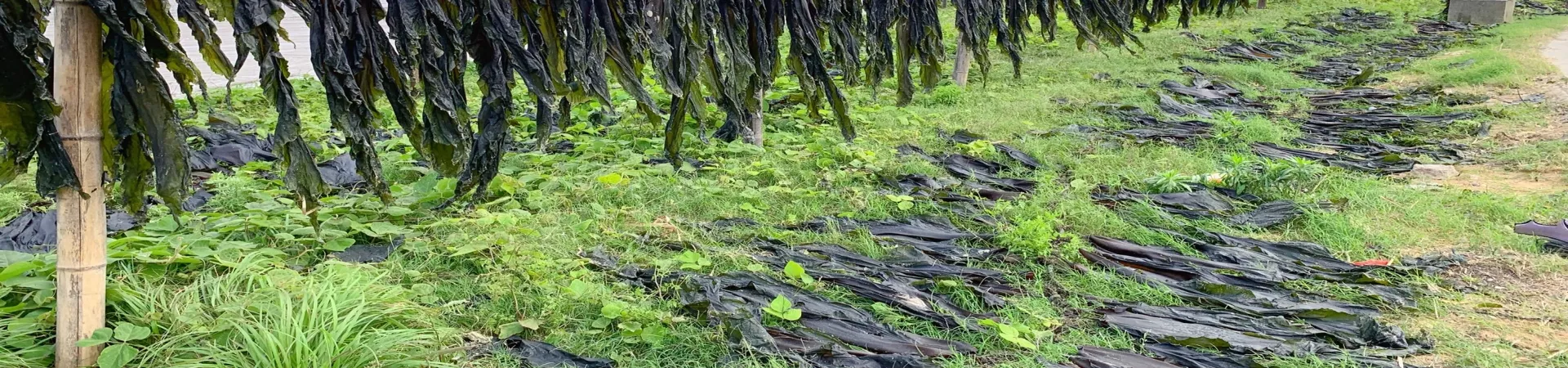
1.4 The Rhythms of Local Life: Seaweed Harvesting Beyond pure landscape, Weijiang offers vibrant cultural photography. A key activity is the harvesting and drying of seaweed (typically kelp). During the season, you can witness fishermen hauling in their glistening harvest and local communities spreading the long, dark green ribbons of seaweed over racks or the beaches to dry. This activity adds a powerful human element—splashes of color, dynamic movement, and stories of livelihood—against the serene natural backdrop.
Section 2: Essential Practical Information for Your Visit
To successfully capture the beauty of Weijiang, practical planning is as crucial as artistic vision.
2.1 Getting There: Transportation Guide Weijiang is located in Xiapu County. The most straightforward public transportation method is to take a bus from the Xiapu District Bus Station (also known as the South Road Station, on Funing Avenue). Board a bus bound for Xi'nan. These buses depart approximately every 30 minutes, pass directly by Weijiang (Mantou Mountain), and the fare is around 10 RMB. The journey takes about 40 minutes. It is advisable to inform the driver or conductor of your specific destination. For greater flexibility, hiring a local driver or taxi from Xiapu for an early morning trip is a popular choice among photographers.
2.2 Admission and Opening Hours There is no formal enclosed "ticket gate" for the Mantou Mountain photography area. Access to the beaches and viewpoints is generally open to the public free of charge, 24 hours a day, throughout the year. However, it is always prudent to check for any recent local updates or regulations. The "all-day" access is particularly important, as your visit will likely begin long before official business hours start elsewhere.
Section 3: Planning Your Visit for the Optimal Experience
3.1 Timing is Everything: Tides and Seasons Your entire experience hinges on timing. Consulting a Xiapu tide table is non-negotiable. The most dramatic scenes, especially the reflections and the exposure of the tidal flats, occur during low tide at sunrise. Aim to arrive at least 60-90 minutes before sunrise to secure a good spot and watch the scene unfold. The seaweed drying season (typically late spring to early summer) adds another layer of photographic opportunity.
3.2 Suggested Duration While the core photographic window may last 2-3 hours around dawn, planning for a 1 to 3-hour stay on site is reasonable. Some visitors may choose to wait for the changing light after sunrise or explore the nearby village. Allocate half a day for the entire excursion from Xiapu, including travel.
Section 4: Tips for a Respectful and Successful Trip
4.1 Preparation and Etiquette * Equipment: Bring a sturdy tripod, a range of lenses (wide-angle for vast scenes, telephoto for compressing distant landscapes and capturing details of workers), and lens cloths for potential mist or spray. * Attire: Wear warm, layered clothing as coastal mornings can be chilly and windy. Waterproof footwear with good grip is essential for walking on potentially slippery rocks and mud. * Respect: This is a workplace for local communities. Always be respectful, maintain a distance from ongoing劳作 (labor), and avoid trampling on drying seaweed or disturbing aquaculture equipment. Seek permission if you wish to take close-up portraits of villagers.
4.2 Final Considerations Weijiang’s Mantou Mountain is not a conventional tourist attraction with amenities. Come prepared with water, snacks, and all necessary supplies. Embrace the early start and the quiet patience required. The reward is an authentic encounter with a landscape where nature's grand cycles and timeless human rhythms converge, creating a masterpiece of fleeting light and enduring culture, visible only to those who know when and where to look.