Shajiang River
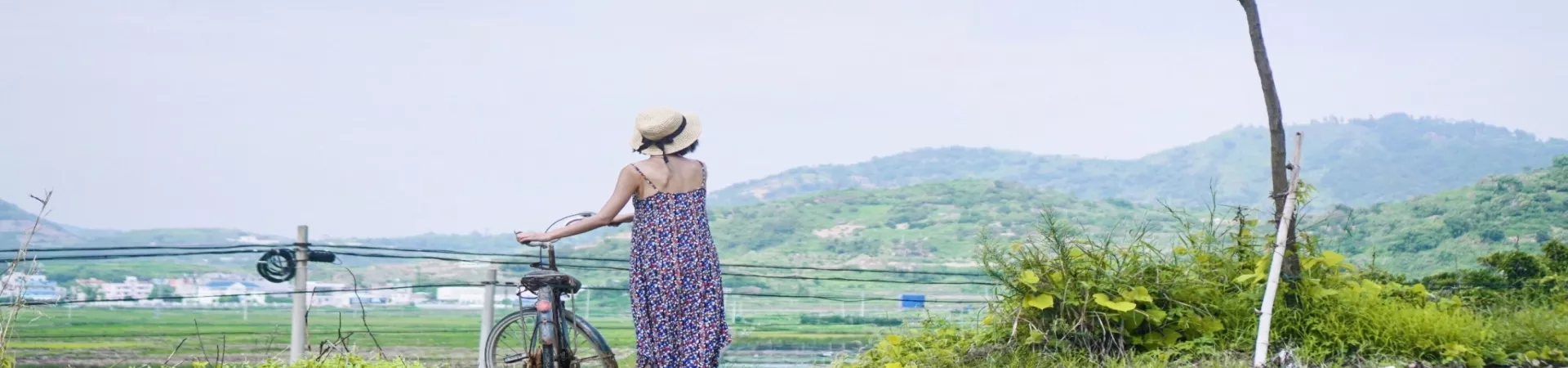
A Photographer's Paradise: The Serene Beauty of Shajiang's Tidelands
Nestled along the coastline of Ningde, in China's Fujian province, lies the tranquil village of Shajiang. Far from the bustling crowds of major tourist hubs, it offers a glimpse into a harmonious and artistic coexistence between humans and the sea. The landscape here is not defined by grand mountains or vast beaches, but by the mesmerizing, ever-changing canvas of its tidelands. At the heart of this unique scenery is a breathtaking, naturally formed spectacle that has made Shajiang a coveted destination for photographers and travelers seeking authentic coastal culture.
The Iconic "S" Curve: Where Nature Meets Human Ingenuity
The most defining feature of Shajiang is the stunning visual phenomenon created in its shallow bay. Here, countless bamboo poles are meticulously planted into the soft tidal mudflats, forming graceful, sweeping lines that curve and flow with the landscape. The most famous of these formations is a perfect, large "S"-shaped waterway. This is not a random occurrence but a testament to generations of local wisdom. These poles serve a crucial practical purpose for the local aquaculture industry, primarily for cultivating and drying seaweed. However, their arrangement has inadvertently created a scene of profound beauty.
During high tide, the sea water fills the channels between these poles. When the tide recedes, it leaves behind a mirror-like surface that perfectly reflects the bamboo forest, the sky, and the surrounding hills. The "S" curve, with its elegant symmetry, draws the viewer's eye through the entire composition, creating a sense of depth and movement even in stillness. It is a masterpiece where human activity has enhanced, rather than disrupted, the natural order.
A Living Canvas: Seasons and Rhythms of Shajiang
The beauty of Shajiang is dynamic, changing not only with the tides but also with the seasons and the daily rhythms of village life.
2.1 The Seaweed Harvest Season: A Symphony of Activity The most vibrant time to visit is undoubtedly during the seaweed harvest season, typically in late spring and early summer. During this period, the functional bamboo poles transform into elements of a vast, open-air art installation. They become draped with long, lush strands of freshly harvested seaweed, hanging like dark green curtains to dry in the sun and salt air. The scene bursts into a palette of rich browns, deep greens, and golden yellows.
Local fishermen navigate their narrow, flat-bottomed boats with remarkable skill through the narrow, winding waterways of the "S" curve. These small vessels, laden with harvests, glide silently between the poles, adding a sense of scale and life to the panorama. The sight of the boats threading the intricate aquatic maze, surrounded by the hanging seaweed, is the quintessential Shajiang moment—a perfect fusion of labor, livelihood, and stunning landscape that resembles a living watercolor painting.
2.2 The Art of Composition: Light, Tide, and Perspective For photographers, Shajiang is a dream. The optimal shooting conditions depend heavily on the tide schedule. The best light is generally considered to be during the golden hours—shortly after sunrise or before sunset—when the soft, angled light paints the scene in warm hues and creates long, dramatic shadows. A mid to high tide is often preferred, as it provides enough water in the channels to create the reflective mirror effect that doubles the visual impact of the poles.
While the classic shot is taken from the elevated viewing platform in the village (which requires a small access fee), exploring different angles along the shore can yield unique perspectives. On overcast days, the diffused light can mute the colors, creating a melancholic, minimalist aesthetic reminiscent of traditional Chinese ink wash paintings.
Practical Information for Your Visit
3.1 Getting to Shajiang Reaching Shajiang involves a journey that is part of its charm. The village is located near Xiapu County. The most common route is to first travel to Ningde City or Fuzhou, then take a long-distance bus to Xiapu County. From Xiapu, you can hire a local taxi or a three-wheeled vehicle for the approximately 40-minute drive to Shajiang village. The final leg of the journey winds through scenic rural roads and gentle hills, offering previews of the coastal landscape.
3.2 Admission and Opening Hours Access to the primary photography viewing point, which is often a small building or platform offering the best vantage point of the "S" curve, is managed locally. There is typically a modest fee for entry, which contributes to the village's maintenance. It is advisable to have some cash on hand for this purpose. As the site is essentially an open coastal area integrated with the village, the surrounding tideland scenery is accessible at all times, 24 hours a day, throughout the year.
3.3 Suggested Duration and Tips To fully appreciate Shajiang and wait for the right light and tide, plan to spend at least half a day, if not longer. Many photography enthusiasts dedicate a full day or multiple days to capture the scene under different conditions.
- Check Tide Tables: Before your visit, research the tide schedule for the area. Timing your arrival for a rising or high tide is crucial for seeing the iconic reflections.
- Wear Appropriate Footwear: If you plan to walk near the shore or on village paths, sturdy, non-slip shoes are recommended.
- Respect the Environment and Community: Remember that the bamboo poles are part of local livelihoods. Avoid disturbing or touching the drying seaweed. Be respectful of the villagers' privacy and work.
- Amenities: Facilities in the village are basic. It's wise to bring water, snacks, and any other necessities with you.
The Essence of Shajiang: Beyond the Lens
While the photographic opportunity is a major draw, the true essence of Shajiang lies in its atmosphere of serene simplicity. It is a place to witness a traditional way of life that has adapted ingeniously to the coastal environment. The slow pace, the sound of lapping water against the boats, the salty breeze, and the sight of villagers engaged in their daily routines offer a profound sense of peace.
Shajiang represents a different kind of tourism—one focused on observation, appreciation, and quiet contemplation. It reminds visitors of the subtle beauty found in patterns, rhythms, and the harmonious intersection of human endeavor and the natural world. It’s not just a sight to be captured, but an experience to be felt, a tranquil pause in the vast and beautiful tapestry of China's coastline.