Dongbi'ao
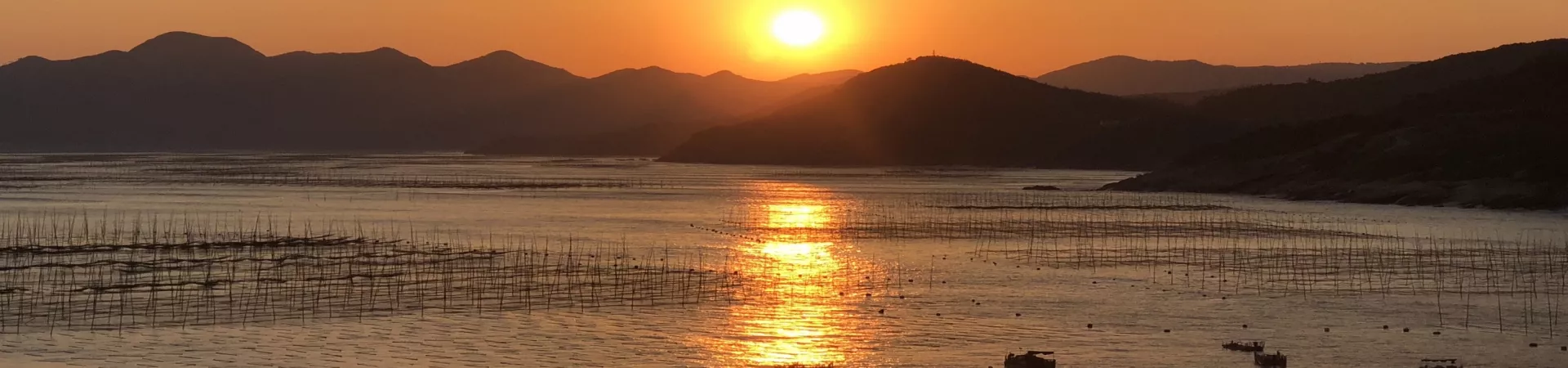
Subtitle: A Photographer's Paradise on the Ningde Coast
Introduction Nestled along the captivating coastline of Ningde in China's Fujian province, Dongbi Village emerges not merely as a settlement but as a canvas painted by nature itself. This seaside haven, where mountains gently meet the sea, has earned a revered spot on the map for travelers and photographers seeking authenticity and breathtaking beauty. Unlike bustling urban centers, Dongbi offers a serene escape, where the rhythm of life is dictated by the tides and the sun's journey across the sky. Its primary allure lies in its unparalleled western exposure, presenting a vast, unobstructed panorama of the East China Sea that sets the stage for what many consider to be one of the most spectacular sunset vistas in the region.
The Landscape: Nature's Ethereal Canvas Geography and Vista Dongbi's topography is its foundational masterpiece. Perched against lush green hills and sprawling directly towards the open waters, the village commands a sweeping, broad view that immediately instills a sense of calm and grandeur. This unique positioning eliminates visual clutter, allowing the endless sky and sea to dominate the horizon. The interplay of land and ocean here is subtle yet dramatic, creating a perfect natural amphitheater for daily celestial performances.
The Iconic Sandbar and Tidal Creeks The heart of Dongbi's photographic magic lies on its intertidal flat. Here, nature engages in a delicate, perpetual dance. A sinuous waterway, formed by a small stream meeting the incoming and receding tides, meanders gracefully across the sandy shore. This ever-shifting creek carves intricate, complex patterns into the beach—a labyrinth of soft, swirling lines and textures that change with every tide and season. The sand, far from being monotonous, is a tapestry of rich, varied hues. When the soft, golden-hour light of the late afternoon sun washes over this landscape, the scene is transformed. The watery channels reflect the fiery sky, while the wet sand glows with a warm, amber radiance. The lines of the creek, highlighted in brilliant gold, resemble molten metal or delicate filigree, adding a vibrant, dynamic energy to the serene beachscape.
The Human Element: Culture in Frame Life and Labor on the Shore Beyond its physical beauty, Dongbi is a living, working village. Its shores are a stage for the timeless traditions of coastal life. As the sun begins its descent, it's common to see local fishermen engaging in their daily routines. Some mend their robust fishing nets with practiced, rhythmic motions, creating patterns of human industry against the natural backdrop. Others might be seen guiding their traditional wooden boats or sorting the day's catch. These scenes offer a powerful, authentic counterpoint to the natural spectacle, providing depth and narrative to the visual experience. Capturing a silhouetted fisherman against the dying light, or the detailed texture of a net cast against the colorful sky, tells a story of harmony between humankind and the sea.
Photographic Opportunities Through the Day While sunset is the crowning moment, Dongbi's charm is not confined to a single hour. In the morning, the soft light illuminates the hillside village, revealing traditional stone houses clinging to the slopes. During the day, the bright sunlight showcases the vibrant blue of the sea and the lush green of the terrain. However, as afternoon wanes, the area prepares for its main event.
The Spectacle of Sunset The Golden Hour Transformation Approximately one to two hours before sunset, Dongbi starts its metamorphosis. The quality of light softens, casting long shadows and enriching colors. This is the ideal time for photographers to scout compositions, focusing on the curved lines of the tidal creek as they lead the eye toward the horizon.
The Main Event: Sunset As the sun nears the horizon, the sky often erupts in a symphony of color. Hues of orange, pink, purple, and red reflect upon the watery channels on the beach. The creek, now a mirror to the heavens, appears to hold not just water, but liquid light. This is the moment the scene becomes almost otherworldly. The shimmering, golden lines of water crisscrossing the sand can create an illusion so striking it evokes the famous poetic line, "as if the Silver River cascaded from the ninth heaven"—a breathtaking metaphor for the Milky Way falling to earth. The sunset here can range from a quiet, pastel display to a dramatic, fiery spectacle, with the silhouettes of islands, boats, and figures adding powerful graphic elements.
Practical Information for Visitors Visiting Duration & Timing A visit to Dongbi is best enjoyed at a leisurely pace. It is recommended to allocate 2 to 3 hours for the experience. This allows ample time to explore the beach, observe the local life, set up photography equipment, and fully immerse in the transition from afternoon to twilight without feeling rushed. Arriving at least 90 minutes before the official sunset time is crucial to secure a good vantage point and witness the full evolution of the light.
Admission and Access One of Dongbi's most appealing aspects is its accessibility. Admission to the village and its beach areas is completely free of charge. Visitors can wander the shore, explore the viewpoints, and enjoy the scenery without any entrance fee. It is always advisable to check for any updates on local travel advisories or site-specific regulations, but historically, Dongbi has remained an open, welcoming destination.
Operating Hours The coastal landscape of Dongbi is accessible 24 hours a day, every day of the year. There are no gated closures restricting access to the beach or main viewing areas. This round-the-clock access allows for maximum flexibility. While the sunset is the premier attraction, early risers can visit for a serene sunrise over the hills, and night photographers can capture the village under a blanket of stars. The "all day" schedule truly means visitors can experience the location's different moods at their own convenience.