Yong Jiang River
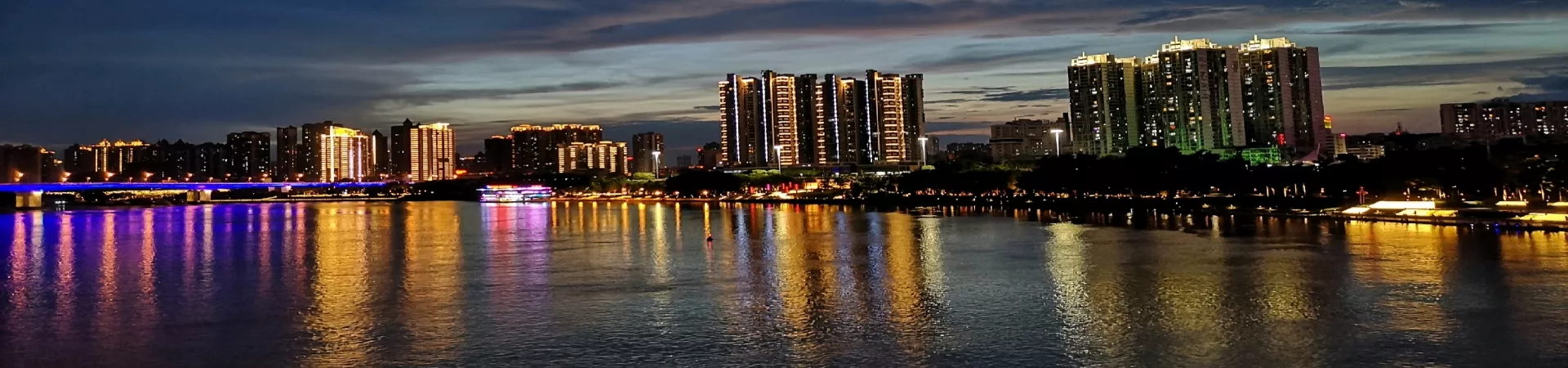
The Yong River: The Lifeline and Cultural Heart of Nanning
Flowing with vigor and purpose through the landscape of Guangxi, the Yong River is far more than a simple body of water. It is the indispensable lifeblood of Nanning, a dynamic artery of commerce, a silent architect of the city's verdant beauty, and the deep, flowing wellspring of its culture. Reverently known as the "Mother River" of Nanning, its story is inextricably woven into the fabric of the city's past, present, and future.
The Physical and Economic Backbone
From a purely practical standpoint, the Yong River's contributions to Nanning's development are foundational and multifaceted.
- A Bountiful Water Source: Primarily, it serves as the principal source of urban water for millions of residents and industries. Its reliable, ample flow has quenched the city's thirst for centuries, forming the basic precondition for settlement and growth.
- A Vital Transport Artery: The river's favorable hydrological conditions, with its main stream and tributaries, have created excellent navigable channels. Historically and continuing into the modern era, these waterways function as crucial transportation routes, facilitating the movement of goods and fostering trade. This aquatic network has been instrumental in connecting Nanning to broader regional economies, providing a steady current that has powered the city's commercial and industrial expansion.
- The Architect of Urban Greenery: Beyond sustenance and transport, the Yong River has played a heroic role in shaping the city's aesthetic and environmental character. Its waters have been pivotal in supporting and nourishing Nanning's renowned urban greenery. The lush parks, vibrant boulevards, and the overall "Green City" reputation owe a significant debt to the river's hydrating influence, transforming the urban landscape into a more livable and beautiful space.
The Cultural Wellspring
To label the Yong River merely an economic asset would be a profound oversight. Its true significance runs deeper, carving the cultural and spiritual identity of Nanning itself.
It is unanimously recognized as the cultural源头 (source) of the city. For generations, the river has witnessed the daily rhythms of life, inspired local art and folklore, and provided a scenic backdrop for community and reflection. The traditions, customs, and collective memory of Nanning's people are intimately linked to its banks. It represents continuity, heritage, and the gentle, persistent force that has nurtured the city's soul alongside its body.
Practical Information for Visitors
Experiencing the Yong River is a must for any visitor to Nanning, offering both scenic beauty and a tangible connection to the city's heart. Here is what you need to know for your visit.
Getting There
- A convenient public bus option is to take Bus No. 34 and alight at the Jiangbei Bianyang Lukou Station (江北边阳路口站). From there, the riverfront is easily accessible.
Visiting Details
- Admission Fees: There is typically no charge to access the public parks and walkways along the river. For any specific river cruise services or attractions within the riverside area, it is advisable to check the latest details directly with relevant operators or the local tourism information center.
- Opening Hours: The riverside areas, including parks and promenades, are open 24 hours a day, every day of the year. This allows for visits at any time, whether for a morning stroll, an afternoon of relaxation, or to see the city lights reflected on the water at night.
- Suggested Duration: A visit can be tailored to your interests. A leisurely walk along a section of the bank, taking in the views and the atmosphere, can be comfortably enjoyed in under an hour. However, many visitors choose to spend longer, perhaps enjoying a boat tour, having a picnic in a riverside park, or simply finding a bench to watch daily life unfold along this vital waterway.
The Yong River, therefore, presents itself not as a single-faceted attraction but as the living core of Nanning. It is a place where the pragmatic and the poetic converge, where the city's bustling energy meets moments of serene contemplation, inviting all to understand Nanning by tracing the course of its beloved Mother River.