Sanli Yangdu Scenic Area
Subtitle: A Journey Through the "Little Guilin" of Guangxi: Sanli Yangdu Scenic Area
Introduction: A Hidden Gem in Southern China Nestled in the southeastern part of Shanglin County, Guangxi Zhuang Autonomous Region, approximately 12 kilometers from the county seat, lies the Sanli Yangdu Scenic Area. This expansive region encompasses most of Sanli Town, Yangdu Village in Chengtai Township, surrounding villages, and bordering townships. Often overshadowed by its more famous neighbor, Guilin, Sanli Yangdu earns its poetic nickname, "Little Guilin," through a breathtaking synthesis of serene river landscapes, dramatic karst formations, rich historical tapestry, and vibrant seasonal flora. It offers a more intimate and tranquil alternative for travelers seeking the quintessential South China landscape without the crowds.
The Heart of the Experience: Shanglin Xiake Ancient Ferry 2.1. The Core of Scenic Splendor The undisputed core and most精华 (essence) of the Sanli Yangdu area is the Shanglin Xiake Ancient Ferry scenic spot. This site is named in honor of the legendary Chinese travel writer and geographer, Xu Xiake, who visited and documented this region in the 17th century during his extensive travels. The ferry represents the historical and scenic gateway to the area's most stunning vistas.
2.2. The Ideal Exploration: A Leisurely Boat Journey The absolute best way to immerse oneself in the beauty of Sanli Yangdu is by taking a leisurely boat trip along the clear, winding river. As the boat glides through the calm waters, visitors are treated to a constantly unfolding panorama. The gentle breeze provides a refreshing counterpoint to the warm subtropical sun. The journey offers spectacular views of iconic limestone peaks such as the Lovers' Hill (Qinglv Shan) and the Goddess Peak (Shennü Feng), whose shapes stir the imagination. Closer to the banks, landmarks like the intertwined Husband-and-Wife Trees (Fuqi Shu) and the auspiciously named Longevity Bridge (Fushou Qiao) add points of charming interest. The serene beauty, with verdant peaks reflected in the jade-green water, is often compared to the famous scenery of Yangshuo's Yulong River, creating a profound sense of peace and connection with nature.
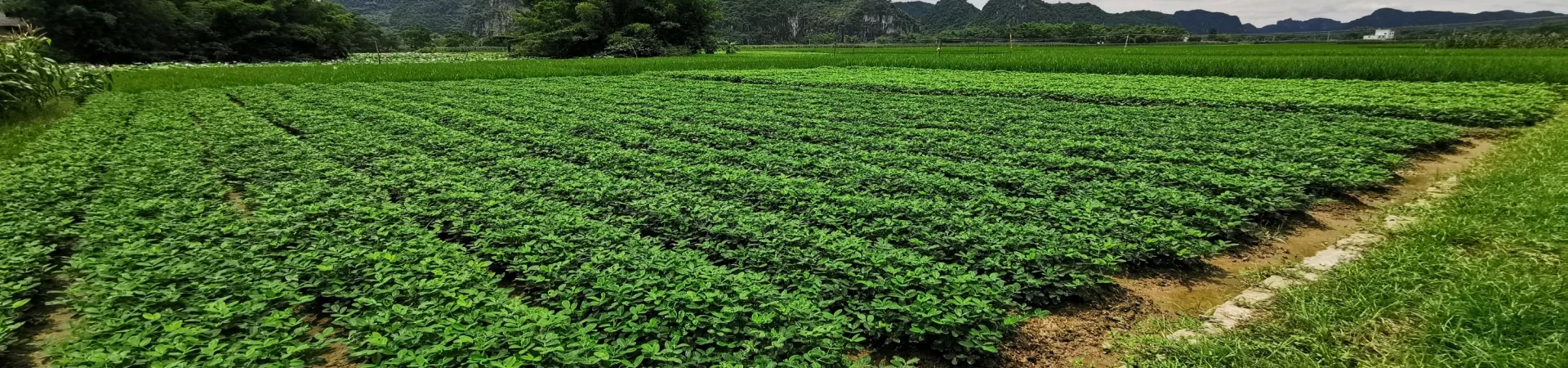
A Landscape of Cultural and Natural Heritage 3.1. Karst Topography: The "Little Guilin" Foundation The scenic area's primary allure is its stunning karst landscape. Countless limestone hills, or karst towers, rise abruptly from the flat river plains and fields, creating a scene of majestic and whimsical beauty. These hills, covered in lush greenery, take on myriad forms—some like crouching animals, others like sharp swords or rounded domes—presenting a "thousand poses and appearances" that fully justify the "Little Guilin" moniker. The interplay of light and shadow on these peaks at different times of day paints a living, breathing Chinese ink wash painting.
3.2. Historical Footprints: Inscriptions and Ancient Sites Beyond the natural scenery, the riverbanks hold significant cultural treasures. Most notably, the area boasts nationally famous Tang Dynasty stone tablets (Tang Bei). These ancient inscriptions are invaluable historical records, providing insight into the region's administration, culture, and society over a millennium ago. Nearby, sites like the ruins of the Zhicheng Temple (Zhicheng Damiao) complex whisper stories of past spiritual and communal life. These cultural relics add a profound layer of depth to the scenic journey, connecting visitors to the long and rich human history intertwined with this beautiful landscape.
The Rhythms of Nature: Seasonal Transformations 4.1. Winter's Golden Glory: A Sea of Sunflowers One of the most spectacular seasonal events occurs in December, during the Southern Chinese winter. Vast tracts of land within the scenic area transform into a dazzling, vibrant ocean of sunflowers. The golden blooms, stretching towards the sun against the backdrop of the timeless green karst hills and blue sky, create a contrast that is both joyful and awe-inspiring. This spectacle has become a major draw for photographers and nature lovers.
4.2. Spring's Soft Palette: Expanses of Rapeseed Flowers As winter fades, spring brings its own unique charm. From February to March, the fields erupt in a soft, brilliant yellow of rapeseed flowers (youcaihua). The blooming carpets stretch to the foot of the limestone mountains, their bright color softening the dramatic contours of the karst. This harmonious blend of human cultivation and natural sculpture forms a picture-perfect, painterly scene ideal for outdoor photography, leisurely walks, and simply soaking in the rejuvenating atmosphere of spring.
Practical Information for Visitors * Suggested Duration: A visit typically requires 1 to 3 hours. This allows sufficient time for a comprehensive boat tour and some exploration of the riverbank sites. Visitors captivated by photography or seeking a slower pace may wish to allocate more time. * Admission Fee: Access to the Sanli Yangdu Scenic Area is free of charge. However, please note that separate fees apply for specific activities within the area, most notably the boat ride at the Shanglin Xiake Ancient Ferry, which is the primary way to experience the core scenery. * Operating Hours: The general operational hours for the scenic area and its main access points are from 08:30 to 17:30, seven days a week, throughout the year. It is always advisable to confirm the latest boat schedule, especially for the final departure times, before your visit.