Guangxi Museum of Nationalities
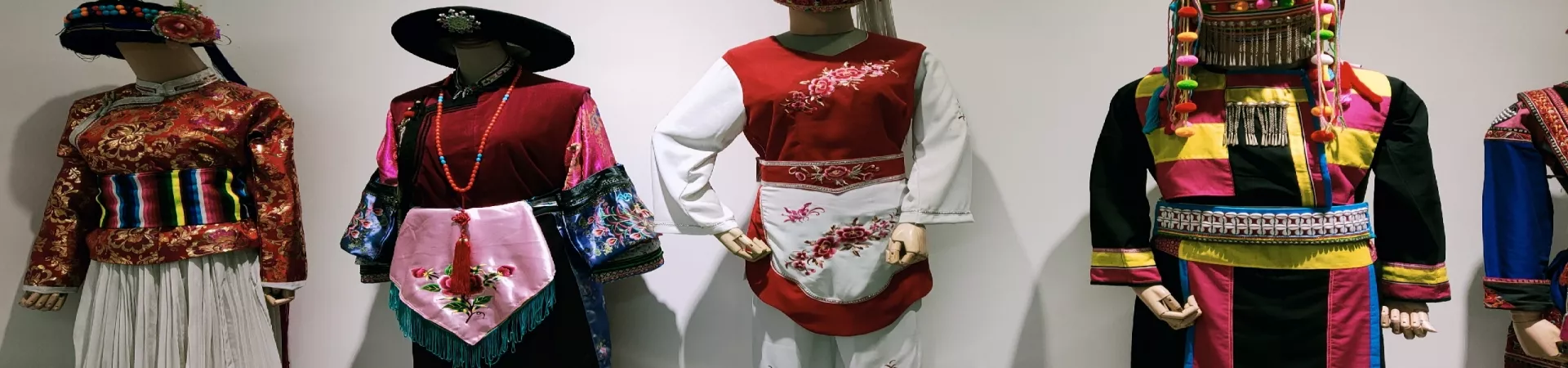
Subtitle: A Journey Through the Cultures of Guangxi and Beyond
1. Introduction: A Cultural Beacon in Nanning Established as the largest cultural infrastructure project in Guangxi Zhuang Autonomous Region since the founding of the People's Republic of China, the Guangxi Nationalities Museum stands as a monumental institution dedicated to preserving and celebrating ethnic heritage. As a provincial-level, state-owned, non-profit, and specialized museum, its core mission revolves around the collection, research, and exhibition of the traditional cultures of Guangxi's approximately twelve indigenous ethnic groups. Furthermore, its scope extends to encompass the study, preservation, and presentation of cultural artifacts from ethnic communities in neighboring Chinese provinces and across Southeast Asia, positioning itself as a vital hub for anthropological and cultural research in the region.
2. Architectural Symbolism and Museum Layout 2.1. An Iconic Silhouette The museum's architecture is immediately striking and deeply symbolic. Its main building is ingeniously designed in the shape of a giant bronze drum, one of the most iconic and ancient cultural artifacts of the Zhuang people and other ethnic groups in Guangxi. This architectural choice is not merely aesthetic; it serves as a powerful, tangible symbol of the region's rich history and the central theme of the museum itself, welcoming visitors into a space that is itself a monumental exhibit.
2.2. Navigating the Galleries Inside, the museum's spacious and modern galleries are thoughtfully organized to guide visitors on a comprehensive journey. The layout typically flows from broader thematic introductions to deeper dives into specific ethnic cultures, often culminating in special exhibitions and interactive spaces.
3. Core Exhibitions and Cultural Treasures 3.1. The Resounding Legacy of Bronze Drums A visit invariably begins with an exploration of the museum's world-class bronze drum collection. This section is dedicated to tracing the evolution, craftsmanship, and profound socio-cultural significance of these instruments across millennia. Visitors can witness an astonishing array of drums, from ancient, simple designs to elaborate, intricately patterned later models, understanding their roles in rituals, communications, and as symbols of power and prestige.
3.2. A Tapestry of Ethnic Traditions: Zhuang, Yao, Dong, and Maonan The heart of the museum lies in its detailed exhibitions on Guangxi's indigenous peoples. * The Zhuang People: As the largest ethnic minority in China, the Zhuang culture is presented through vibrant textiles like the famous brocade, distinctive architectural models of stilted houses, and exhibits on their festivals, such as the Song Festival. * The Yao People: The focus here often highlights the exquisite and colorful traditional embroidery and silver adornments of the Yao, particularly the striking headdresses of the various Yao subgroups, alongside their unique customs and religious practices. * The Dong People: The Dong's architectural genius is showcased through models and explanations of their iconic wind-and-rain bridges and drum towers. Exhibits also delve into their polyphonic choir music, a UNESCO Intangible Cultural Heritage. * The Maonan People: As one of the smaller ethnic groups, the museum provides valuable insight into Maonan traditions, including their distinctive woven hats, bamboo-based craftsmanship, and agricultural practices.
3.3. Immersive Experiences and Living Culture Beyond static displays, the museum excels in creating immersive environments. Full-scale reconstructions of traditional dwellings, ceremonial spaces, and village scenes allow visitors to step into the daily life of these communities. Perhaps one of the most enchanting experiences is the opportunity to listen to the beautiful folk songs of the Zhuang and other ethnic groups, with audio stations or occasional live performances bringing the region's oral traditions to life.
4. Practical Visitor Information 4.1. Admission and Operating Hours Admission to the Guangxi Nationalities Museum is free of charge for all visitors, aligning with its public, educational mission. The standard opening hours are from 9:30 AM to 5:00 PM, Tuesday through Sunday, with last admission at 4:15 PM. The museum is typically closed on Mondays for maintenance, except for specific public holiday periods. It is always advisable to confirm the latest schedule before planning your visit, as hours may adjust during national holidays (e.g., December 31st to January 2nd).
4.2. Location and Transportation The museum is located in Nanning, the capital of Guangxi. The most straightforward public transportation option is to take public bus route 69 and alight at the "Guangxi Minzu Bowuguan" (Guangxi Nationalities Museum) bus stop. From there, the museum entrance is within short walking distance.
4.3. Planning Your Visit A thorough exploration of the museum's extensive collections and exhibitions generally requires approximately 1 to 3 hours. Visitors are encouraged to allocate sufficient time to engage with the detailed exhibits, multimedia presentations, and interactive displays. For inquiries, the museum can be contacted via telephone at 0771-2024599 or 0771-2024322.