Zhongshan Mountain Mational Park
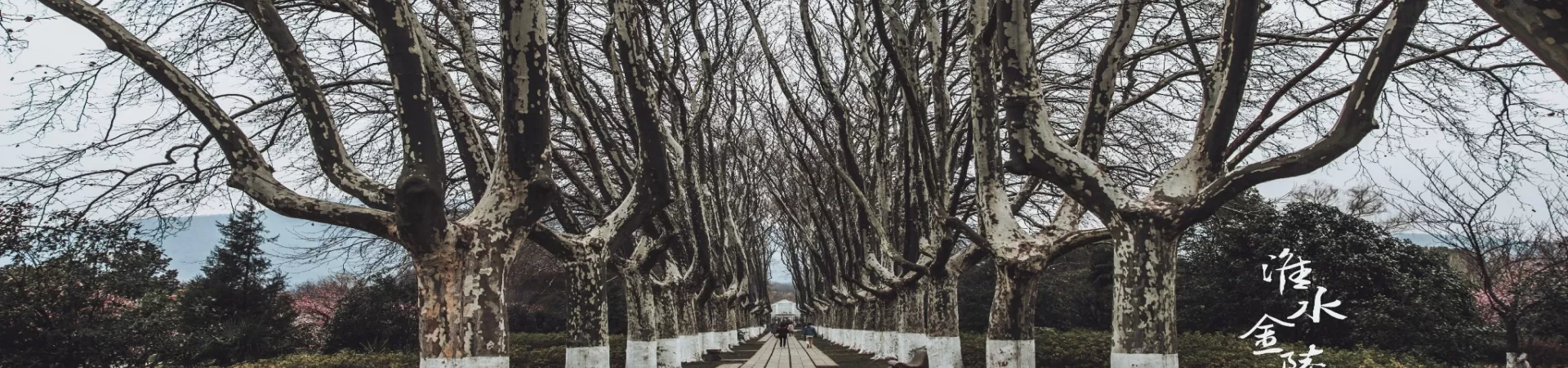
Subtitle: A Comprehensive Guide to Nanjing's Purple Mountain: History, Culture, and Practical Travel Tips
Introduction Nestled on the eastern outskirts of Nanjing, the Zhongshan Mountain Scenic Area, more affectionately known to locals as Purple Mountain (Zijin Shan), stands as a monumental green lung and cultural heart of the city. Contrary to what its "eastern suburb" moniker might suggest, it is remarkably accessible from the downtown core. This vast area is renowned for its undulating ridges, poetically compared to a slumbering dragon, and its masterful integration of natural and human elements. Here, majestic mountains, serene waters (notably the adjacent Xuanwu Lake), the ancient city walls, and lush forests coalesce into a breathtaking panorama. More impressively, the mountain serves as a living chronicle of Nanjing's past, bearing silent witness to and preserving layers of history from the Six Dynasties, the Ming Dynasty, the Republic of China era, and profound Buddhist traditions, all condensed within its verdant slopes.
1. Core Attractions and Sub-Areas The scenic area is systematically divided into several major sections, each with its own distinct character and highlights, revolving around the central peaks of Zhongshan Mountain and the waters of Xuanwu Lake.
1.1. The Ming Xiaoling Mausoleum Sub-Area This section is anchored by the UNESCO World Heritage Site of the Ming Xiaoling Mausoleum, the tomb of the Hongwu Emperor, founder of the Ming Dynasty. The approach via the Sacred Way, lined with majestic stone statues of animals and officials, is a monumental prelude to the grandeur of imperial Chinese tomb architecture. The site exemplifies the harmonious philosophical concept of integrating architecture with nature, a principle highly valued during the Ming period.
1.2. The Sun Yat-sen Mausoleum Sub-Area Dedicated to Dr. Sun Yat-sen, the founding father of modern China, this is arguably the area's most iconic landmark. The mausoleum's stark, blue-roofed white marble structure ascends a grand staircase against the mountainside, symbolizing Sun Yat-sen's lofty ideals. The atmosphere here is one of reverence and historical significance, offering not only a place for reflection but also panoramic views of the surrounding landscape.
1.3. The Linggu Temple Sub-Area Offering a spiritual counterpoint to the political and imperial histories, the Linggu Temple area is a sanctuary of Buddhist culture. The area is famed for the Beamless Hall (Wuliang Dian), an entirely brick-vaulted Ming-era structure built without a single wooden beam, and the elegant Linggu Pagoda. It provides a tranquil environment for visitors interested in religious history and classical architecture.
1.4. The Toutuo Ling (Peak) Sub-Area For nature enthusiasts and those seeking active pursuits, the Toutuo Ling area provides access to the highest peak of Purple Mountain. Visitors can hike or take a cable car to the summit, where they are rewarded with spectacular, sweeping vistas of Nanjing city and the Yangtze River. This area highlights the scenic area's role as a premier natural retreat.
2. Essential Visitor Information: Tickets, Fees, and Reservations Navigating the ticketing policy is crucial for a smooth visit. It is important to understand that while the Zhongshan Mountain Scenic Area itself is free to enter, many of the individual cultural attractions within its boundaries charge separate admission fees.
- Key Example: The Sun Yat-sen Mausoleum, while having no entrance fee, mandatorily requires all visitors to book a free timed-entry reservation in advance, typically through official online platforms or WeChat channels. Walk-up access is usually not permitted.
- Other Sites: Attractions like the Ming Xiaoling Mausoleum, the Linggu Temple complex, and the cable car to Toutuo Ling generally require purchased tickets.
- Important Note: All ticket prices, opening hours for specific sites, and reservation procedures are subject to change. It is highly recommended that visitors verify the latest information directly with the official scenic area management before their trip.
3. Planning Your Visit: Duration, Transport, and Connectivity
3.1. Suggested Duration Given the vast size and wealth of attractions, allocating a minimum of 3 to 4 hours is advisable for a basic tour covering one or two major sites. To thoroughly explore the Ming Xiaoling Mausoleum, Sun Yat-sen Mausoleum, and Linggu Temple at a comfortable pace, a full day is highly recommended.
3.2. Internal Transportation Options The scale of the area makes internal transportation very useful. * Tourist Shuttle Train: A convenient shuttle train connects major hubs like the Sun Yat-sen Mausoleum and the Ming Xiaoling Mausoleum area. This service is often free for holders of a valid scenic area pass or combined attraction ticket. * Electric Cart Rentals: For smaller groups or families, 8-10 seater electric carts with driver-guides are available for hire. These offer flexible, point-to-point access to various spots within the core sub-areas, complete with basic commentary.
4. Practical Details and Contact Information
4.1. Operating Hours The Zhongshan Mountain Scenic Area is open to the public 24 hours a day, every day of the year. However, the opening hours for the individual paid attractions (e.g., mausoleums, temples) and internal transport services operate on their own, more limited schedules, typically from early morning until late afternoon.
4.2. Contact Information For the most current inquiries regarding reservations, special events, or accessibility, visitors can contact the scenic area administration using the following numbers: * Primary Contact: 025-84437786 * Secondary Contact: 025-84433582