East Zhonghua Gate Historical Culture Block
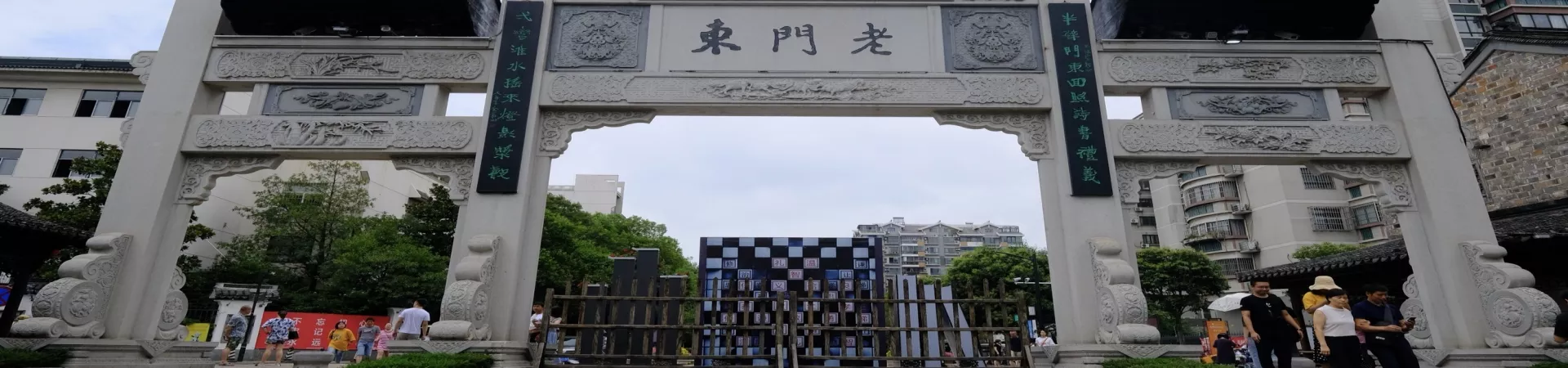
Subheading: A Journey Through Nanjing's Historic Heart: The Laomendong Cultural District
1. Introduction: The Soul of Old Nanjing
Nestled within the bustling modern metropolis of Nanjing, the Laomendong Historic Block offers a serene and captivating portal into the city's rich past. Its name, translating to "Old East Gate," originates from its geographical location east of the southern gate (Zhonghua Gate) of the ancient Nanjing city wall, standing in historical counterpart to the Laomenxi area. Today, it forms an integral and distinctive part of the larger Confucius Temple (Fuzimiao) and Qinhuai River Scenic Belt, presenting a more residential and authentically restored experience compared to its famous neighbor. For any visitor seeking to understand the layers of Nanjing's history, from its days as a southern capital to its vibrant contemporary culture, Laomendong is an essential destination, promising an immersive stroll through time where every brick and cobblestone seems to whisper stories of bygone eras.
2. A Tapestry of History and Culture
2.1. The Historical Legacy Laomendong's significance is deeply rooted in its history as a premier residential quarter. During the Ming and Qing dynasties, this area was the coveted address for wealthy merchants, influential scholars, and powerful aristocratic families. It represented the pinnacle of Jiangnan (south of the Yangtze River) culture—a hub of commerce, intellectual pursuit, and refined living. The district was a microcosm of old Nanjing's social fabric, where grand courtyard homes, known as "heyuan," stood as testaments to prosperity and taste. This legacy as a gathering place for the elite infused the area with an architectural and cultural richness that modern restoration efforts strive to honor and preserve.
2.2. Cultural Rejuvenation: "One Academy, Two Museums" A cornerstone of Laomendong's revitalization is the ingenious repurposing of historical industrial spaces into vibrant cultural institutions. This visionary approach is best exemplified by the "One Academy, Two Museums" complex: * The Nanjing Academy of Calligraphy and Painting: Housed within a renovated old factory structure, this academy serves as a living center for the creation and exhibition of traditional Chinese ink art, bridging the district's artistic past with its present. * The Jinling Art Museum: As a key part of this complex, this museum provides a contemporary platform for visual arts, hosting rotating exhibitions that often dialogue with local history and themes, ensuring the district remains a dynamic cultural space. * The Old Southern City Memory Museum: This museum is dedicated to preserving and presenting the intangible heritage and daily life memories of Nanjing's historic southern city districts, offering visitors profound insights into the local customs, trades, and lifestyles that defined the area for centuries.
3. The Laomendong Experience
3.1. Architectural Ambiance and Streetscape Wandering through Laomendong is an aesthetic delight. The district masterfully blends meticulously restored Ming and Qing dynasty-style architecture with the elegant, minimalist lines of Republican-era buildings. Narrow lanes, such as the main thoroughfare箍桶巷 (Gutong Xiang), are paved with stone, flanked by whitewashed walls, grey-tiled roofs, and dark wooden lattices. Intricate doorways lead into hidden courtyards, some of which are now tranquil cafes or boutique shops. This careful preservation and harmonious design create a consistently enchanting atmosphere that feels both authentically ancient and thoughtfully curated.
3.2. Commerce, Craft, and Culinary Delights Beyond its museums, Laomendong thrives as a living cultural and commercial district. It successfully avoids feeling like a mere museum piece by integrating a diverse array of establishments: * Traditional Crafts and Studios: Artisans and designers have set up workshops here, where visitors can observe or participate in crafts like paper-cutting, clay figurine sculpting, and bamboo weaving. * Time-Honored Brands and Boutiques: Several century-old shops ("laozihao") have established outlets, selling local specialties such as Nanjing salted duck, sweet pastries, and traditional sweets. These sit alongside modern boutiques offering handicrafts, teas, and bespoke souvenirs. * Dining and Leisure: The area is a gastronomic haven, featuring everything from quaint tea houses where one can savor a pot of Biluochun tea to restaurants serving authentic Jiangnan cuisine. Charming bookstores, quiet bars, and cultural entertainment venues are scattered throughout, catering to relaxation after a day of exploration.
4. Practical Visitor Information
4.1. Location and Transportation Laomendong is situated in the Qinhuai District of Nanjing, adjacent to the Confucius Temple area. It is easily accessible by public bus: * Take bus 14 or 46 and alight at Gutong Xiang Station, then walk approximately 375 meters. * Take bus 23, 33, 43, 63, 81, or 301 and alight at Pipa Xiang Station, then walk approximately 546 meters. * Take bus 701 or 706 and alight at Junshi Xiang Station, then walk approximately 384 meters. The district is also a short taxi ride from major city centers and metro stations (such as Fuzimiao Station on Line 3), with clear signage guiding visitors to its entrance.
4.2. Admission and Opening Hours One of Laomendong's greatest attractions is its accessibility: Admission to the historic district itself is completely free. Visitors can wander the lanes, admire the architecture, and soak in the atmosphere at no cost. Individual venues within the district, such as the Jinling Art Museum, may have their own specific exhibition policies but are generally free or low-cost. The outdoor district and its main lanes are open to the public 24 hours a day, every day of the year. Operating hours for specific shops, restaurants, and the indoor museums (typically around 9:00 AM to 5:00 PM, closed on Mondays) should be checked in advance.
4.3. Suggested Duration and Tips A comprehensive visit to Laomendong typically requires 1 to 3 hours. This allows sufficient time for a leisurely walk through the principal streets, exploration of the "One Academy, Two Museums" complex, browsing in shops, and enjoying a snack or drink. To fully appreciate its charm, consider visiting both during the day, when architectural details are clear and museums are open, and in the evening, when lanterns illuminate the lanes, creating a magically different ambiance. Wearing comfortable walking shoes is highly recommended due to the stone-paved paths.