Zhanyuan
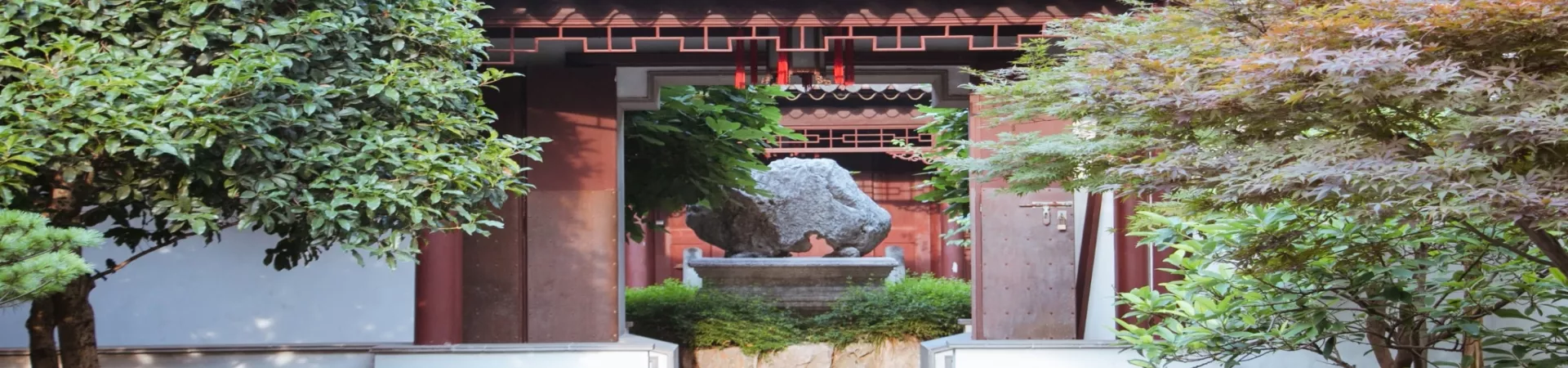
Subtitle: A Journey Through Time in Nanjing's Oldest Classical Garden
1. Introduction to Zhan Garden Nestled in the heart of Nanjing, Zhan Garden stands as a serene testament to the city's rich historical and cultural tapestry. Renowned as the oldest surviving classical garden in Nanjing, its origins trace back to the Ming Dynasty during the Jiajing reign period (1522-1566). Initially constructed as the private garden of a high-ranking official, it later served as the residence of Xu Da, a founding general of the Ming Dynasty, and subsequently underwent expansions and renovations, including significant work during the Qing Dynasty. Today, Zhan Garden is not merely a collection of plants and pavilions; it is a living museum that encapsulates the philosophical ideals, aesthetic principles, and architectural brilliance of Chinese garden design across centuries. It offers visitors a tranquil escape from the urban bustle and a profound journey through art, history, and nature, meticulously orchestrated within its walls.
2. Architectural and Landscape Masterpieces The garden's layout is a masterpiece of classical Chinese design, perfectly balancing architectural grandeur with naturalistic beauty. It is traditionally divided into eastern and western sections, each with a distinct character.
2.1. The Eastern Section: Architectural Grandeur The eastern part of Zhan Garden is dominated by an impressive complex of well-preserved Ming and Qing dynasty buildings. These structures, with their elegant upturned eaves, intricate wooden carvings, and traditional grey-tiled roofs, showcase the sophistication of ancient Chinese palatial architecture. Halls, studies, and residential quarters are arranged around courtyards, creating a sequence of spaces that reveal themselves gradually to the visitor. Among these historic buildings, one of the most treasured artifacts is the "Tiger Character Stele" (虎字碑), a powerful calligraphic work revered as a protective talisman for the mansion.
2.2. The Western Section: A Landscape Painting Come to Life In contrast, the western section is a quintessential Chinese landscape garden, where the artistry lies in the harmonious imitation of nature. This area is most famous for its artificial hills and water features.
2.2.1. The Artificial Hills and Rockeries The garden's artificial mountains, constructed from weathered Taihu rocks sourced from Lake Tai in Jiangsu province, are considered among the finest in southern China. These rocks, prized for their slender shapes, intricate perforations, and textured surfaces, were carefully selected and arranged during the Song Dynasty. The main rockery is a dramatic, steep, and labyrinthine structure, offering winding paths, hidden grottoes, and surprising vantage points. It embodies the Chinese garden principle of creating "a world within a pot," compressing the essence of majestic natural landscapes into a contemplative space.
2.2.2. Pavilions, Towers, and Waterside Retreats Interspersed among the rockeries and overlooking serene ponds are numerous pavilions, towers, and terraces. Structures like the "Mandarin Duck Hall" and various waterside kiosks are strategically placed to frame picturesque views, provide restful spots for reflection, and allow visitors to appreciate the garden from different perspectives. The tranquil ponds, crossed by elegant stone bridges, reflect the surrounding architecture and foliage, doubling the beauty and creating a sense of boundless space.
2.3. Unique Historical Artifacts Zhan Garden holds two particularly remarkable features. The first is the "Bronze Pavilion" (铜亭), an ingenious structure recognized as one of the world's earliest examples of an air-conditioned building. Its double-layer bronze walls were designed to circulate water, cooling the interior during Nanjing's hot summers. The second is the aforementioned "Tiger Character Stele," a monumental piece of calligraphy steeped in legend and believed to ward off evil, offering a glimpse into the spiritual life of the garden's historical inhabitants.
3. Essential Visitor Information To fully enjoy a visit to Zhan Garden, practical planning is key. The following details will help organize your trip.
3.1. Ticket Information * Day Ticket (Tuesday-Sunday): 30 RMB for adults. Concession tickets (for children, students with valid ID, and seniors) are available for 15 RMB. * Free Admission (with valid documentation): The policy includes seniors aged 70 and above, individuals with disabilities, retired veterans with certificates, active-duty military personnel, and firefighters. Children under 1.2 meters in height are also admitted free, except during special performance events when separate rules may apply. * Note: It is always advisable to verify the latest ticket prices and policies at the official ticketing office or website before your visit.
3.2. Opening Hours Zhan Garden offers both daytime and evening experiences. * Daytime Operation: 8:30 AM to 5:00 PM (last entry at 4:30 PM), Tuesday through Sunday. * Evening Operation (Night Garden): 5:00 PM to 9:00 PM (last entry at 8:30 PM), Tuesday through Sunday. * Weekly Closure: The garden is closed to the public every Monday for maintenance.
3.3. Suggested Duration and Best Time to Visit A thorough exploration of the garden's architecture, landscapes, and hidden details requires a minimum of 3 hours. To appreciate the interplay of light and shadow on the rocks and buildings, and to avoid the largest crowds, mornings on weekdays are highly recommended. The evening sessions offer a uniquely atmospheric experience with illuminated landscapes.
4. Transportation and Location Zhan Garden is conveniently located at 128 Zhan Yuan Road, within the Qinhuai District of Nanjing, easily accessible by public transport.
4.1. By Bus Multiple bus lines stop nearby. Alight at the "Zhonghualu · Zhanyuanlu" bus station. Serviced by routes 202, 2, 44, Y14, 26, and Y2, the garden is a short approximately 219-meter walk from this stop.
4.2. By Metro The Nanjing Metro is an efficient option. Take Line 1 and disembark at Sanshanjie Station. From Exit 3 or 4, it is a pleasant roughly 404-meter walk to the garden's entrance, taking you through a historic part of the city.
4.3. By Taxi or Ride-Hailing Taxis and ride-hailing services (like DiDi) are widely available in Nanjing. Simply provide the driver with the Chinese name "瞻园" or the address. The garden is a well-known landmark, so most drivers will be familiar with the destination.