Qinhuai River
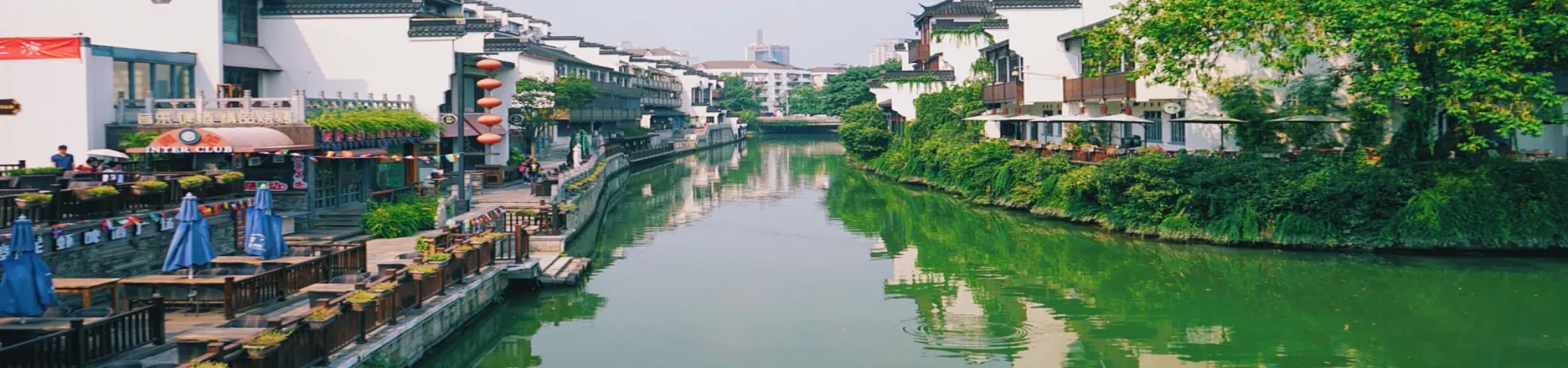
Subtitle: A Journey Through Nanjing's Historic Heart and Cultural Lifeline
1. Introduction: The Soul of Nanjing Flowing as a vital tributary of the lower Yangtze River, the Qinhuai River is more than just a waterway coursing through the heart of Nanjing; it is the undisputed mother river of the city. For centuries, it has been the lifeblood of Nanjing's development, culture, and identity, weaving a narrative that intertwines natural beauty with profound historical significance. Today, the river, especially its famed "Ten-Li Qinhuai" stretch, stands as one of Nanjing's most vibrant and essential destinations, offering visitors an immersive portal into the city's glorious past and dynamic present. A visit to Nanjing is simply incomplete without experiencing the allure of the Qinhuai.
2. The "Ten-Li Qinhuai": Nanjing's Historic Riverside Hub 2.1. The Center of Culture and Commerce The most celebrated section, known historically as the "Ten-Li Qinhuai," refers to the area along the river near Confucius Temple (Fuzimiao). This zone has been Nanjing's bustling epicenter of culture, entertainment, and commerce since the Six Dynasties period. It was the place where scholars, merchants, and artists gathered, where lantern-lit boats once carried tales of romance and intellectual discourse. Today, this legacy continues. The riverside is a harmonious blend of restored ancient architecture, traditional shops, bustling markets, quaint cafes, and vibrant cultural spaces, making it the city's premier area for sightseeing, shopping, and dining.
2.2. A Living Cultural Landscape Strolling along the paved walkways of the Qinhuai Riverside Scenic Belt, visitors are transported through layers of time. The elegant, white-walled and black-tiled Huizhou-style buildings, the iconic stone bridges arching over calm waters, and the lingering notes of traditional Pingtan (storytelling and song performance) from a nearby teahouse create an atmosphere of timeless charm. The area is a living museum, where every corner whispers stories of the Jiangnan (south of the Yangtze) culture's refinement.
3. Experiencing the Qinhuai River 3.1. The Essential Night Cruise The quintessential Qinhuai experience is undoubtedly a boat cruise, most magically undertaken after dusk. As daylight fades and countless lanterns—replicas of ancient styles—are lit along the banks and on boats, the river transforms into a glittering, dreamlike tableau. Gliding silently on the dark water, passengers enjoy unparalleled views of the illuminated historical buildings, bridges, and pavilions. This perspective from the river itself offers a serene and captivating glimpse into the romantic essence of old Nanjing, a stark and beautiful contrast to the daytime hustle.
3.2. Seasonal Festivals and Year-Round Vibrancy The Qinhuai River district is a stage for continuous cultural celebration, with festivities marking the turn of each season: * Spring: The area comes alive with traditional Cultural Temple Fairs, featuring folk performances, handicraft displays, and lively crowds. * Summer: The "Qinhuai Summer" events often include open-air concerts, literary gatherings, and various night markets, capitalizing on the warm evenings. * Autumn: This is a feast for the senses, highlighted by the Confucius Temple Food Festival. The air fills with aromas from countless stalls serving local Nanjing specialties and snacks from across China. * Winter: The highlight is the magnificent Jinling Lantern Festival, typically centered around the Chinese New Year. The entire area is adorned with spectacular, often massive, themed lantern displays, drawing visitors into a fantastical world of light and color.
4. Practical Visitor Information 4.1. Location and Transportation The main access point for the Qinhuai River scenic area is around the Confucius Temple (Fuzimiao). * By Metro: The most convenient option. Take Metro Line 3 and alight at Fuzimiao Station. The scenic area is a short walk from the exits. * By Bus: Multiple bus lines serve the area. Alight at stops such as Jiankang Road · Fuzimiao (served by buses like 1, 4, 40, 44, 202) and walk to the river.
4.2. Admission and Operations * Access to the Riverside: The walkways along the Qinhuai River are open to the public 24 hours a day, allowing for leisurely strolls at any time. * Boat Cruise Tickets: The famous night cruises operate on a separate ticketed basis. Fees apply, and it is advisable to check the latest prices and operating hours (which typically extend into the evening) at the official ticket piers. * Attractions Within the Area: Individual historical sites, museums, and gardens within the Qinhuai cultural zone (e.g., Confucius Temple, Jiangnan Examination Hall) may have their own separate opening hours and admission fees.
4.3. Suggested Duration and Tips A visit to the Qinhuai River area can be tailored to your interests. A minimum of 2-3 hours is recommended for a basic exploration of the riverside, a walk through the Confucius Temple market, and perhaps a short boat ride. To fully immerse in the atmosphere, enjoy a meal, visit a museum, and experience the night lights, allocating half a day or an entire evening is ideal. For a more relaxed pace or to attend a specific festival, even more time would be rewarding. It is always prudent to verify specific activity times and any seasonal changes to schedules before your visit.
Information last updated: 2023-08-31. Credit and thanks to contributors including 小怪兽嗷呜, fengyuyuezhang, and 曲小姐 for their input.