Nanjing University (Gulou Campus)
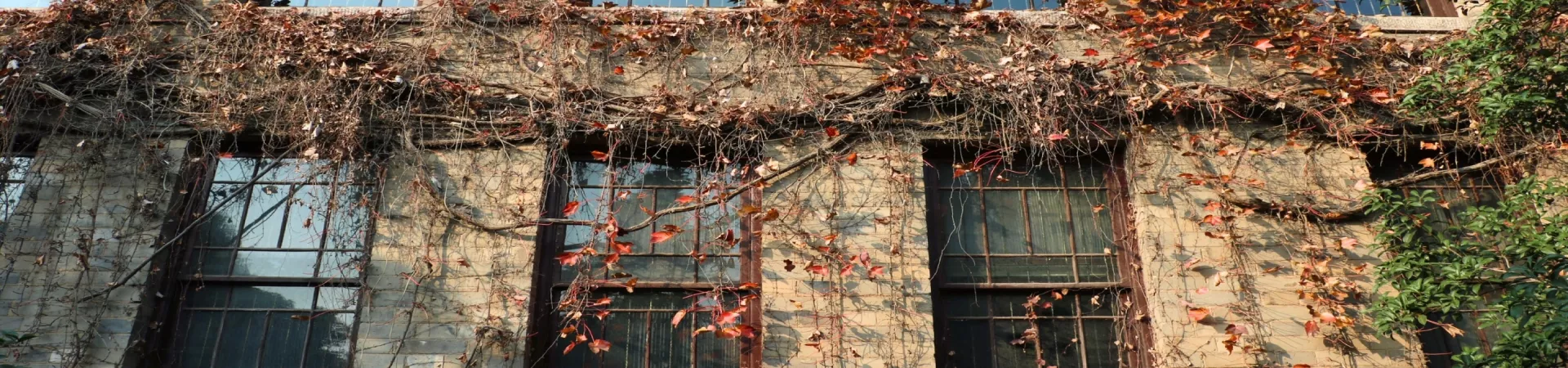
A Visitor's Guide to Nanjing University's Gulou Campus: Where History and Academia Converge
Nestled in the heart of Nanjing, the Gulou Campus of Nanjing University (NJU) is far more than an elite educational institution; it is a living museum, a serene architectural haven, and a pivotal chapter in China's modern history. For any visitor to the city, it offers a profound and tranquil escape from the urban bustle, inviting you to walk through centuries of scholarly tradition and monumental change.
A Legacy Carved in Time: From Ancient Taixue to Modern Pioneer
The university's lineage is awe-inspiring, tracing its origins back to the Imperial Nanjing Taixue established in 258 AD during the Wu Kingdom of the Three Kingdoms period. This deep-rooted scholarly heritage evolved through countless transformations over the millennia. The modern chapter began here, on the grounds of the Gulou Campus, which was the site of the University of Nanking and later, Jinling University. It is recognized as the cradle of China's first modern university, marking the pivotal shift from ancient academies to contemporary higher education. This historical weight is palpable in the very air of the campus, designated as a National Key Cultural Relics Protection Unit for its preservation of the former Jinling University site.
Navigating the Campus: North Garden vs. South Garden
The campus is intuitively divided into two primary zones: the North Garden and the South Garden. This separation creates a distinct rhythm to the visit. * The South Garden: This area functions as the vibrant student residential and life quarter. While less frequented by tourists, its energetic atmosphere provides a glimpse into the daily life of the university's students. * The North Garden: This is the intellectual and historical core of the campus, housing the main teaching and research facilities. It is the primary area for exploration.
Architectural Splendor in the North Garden: The Jinling Yuan Complex
The undisputed highlight of the North Garden is the Jinling Yuan sector. Here, visitors are transported to an era of elegant Sino-Western fusion. The buildings, constructed primarily in the early 20th century, are magnificent examples of traditional Chinese architectural style reinterpreted with modern university needs in mind. Featuring sweeping grey-tiled roofs, intricate dougong brackets, ornate carvings, and serene courtyards, these structures are beautifully preserved. They stand as silent testaments to a period of cultural integration and architectural ambition, offering countless opportunities for photography and quiet contemplation amidst their dignified presence.
Historical Residences: Stories in Brick and Mortar
Scattered across the campus, particularly around the North Garden, are several historically significant residences that add layers of personal narrative to the broad historical sweep. * Dr. Sun Yat-sen's Residence: Perhaps the most significant of all, this unassuming house served as the official residence for Dr. Sun Yat-sen during his tenure as the Provisional President of the Republic of China in 1912. It was from here that he navigated the tumultuous early days of the republic. * Pearl S. Buck's Former Home: The Nobel and Pulitzer Prize-winning author spent a significant part of her youth and early married life here while her father and later her husband taught at the university. The environment deeply influenced her literary vision. * He Yingqin's Former Residence: This house is associated with the high-ranking military figure He Yingqin, offering a connection to the complex military history of the Republican era.
Essential Visitor Information
- Getting There: The campus is highly accessible via public transport. Multiple bus lines, including 11, 20, and 552, stop at the "Gulou Park" station. From there, the main gates are within a short and pleasant walk.
- Admission: Access to the campus grounds is completely free of charge, making it an invaluable addition to any Nanjing itinerary.
- Opening Hours: The campus is open to visitors 24 hours a day. However, the interiors of academic buildings, libraries, and the historical residences are generally not open to the public or have specific, limited visiting hours. The beauty of the architecture and grounds can be appreciated at any time.
- Suggested Duration: Plan to spend between 1 to 3 hours exploring the campus at a leisurely pace. This allows sufficient time to admire the Jinling Yuan architecture, seek out the historical residences, and enjoy the peaceful, scholarly atmosphere of the gardens and walkways.
Information last updated: August 3, 2023. Credits and thanks to contributors from the travel community.