NanJing Museum
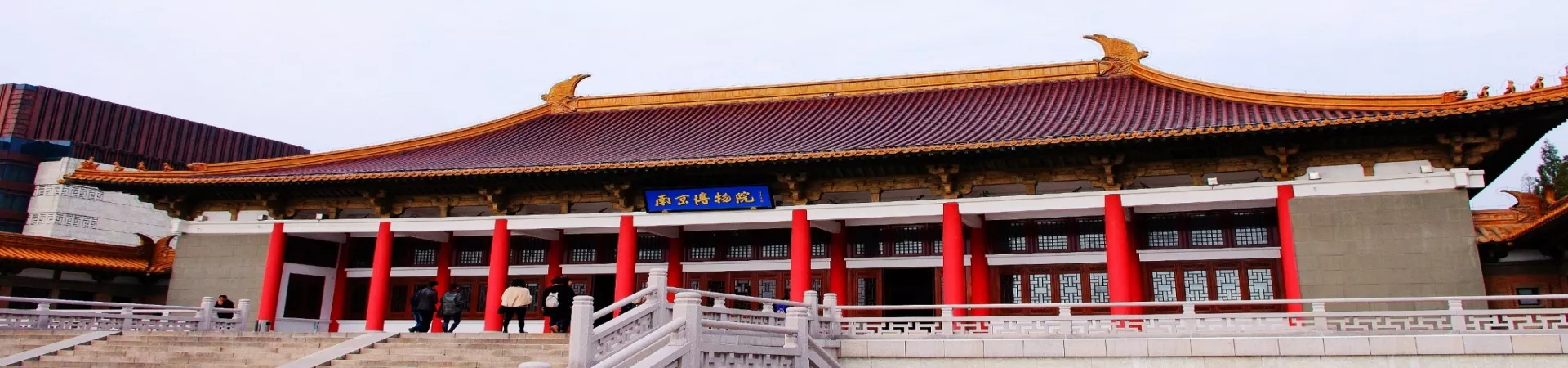
Subtitle: A Comprehensive Guide to Nanjing Museum, One of China's Premier Cultural Institutions
1. Introduction and Historical Significance Nanjing Museum stands as a pillar of Chinese cultural heritage, renowned as one of the three great museums in China and distinguished as the nation's earliest established museum. Its foundational role in the preservation and study of China's historical narrative cannot be overstated. Located near the majestic Zhongshan Gate in Nanjing, the museum is not merely a repository of artifacts but a dynamic institution dedicated to historical excavation, academic research, and public education. Its architecture and expansive grounds themselves whisper tales of the past, setting the stage for a profound journey through millennia.
2. Architectural Layout and Pavilion Overview The museum's vast complex is intelligently divided into several specialized pavilions, each offering a unique thematic perspective:
2.1. History Gallery This gallery forms the core narrative, chronologically guiding visitors through the rich tapestry of Chinese civilization, with a particular emphasis on the Jiangnan region and Nanjing's pivotal role as a historical capital. Exhibits span from prehistoric times through successive dynasties.
2.2. Art Gallery Here, the focus shifts to aesthetic mastery. The gallery showcases exquisite Chinese traditional arts, including classical paintings, calligraphy, ceramics, and jade carvings, highlighting the philosophical and artistic achievements of different eras.
2.3. Special Exhibition Hall Dedicated to rotating and temporary exhibits, this hall hosts high-profile displays on specific themes, archaeological discoveries, or cultural exchanges, ensuring there is always something new for returning visitors.
2.4. Digital Museum A fusion of technology and history, this innovative space employs interactive installations, virtual reality, and digital reconstructions to bring ancient scenes and artifacts to life, offering an engaging experience particularly appealing to younger audiences.
2.5. Republic of China Street A uniquely immersive exhibit, this is a full-scale recreation of a typical Nanjing street from the Republican era (early 20th century). Visitors can walk among period-style shops, postal offices, and theaters, experiencing the ambiance of a bygone epoch.
2.6. Intangible Cultural Heritage Hall This pavilion is dedicated to living traditions. It features demonstrations and displays of traditional crafts, folk arts, music, and performances, preserving the skills and customs recognized as part of China's intangible cultural heritage.
3. Highlights of the Collection With a staggering collection exceeding 420,000 items, the museum safeguards a treasury of national relics. The artifacts range from archaeological finds and imperial accouterments to delicate artworks and everyday objects from various dynasties.
3.1. The Glazed Porcelain Archway of the Great Bao'en Temple Pagoda Among its most celebrated treasures is the magnificent Glazed Porcelain Archway from the legendary Great Bao'en Temple Pagoda, often hailed as a medieval world wonder. This intricately designed, polychrome glazed archway, famously featured in the national TV program "National Treasure," is a breathtaking survivor of the historic pagoda and a masterpiece of Ming Dynasty ceramic art.
3.2. Other Notable Artifacts Beyond this star item, the museum's holdings include a superb collection of Ming and Qing porcelain, ancient bronzes, gold and silver ware, precious jades from the Liangzhu culture, and significant historical documents. Each piece contributes to the profound scholarly and historical value of the institution.
4. Practical Visitor Information
4.1. Admission Policy Nanjing Museum operates on a free admission policy. Visitors can obtain an entry ticket by presenting a valid original identification document (such as a passport, Chinese ID card, household register, student card, or health insurance card) at the ticket office. Alternatively, to guarantee entry and avoid potential queues, it is highly recommended to reserve a free timed-entry ticket in advance through the museum's official website, which must be exchanged for a physical ticket on arrival.
4.2. Opening Hours * Open: Tuesday to Sunday, 09:00 - 17:00. * Last Admission: 16:00. * Closed: Every Monday (all day), and on Chinese New Year's Eve and the first day of the Lunar New Year. * Note: The museum may have special arrangements during public holidays; checking the official website for the latest announcements before your visit is advisable.
4.3. Suggested Duration A thorough exploration of the main galleries requires a minimum of 2 to 3 hours. Visitors with deep interest in history or art, or those who wish to experience all pavilions including the digital and Republic of China sections, should allocate half a day or more.
4.4. Transportation Guide * By Metro: The most convenient option. Take Metro Line 2 and alight at Minggugong Station. Use Exit 1 and walk approximately 300 meters east to reach the museum. * By Bus: Several bus lines stop near the museum. You can take bus numbers 34, 36, 55, 59, 5, or the 5 Night Line and get off at Zhongshanmen Station. The museum is a short walk from the bus stop.
4.5. Contact Information For general inquiries, you can contact the museum at: +86 25 8480 7923.