Fuzimiao (Confucius Temple) Qinhuai Scenic area
Subtitle: A Journey Through Time: Exploring Nanjing's Confucius Temple and Qinhuai River Scenic Belt
1. Introduction: The Heart of Nanjing's Cultural Heritage Nestled in the bustling urban landscape of Nanjing, the Confucius Temple-Qinhuai River Scenic Belt stands as a living testament to the city's profound historical and cultural legacy. Designated as a National AAAAA Tourist Attraction, the area masterfully integrates natural scenery, classical gardens, ancient temple complexes, traditional residential architecture, and vibrant local customs into a single, immersive experience. It serves not merely as a tourist destination but as the cultural and historical soul of Nanjing, where the past seamlessly intertwines with the present. The scenic belt is strategically organized around two central axes: the architectural grandeur of the Confucius Temple complex and the meandering flow of the Inner Qinhuai River, stretching approximately five kilometers from the Dongshuiguan Park in the east to the Xishuiguan Park (near today's Shuiximen) in the west.
2. The Confucius Temple (Fuzi Miao): A Pinnacle of Scholastic Tradition 2.1. Historical Significance and Architectural Grandeur At the core of the scenic area lies the Nanjing Confucius Temple, locally known as Fuzi Miao. Situated on the northern bank of the Qinhuai River within the Gongyuan Street area, this temple is dedicated to the worship and commemoration of Confucius, China's most revered philosopher and educator. Its historical importance is paramount; it was recognized as the first state-sponsored highest institute of learning in the country and is counted among the four most prestigious Confucian temples in China. During the Ming and Qing dynasties, it functioned as the pivotal cultural and educational hub not only for Nanjing but for the entire southeastern region of China, boasting a scholarly influence that was unsurpassed.
2.2. Cultural Hub and Modern Role The temple complex was historically a crucial nexus for Chinese classical culture and a gathering place for the literati and elites of Jinling (Nanjing's ancient name). Today, meticulously preserved and restored, it remains an indispensable component of the Qinhuai River scenic belt. Visitors can explore its solemn halls, elegant courtyards, and inscribed steles, gaining deep insight into the imperial examination system and the enduring Confucian values that shaped East Asian civilization.
3. The Qinhuai River: Nanjing's "Mother River" 3.1. The Cradle of Jinling Culture Flowing alongside the temple is the Qinhuai River, affectionately called the "Mother River" of Nanjing. It is the very cradle from which the ancient Jinling culture sprang and flourished. The most famous section, the Inner Qinhuai River, spans roughly five kilometers, historically celebrated as the "Ten-Li Qinhuai." This stretch is universally considered the essence and most picturesque part of the entire scenic belt.
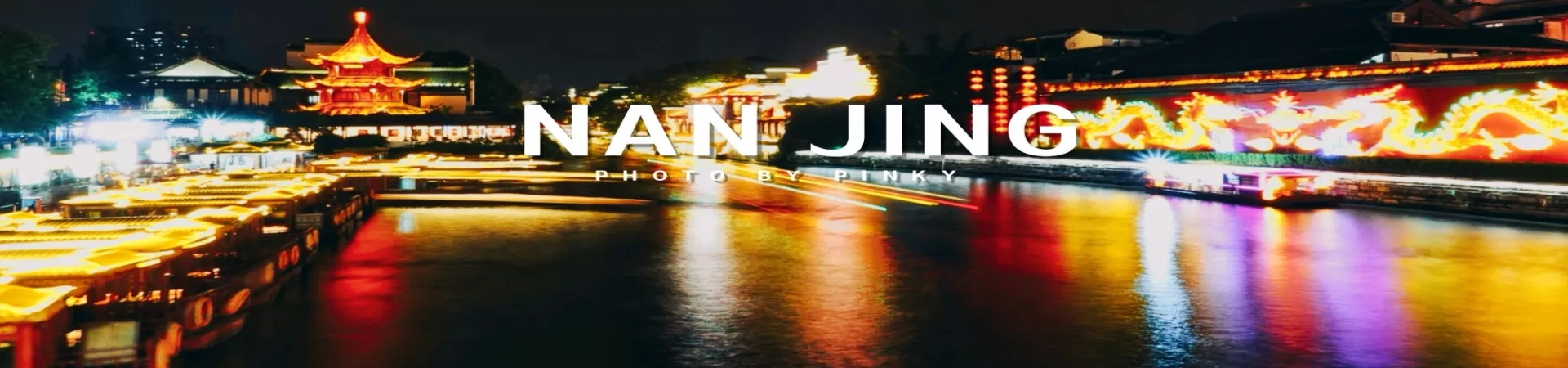
3.2. The "Night Mooring on Qinhuai" Experience A journey here is incomplete without experiencing the river itself. Taking a boat cruise along the Qinhuai has evolved into a quintessential Nanjing tourist activity, renowned as a nationally famous historical and cultural river tour. The most enchanting experience is undoubtedly "Night Mooring on Qinhuai." As dusk falls, traditional lanterns illuminate the waterside pavilions and corridors, casting a dreamlike glow on the river's surface. Gliding along the calm waters in a painted boat, visitors are treated to a mesmerizing panorama of ancient architecture, bridges, and lively shores, a scene that vividly evokes the prosperity and romantic lyricism of dynastic eras past.
4. Practical Visitor Information 4.1. Transportation Guide Reaching the Confucius Temple-Qinhuai River area is convenient via Nanjing's public transport network. The most efficient method is to take Metro Line 1 and alight at Sanshanjie Station, which places you within easy walking distance of the scenic area. Several public bus routes also provide direct access. Visitors can take bus numbers 2, 16, 202, or 302 to the Zhonghualu·Changlelu stop, followed by a brief 52-meter walk. Alternatively, bus numbers 202 or 26 to the Zhonghualu·Zhanyuanlu stop require a slightly longer walk of approximately 317 meters.
4.2. Admission and Opening Hours Access to the main open areas of the Confucius Temple-Qinhuai River Scenic Belt is free of charge, allowing visitors to stroll along the riverbanks and through the bustling commercial streets. However, please note that entry into specific interior attractions, such as the main halls of the Confucius Temple, the Imperial Examination Museum (Jiangnan Examination Hall), and other historical sites within the zone, typically requires separate admission tickets. Fees and detailed policies for these individual venues should be confirmed directly at the respective ticket offices.
The scenic area is generally open to visitors daily from 09:00 to 22:00. The last admission is usually at 21:30. It is advisable to allocate between 1 to 3 hours for a basic exploration, though a full experience encompassing boat rides, temple visits, and leisurely walks through the ancient streets could easily extend to half a day or more, especially in the evening to enjoy the magnificent night views.