Nanchang August 1st Uprising Memorial Hall
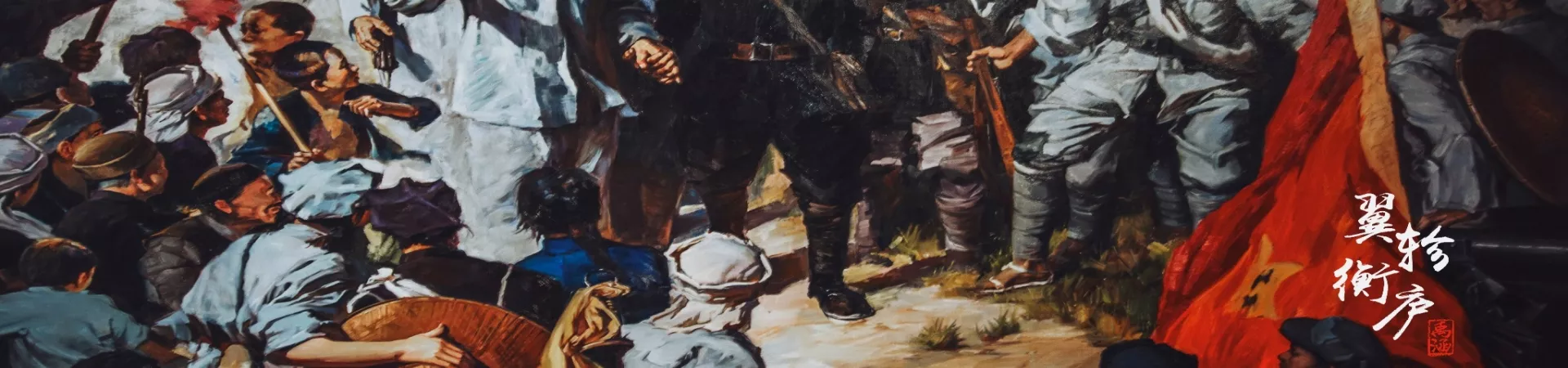
Subtitle: A Journey Through History: Visiting the Nanchang August 1st Uprising Memorial Hall
1. Introduction: The Building - A Silent Witness to History
Nestled within the modern urban landscape of Nanchang stands a structure of profound historical significance: the Nanchang August 1st Uprising Memorial Hall. To the casual observer, it is an architecturally distinctive building; to the historian, it is hallowed ground. The memorial hall is housed within the meticulously preserved former Jiangxi Grand Hotel, a four-story, silver-grey edifice constructed between 1922 and 1924. Its design is a fascinating fusion of Chinese and Western architectural styles, a physical testament to an era of cultural intersection. The exterior is adorned with Western-style cement reliefs framing doors and windows, while the interior layout is quintessentially Chinese, organized around a spacious, central courtyard (tianjing). This courtyard, featuring four large water vats originally used for fire prevention, exemplifies traditional Chinese architectural philosophy, creating a serene, inward-focused space that once bustled with the activity of a major hotel, soon to become the nerve center of a revolution.
2. The Historic Event: The Dawn of the People's Army
2.1. The Night That Changed China This building's transition from a commercial hotel to a national monument hinges on the events of a single, pivotal night. In the early hours of August 1, 1927, at precisely 2:00 AM, the silence over Nanchang was shattered by a gunshot. This was the first report of the August 1st Nanchang Uprising, an event that would resonate through Chinese and world history. Within the walls of this former hotel, which served as the General Headquarters, key revolutionary leaders including Zhou Enlai (Secretary of the Front Committee), He Long (Commander-in-Chief of the uprising), Ye Ting (Frontline Commander-in-Chief), Zhu De (Commander of the Third Army Officers' Education Regiment), and Liu Bocheng (Chief of Staff of the Military Advisory Group) orchestrated and launched a meticulously planned armed revolt. Leading over 20,000 troops, they struck the first deliberate, organized blow against the ruling Kuomintang (Nationalist) reactionaries.
2.2. Significance and Legacy This uprising was far more than a local military engagement. It marked the definitive beginning of the Chinese Communist Party's independent leadership of armed revolutionary struggle. More importantly, it is celebrated as the founding moment of the People's Liberation Army, making August 1st China's Army Day. The shots fired in Nanchang signaled a new phase in the Chinese revolution, transitioning from political mobilization to sustained, independent military confrontation. The Memorial Hall, therefore, is not merely a museum; it is the birthplace of a modern institution central to China's contemporary identity.
3. The Memorial Hall: Preservation and Education
3.1. Establishment and Mission To commemorate this epochal event, the People's Government established the Nanchang August 1st Uprising Memorial Hall in 1956, intentionally locating it within the very building that served as the uprising's command center. This decision roots the historical narrative in its authentic physical context, allowing visitors to walk the same corridors and rooms where history was made. The museum's mission is to preserve this invaluable site, collect related historical relics, conduct scholarly research, and most importantly, educate the public about this foundational chapter in modern Chinese history.
3.2. Visitor Experience and Exhibitions Upon entering, visitors are guided through a chronological and thematic journey. The exhibitions typically feature a vast collection of historical photographs, documents, personal effects of the leaders and soldiers, firearms, military maps, and multimedia presentations. Detailed dioramas and life-sized scenes vividly recreate the tense planning sessions and the fervor of the uprising itself. The preserved rooms, such as the former offices of Zhou Enlai and other commanders, offer an intimate glimpse into the past. The central courtyard, once a practical architectural feature, now serves as a contemplative space, connecting the building's physical history with the monumental events it hosted.
4. Practical Information for Visitors
4.1. Location and Transportation The Memorial Hall is located in the heart of Nanchang, making it easily accessible. Visitors can take public bus routes 205, 229, or 830 and alight at the Ximachi Station. From there, it is a short and straightforward walk to the site.
4.2. Admission and Opening Hours Admission to the Nanchang August 1st Uprising Memorial Hall is free of charge. However, as a managed heritage site, it operates on a mandatory reservation system. All visitors must book their visit in advance through the memorial hall's official WeChat public account. The hall is open from 9:00 AM to 5:00 PM, with last entry permitted at 4:30 PM. It is closed to the public every Monday for maintenance. These hours apply throughout the year, from January 1st to December 31st.
4.3. Planning Your Visit A comprehensive visit to the memorial hall, including time to view the exhibitions in detail, absorb the atmosphere of the historic building, and explore the grounds, typically requires between 1 to 3 hours. It is advisable to schedule your visit accordingly, book your slot well in advance—especially during weekends, holidays, and around Army Day (August 1st)—and arrive on time for your reserved entry period. Wearing comfortable shoes is recommended, as the tour involves considerable walking and standing.
Information last updated: August 27, 2023. Contact: 0791-86613806.