Bayi Square
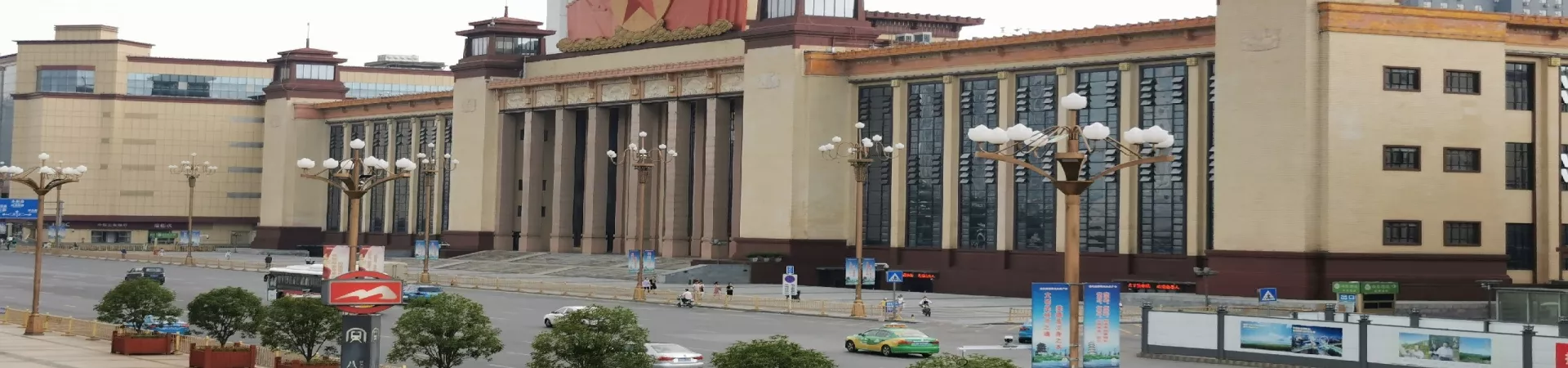
Subtitle: The Heartbeat of Nanchang: A Monument to History and Modern Life
1. Introduction: The Civic Centerpiece
Nestled in the very heart of Nanchang, the capital of Jiangxi Province, Bayi (August First) Square is far more than an open urban space. It is the symbolic and functional core of the city, a sprawling stage where the political, economic, cultural, and social life of Jiangxi converges. As the largest central city square in the province, it masterfully intertwines profound historical reverence with the vibrant pulse of contemporary Chinese urban life. For any visitor to Nanchang, a journey here is essential, offering not just a lesson in pivotal history but also a genuine glimpse into the daily rhythms and communal spirit of its people.
2. Layout and Symbolism: A Space of Grand Design
The square's impressive scale and thoughtful design immediately strike visitors. It is systematically divided into three main sections: the vast Central Plaza, the Reviewing Stand (主席台), and the Eastern and Western Leisure Gardens. This layout creates a harmonious balance between solemnity, ceremonial purpose, and public recreation.
2.1. The Central Plaza and the Monumental Tower Dominating the visual and spiritual center of the square is the majestic "August First Nanchang Uprising Memorial Tower." This iconic obelisk, inscribed with calligraphy by Marshal Ye Jianying, stands as a permanent, soaring tribute to the event that unfolded here. The 1927 Nanchang Uprising, led by the Communist Party, is recognized as the founding moment of the People's Liberation Army. The tower is not merely a monument to be observed from afar; it is an interactive touchstone of national pride. It is perpetually surrounded by visitors—from veterans paying solemn respects to families and tourists eagerly capturing合影 (group photos)—its image serving as a powerful backdrop for personal memories against the canvas of national history.
2.2. The Musical Fountain: A Liquid Tapestry of Memory Adjacent to the tower lies another profound artistic and historical statement: the large-scale musical fountain. This is no ordinary water display. With precisely 1,290 nozzles, its design is deeply symbolic, representing the soldiers of the 129th Division of the Eighth Route Army who fought valiantly in the Taihang Mountains during the War of Resistance against Japan. As music swells, the water dances in complex, powerful patterns—jetting skyward in forceful columns, swaying in rhythmic waves, and exploding in colorful illuminations after dark. Each performance is a dramatic reenactment of struggle, sacrifice, and ultimate triumph, transforming water and light into an emotive narrative of the revolutionary past.
3. The Living Square: Leisure, Culture, and Daily Life
While history provides its foundation, Bayi Square thrives as a living, breathing urban organ. The Eastern and Western Leisure Gardens offer shaded pathways, lush greenery, and benches, providing a serene escape from the urban bustle. Throughout the day, the square morphs to serve the community.
3.1. A Microcosm of Social Activity In the early mornings, the gardens and plazas become an open-air gym, filled with residents practicing tai chi, flying kites, or enjoying brisk walks. By day, it's a bustling transit point and a meeting place. As evening falls, the atmosphere shifts again. The musical fountain shows draw crowds, while the open spaces become venues for informal dance groups, friends socializing, and families enjoying the cool night air. The square effortlessly transitions from a site of historical pilgrimage by day to a premier venue for public recreation by night.
4. Practical Information for the Visitor
4.1. Accessibility and Cost Bayi Square's central location in Nanchang makes it exceptionally easy to access via public bus, taxi, or metro. In a gesture of civic openness, admission to the square is completely free of charge, ensuring everyone can experience this national landmark.
4.2. Opening Hours and Suggested Visit Duration The square itself is open to the public 24 hours a day, every day of the year. This round-the-clock access allows for different experiences: the solemnity of a morning visit, the lively energy of an afternoon, or the dazzling spectacle of the illuminated fountain and tower at night. For a comprehensive visit that includes appreciating the memorial tower, watching a full fountain performance, and strolling through the gardens, a duration of 1 to 2 hours is recommended. However, many find themselves lingering longer, captivated by the atmosphere or the simple pleasure of people-watching in this grand civic space.
Ultimately, Bayi Square is a place of layered significance. It is where the echo of the first revolutionary gunshot is permanently etched in stone and steel, and where the contemporary laughter and conversations of Nanchang's citizens fill the air. It stands as both a sacred memorial and a democratic park, a place where history is honored not only through silent monuments but also through the vibrant, ongoing life it continues to host and inspire.