Badashan Renmei Lake Scenic Area
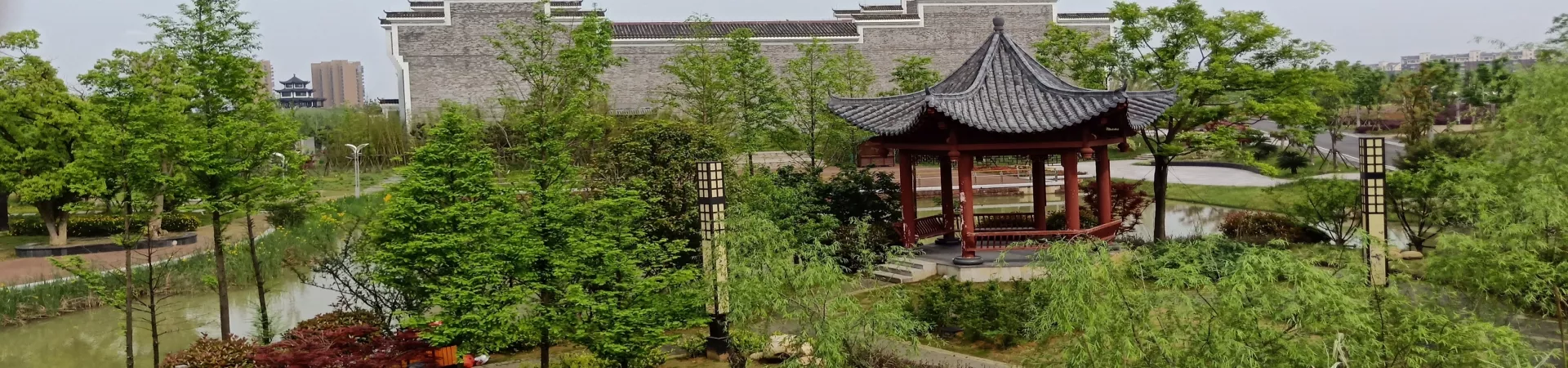
Subtitle: A Journey into Art, History, and Nature: Exploring the Badashanren Meihu Scenic Area
1. Introduction Nestled within the Qingyunpu District of Nanchang City, Jiangxi Province, the Badashanren Meihu Scenic Area stands as a profound and picturesque synthesis of cultural heritage, artistic legacy, and natural beauty. This expansive park, spanning approximately 3200 acres (about 13 square kilometers), is more than just a green space; it is a living tribute to one of China's most revered artistic figures, Badashanren (a pseudonym for Zhu Da, 1626-1705). Recognized by UNESCO as one of "China's Ten Great Cultural and Artistic Figures" and praised by the renowned painter Zheng Xie (Zheng Banqiao) as "famous throughout the world," Badashanren was a master of ink painting, a Ming dynasty loyalist, and a profound individual whose work expressed deep emotion and a unique spiritual worldview. The scenic area uses his legacy as its core, weaving together traditional Chinese culture with the serene ecology of Meihu (Plum Lake) to create a distinctive historical, cultural, and ecological destination in the heart of a Jiangnan urban landscape.
2. Thematic Layout and Key Zones The park is meticulously planned to offer a diverse yet harmonious experience, organized into seven primary functional zones that guide visitors through different facets of art, history, and leisure.
2.1. Ink Wash and Danqing Zone This zone serves as the artistic soul of the park, directly channeling the aesthetic spirit of Badashanren. The landscape here mimics the fluid, suggestive strokes of ink wash painting, with carefully composed vistas of water, rocks, and foliage that appear as though lifted from a classical scroll. It provides a tranquil environment for contemplation and an immediate, immersive introduction to the artistic sensibility that defines the entire area.
2.2. Cultural Exhibition Zone Dedicated to education and preservation, this zone is home to the park's core museums and historical residences. The "Three Halls and Three Residences" likely include dedicated museums showcasing Badashanren's life, his revolutionary artwork, and the broader context of Ming-Qing transition culture. These spaces offer invaluable insight into his techniques, his philosophical underpinnings, and his enduring influence on Chinese art.
2.3. Water Town Charm Zone Evoking the classic imagery of Jiangnan—the region south of the Yangtze River—this area features winding waterways, traditional-style architecture, and quaint bridges. It recreates the atmospheric charm of ancient Chinese water towns, allowing visitors to stroll along cobbled paths beside calm canals, experiencing the timeless pastoral beauty that has inspired poets and painters for centuries.
2.4. Three Friends of Winter Zone Centered on the symbolic plants of pine, bamboo, and plum—collectively known as the "Three Friends of Winter"—this zone celebrates resilience, integrity, and purity in Chinese culture. The plum blossom, a frequent and beloved subject in Badashanren's paintings, holds particular significance. Groves of these plants create a landscape that is both visually striking and rich in literary and artistic allusion, especially beautiful in the colder months.
2.5. Agricultural Leisure Zone This zone offers a hands-on, family-friendly contrast to the artistic and historical themes. It presents a glimpse into traditional agrarian life, with activities and displays related to farming. It serves as a space for relaxation and playful engagement with the land, highlighting the harmonious relationship between human activity and nature that is a staple of Chinese philosophical thought.
2.6. Meihu Lake Reflection Zone Centered around the serene Plum Lake itself, this area is designed for quiet reflection and scenic enjoyment. The lake acts as the park's central ecological and visual anchor, with walking paths, pavilions, and viewing points along its shores. The water reflects the surrounding greenery and architecture, doubling the beauty of the scenery and creating a peaceful atmosphere for leisurely walks or quiet thought.
2.7. Comprehensive Recreation Zone Providing modern amenities and entertainment, this zone caters to the needs of all visitors. It includes dining options, rest areas, and possibly light recreational facilities, ensuring that a visit to the park is both culturally enriching and comfortably enjoyable.
3. A Tapestry of Specific Attractions Beyond the broad zones, the park boasts a remarkable collection of over seventy specific sites, succinctly summarized as "Three Halls, Three Residences, Two Gardens, Two Streets, Two Squares, Two Courts, One Waterway, One Path, One Corridor, One Pavilion, One Tower, One Hall, One Stage, One Island, One Pagoda, and Ten Groves." This extensive list indicates a destination filled with detail and discovery. Visitors can explore intimate classical gardens, walk along historically-themed streets, attend cultural performances in open squares or courts, climb a pagoda for panoramic views, and lose themselves in specialized groves of trees, each potentially dedicated to a species with cultural importance, such as plum, bamboo, or pine.
4. Practical Visitor Information 4.1. Location and Transportation The Badashanren Meihu Scenic Area is situated in the Qingyunpu District of Nanchang. The most straightforward public transportation option is to take Nanchang Public Bus Route 89 and alight at the "Badashanren Meihu Scenic Area (East)" bus stop. From there, the park entrance is within easy walking distance.
4.2. Admission and Opening Hours A significant advantage for visitors is that the park offers free admission. It is open to the public all day, every day, throughout the year (from January 1st to December 31st, Monday through Sunday). This allows for flexible scheduling, whether for a morning stroll, an afternoon of cultural exploration, or an evening walk.
4.3. Suggested Duration A typical visit to appreciate the main zones and attractions requires approximately 1 to 3 hours. However, art enthusiasts, history buffs, or those seeking a full day of relaxation in nature could easily spend longer exploring the extensive grounds, museums, and hidden corners in detail.
Note: The practical information provided is for reference. It is always advisable to check for any updates or changes from the scenic area's official announcements before your visit.