The Site Group of the August 1st Uprising
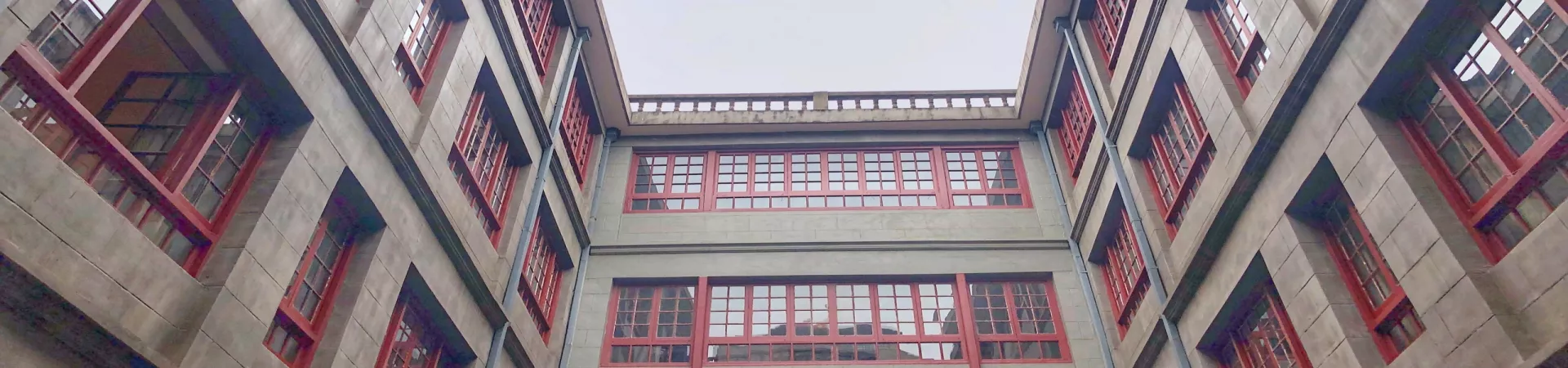
Subtitle: A Journey Through the Cradle of the People's Military: Nanchang's August 1st Uprising Sites
1. Introduction: The City That Fired the First Shot
Nanchang, the capital of Jiangxi Province, holds a unique and revered position in modern Chinese history. It is celebrated as the "City of Heroes," a title earned on the early morning of August 1, 1927. On that pivotal day, the Communist Party of China launched an armed uprising against the ruling Kuomintang, marking the birth of the People's Liberation Army and the beginning of the Party's independent leadership of revolutionary armed struggle. Today, the physical remnants of this epochal event are preserved as the August 1st Uprising Sites Cluster, a series of meticulously maintained locations that offer visitors a profound journey into the origins of modern China. This cluster is not merely a collection of old buildings; it is an immersive historical landscape where one can walk in the footsteps of revolutionary founders and feel the weight of the decisions that shaped a nation's destiny.
2. The Core Sites: Pillars of the Uprising
The August 1st Uprising Sites Cluster, designated as a National Key Cultural Relic Protection Unit, comprises five principal locations, each playing a critical role in the planning and execution of the uprising.
2.1 The Headquarters of the August 1st Uprising This is the nerve center of the entire operation. Housed in the former Jiangxi Grand Hotel, a stately building in the city center, this site served as the command post for the leading figures of the uprising, including Zhou Enlai, He Long, Ye Ting, Zhu De, and Liu Bocheng. Visitors can explore the restored conference rooms, offices, and living quarters where strategies were debated and the final order to revolt was issued. The atmosphere within these rooms is palpable, with period furnishings and historical displays conveying the intense urgency and revolutionary fervor of the days leading up to August 1st.
2.2 He Long's Command Post Located in a nearby church building, this site was where General He Long, one of the uprising's chief military commanders, directed the actions of his 20th Army. The architecture presents a fascinating juxtaposition of its original purpose and its revolutionary repurposing. Exhibits here focus on He Long's personal leadership and the specific movements of the troops under his command during the critical hours of the uprising, highlighting the tactical coordination required for the operation's initial success.
2.3 Zhu De's Officers' Training Regiment This site underscores the crucial preparatory work that made the uprising possible. Prior to the uprising, Zhu De utilized his position as the head of the Third Army Officers' Education Regiment to train a core of loyal military cadres. The regiment's旧址 (old site) showcases classrooms, drilling grounds, and dormitories, illustrating how Communist ideology and military tactics were disseminated among progressive officers. It stands as a testament to the patient, foundational work that underpinned the dramatic events of the uprising.
2.4 Ye Ting's Command Post Housed in a former school building, this location was the operational headquarters for the 24th Division led by General Ye Ting. As a key force in the uprising, the actions planned here were decisive. The site details Ye Ting's role and the division's combat operations, featuring maps, weapon displays, and narratives that break down the military engagements street by street, offering a granular view of the fighting that took over Nanchang.
2.5 Zhu De's Former Residence A short distance from the main cluster, this modest residence provides a more personal glimpse into the life of one of the uprising's key architects. It was here that Zhu De lived and worked while planning the uprising. The simple furnishings and personal effects on display humanize the legendary figure, reminding visitors that grand historical movements are driven by individuals making extraordinary commitments in often ordinary settings.
3. Integration into Nanchang's Revolutionary Heritage Trail
The significance of the August 1st Uprising Sites is magnified by their integration into Nanchang's broader "red tourism" circuit. The sites do not exist in isolation but form a coherent narrative when visited in conjunction with other key landmarks.
3.1 The New Fourth Army Headquarters Memorial Following the uprising, the revolutionary forces embarked on the Long March. Years later, during the War of Resistance Against Japan, Nanchang again became a significant base as the site of the New Fourth Army's headquarters. Visiting this location immediately after the August 1st sites allows one to trace the direct evolution of the military force born in 1927, understanding its continuity and transformation through different phases of the revolutionary struggle.
3.2 The Jiangxi Revolutionary Martyrs' Memorial Hall This solemn and imposing hall is dedicated to the memory of the countless heroes who sacrificed their lives for the revolutionary cause in Jiangxi. It provides essential context, honoring the broader sacrifice that extended far beyond the leaders. The exhibits and memorials here instill a deep sense of the cost of the revolution, adding an emotional and reflective layer to the strategic and military history explored at the uprising sites.
3.3 The August 1st Uprising Memorial Tower Dominating Bayi Square, this iconic 53-meter-high tower, erected in 1979, is the modern symbol of the uprising. Adorned with calligraphy by past leaders and bas-reliefs depicting the uprising's events, it serves as a powerful, unifying monument. Visiting the tower offers a space for contemporary reflection and commemoration, connecting the historical events to the present-day city's identity.
4. Practical Information for Visitors
For those planning a visit to this foundational chapter of Chinese history, a few practical notes are essential. The August 1st Uprising Sites Cluster is centrally located and accessible within Nanchang. To fully appreciate the historical context and connections between the scattered sites, allocating a full day is recommended. Regarding admission, it is advisable to check the latest ticketing information, including potential fees, opening hours, and any required bookings, directly with the official scenic area management or their authorized platforms prior to your visit. The most enriching experience often comes from engaging with the on-site guides or audio tours, which provide detailed narratives that bring the static exhibits to life.