Suifenhe National Gate Tourist Area
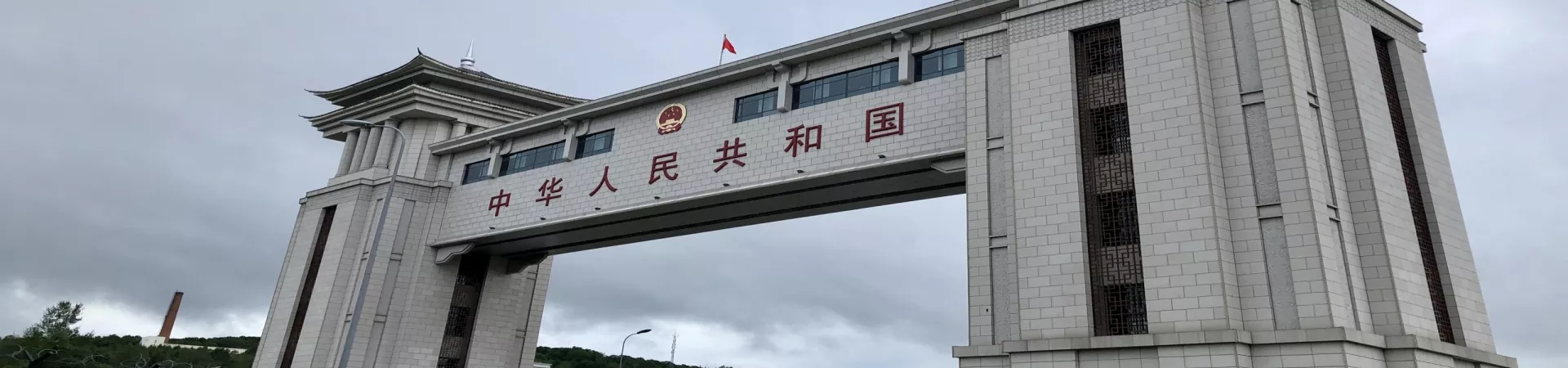
Subtitle: A Journey to the Edge: Exploring Suifenhe National Gate, Where China Meets Russia
Introduction: A Monument on the Margin
Standing as a silent sentinel between two vast nations, the Suifenhe National Gate is far more than a mere border crossing. It is a powerful symbol, a physical manifestation of the boundary where China ends and Russia begins. This imposing, monumental gate structure dominates the landscape, its architecture speaking a language of sovereignty and connection. To its north stretches the expanse of Russia; to its south lies the homeland of China. For any visitor, the site offers a profound and tangible sense of place—a rare opportunity to stand literally at the edge of a country, contemplating the distinct worlds that lie on either side of this architectural threshold. The experience is both geographically definitive and curiously introspective, framed by the gate's solemn presence.
From Obscure Village to Strategic Hub: A Tale of Transformation
The Humble Beginnings The strategic importance of modern Suifenhe stands in stark contrast to its remarkably modest origins. Merely a century ago, the area was little more than a small, unremarkable village. Historical accounts suggest that daily life then flowed with little regard for the invisible political line that would later define it. The border was a permeable concept, with movement and interaction between communities occurring freely, unencumbered by the formalities of national identity. This pastoral past is almost entirely obscured by the city's current role, making its rapid ascent all the more remarkable.
The Catalyst of Change The dramatic transformation of Suifenhe is intrinsically linked to China's era of Reform and Opening-Up. As national policies evolved, this once-sleepy settlement was thrust into a position of critical geopolitical and economic significance. It became a vital conduit for trade, diplomacy, and cultural exchange between China and Russia. The construction of the grand National Gate itself can be seen as both a result and a declaration of this new status. The city of Suifenhe, though still relatively compact and tranquil compared to major metropolises, now derives its very identity and raison d'être from its position as a gateway. It is a city shaped by the border, offering a unique blend of small-town serenity and international purpose.
Planning Your Visit: A Practical Guide
Getting There and Around Suifenhe itself is a peaceful city, offering a welcome respite from urban bustle. This tranquility extends to the ease of visiting its premier landmark. The National Gate Scenic Area is conveniently located approximately 4 kilometers from the city center. The journey is short and straightforward, taking just about 5 minutes by taxi at a very reasonable cost of around 10-15 RMB. This accessibility makes a trip to the border an effortless and essential part of any stay in Suifenhe.
The Border Gate Experience The primary focus is, of course, the Gate itself. Visitors are encouraged to walk its grounds, absorb the scale of the structure, and capture photographs that literally frame two nations. The atmosphere here is one of dignified calm, often punctuated by the scheduled movements of freight trains—a constant reminder of the active economic life flowing through this portal. The viewing platforms offer the clearest vantage points for looking across into Russian territory, providing a quiet moment of cross-continental contemplation.
Deepening Your Understanding: The Exhibition Hall Adjacent to the Gate, an on-site Exhibition Hall provides crucial context for your visit. This facility is highly recommended for those wishing to move beyond the impressive visuals and understand the forces that shaped them. Through photographs, documents, models, and narratives, the exhibition details Suifenhe's incredible journey from its humble village roots to its current status as a modern border city. It specifically highlights the impact of national policy and international trade, telling the story of the city's development in parallel with the story of the border itself. A visit here typically enriches the external experience of the Gate with meaningful historical and socioeconomic insight.
Essential Visitor Information
- Opening Hours: The Suifenhe National Gate Scenic Area is open daily from 08:00 to 16:00, with last admission at 15:30. These hours are generally consistent throughout the year.
- Admission: Access to the scenic area, including viewing the National Gate and visiting the Exhibition Hall, is free of charge. Visitors should note that operational details are subject to change, and it is always advisable to confirm the latest information locally.
- Suggested Duration: Most visitors find that allocating 1 to 3 hours is sufficient for a comprehensive experience. This allows ample time to appreciate the Gate's exterior, explore the Exhibition Hall thoroughly, and simply soak in the unique atmosphere of the location without feeling rushed.
The Suifenhe National Gate ultimately presents a multifaceted experience. It is at once a photo opportunity of geopolitical significance, a lesson in modern Chinese regional development, and a quiet space for reflection on the meaning of borders in our interconnected world. Its proximity to the calm city of Suifenhe makes it a remarkably accessible and rewarding destination.