Rentou Tower
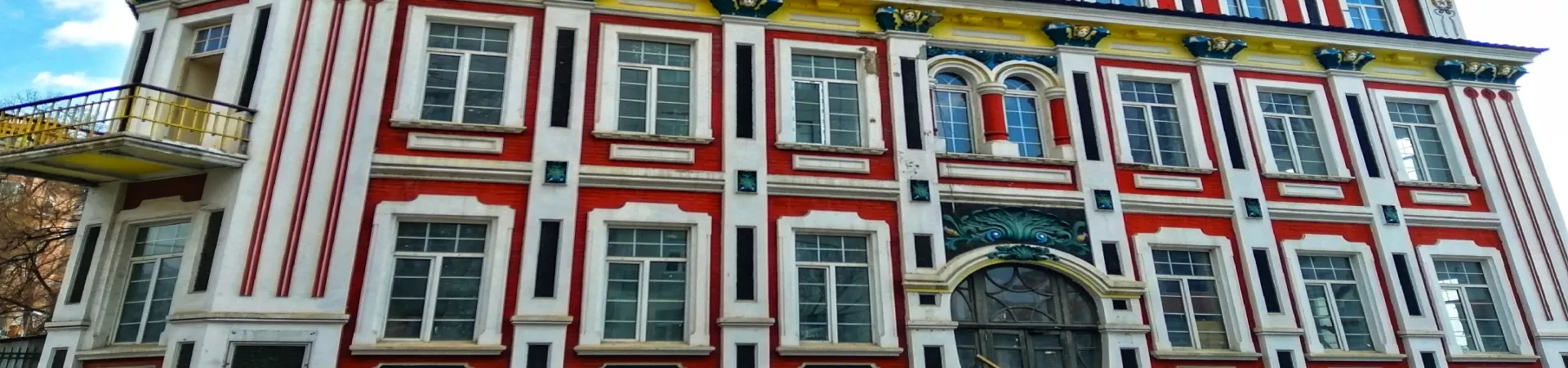
A Witness to History and Culture: The Human Head Building in Suifenhe
Nestled in the city of Suifenhe, in China's Heilongjiang province near the border with Russia, stands a unique and architecturally striking edifice known locally as the "Human Head Building" (Rentou Lou). This structure is far more than an oddity; it is a profound physical narrative etched in stone and mortar, encapsulating a complex tapestry of early 20th-century history, cultural fusion, and economic exchange.
An Architectural Anomaly with a Story
The building's most distinctive and eponymous feature is a series of sculpted male heads, each with varied facial expressions and headwear, adorning the corbels beneath the third-floor windows. This singular decorative element, starkly different from traditional Chinese architectural motifs, immediately signals the building's foreign inspiration. Constructed in the early 1910s, its design is a quintessential example of the Russian style prevalent in Northeast China during that era, featuring a symmetrical facade, arched windows, and intricate stucco work.
The very existence of such a vividly Russian building on Chinese soil is intrinsically linked to a pivotal and tumultuous period in regional history. Its construction coincided with the final years of Tsarist Russia and the early development of the Chinese Eastern Railway, a project that brought significant Russian influence and settlement to areas like Suifenhe. The building's history is multifaceted: it initially served as a commercial and residential hub for the Russian community, later housing Japanese consular offices during the occupation of Manchuria, and has fulfilled various roles throughout the decades since. Thus, it stands not merely as an architectural import but as a silent witness to the waves of foreign presence and the shifting tides of power in this border region—a tangible reminder of what many Chinese regard as a "century of humiliation."
A Microcosm of Border Life and Exchange
Beyond its historical weight, the Human Head Building embodies the enduring spirit of the Sino-Russian borderlands. Suifenhe has long been a crucial gateway, and this building is a classic symbol of the border trade culture that defines the city. From its earliest days, it facilitated commerce, housing traders and businesses that operated between the two empires. Its solid walls have observed the flow of goods, people, and ideas across the frontier, a tradition that continues vibrantly in modern Suifenhe, now a major hub for cross-border trade.
Furthermore, the structure is a cornerstone of the area's open culture. Its architecture represents a tangible acceptance and integration of foreign artistic and construction techniques into the local landscape. This openness to external influence, born initially from geopolitical circumstance, evolved into a characteristic trait of border cities like Suifenhe, where cultural elements blend to create a unique local identity. The building, therefore, is a monument to this adaptive, hybrid culture.
Finally, it is an iconic feature of frontier town culture. In remote border areas, distinctive architectural landmarks often become the heart of a community's identity. The Human Head Building, with its unmistakable visages gazing out over the city, has served this role for over a century. It has been a constant in the urban fabric, a familiar reference point for generations of residents living in this strategic and often volatile frontier zone.
Visiting the Human Head Building Today
For contemporary visitors, a trip to the Human Head Building offers a layered experience. It is an opportunity for architectural appreciation, to examine up close the craftsmanship of the century-old carvings and Russian design elements that have weathered the region's harsh climate. More importantly, it serves as a powerful historical contemplation site. Standing before it, one is prompted to reflect on the complex narratives of empire, conflict, and resilience that shaped Northeast Asia.
The building also provides the perfect starting point for understanding Suifenhe's present-day vitality. The surrounding area buzzes with the energy of modern border commerce, with Russian-language signs, markets selling goods from both nations, and a palpable sense of international connection. The old building's persistence amidst this new dynamism creates a fascinating dialogue between past and present.
Practical Information for Visitors: * Location: The building is situated in the downtown area of Suifenhe City, Mudanjiang, Heilongjiang Province. * Suggested Duration: A visit to view the building's exterior, appreciate its architectural details, and absorb the atmosphere of the surrounding neighborhood typically requires under an hour. It is often integrated into a broader walking tour of Suifenhe's historical district. * Admission: As the building is primarily an external architectural landmark and may have varying internal accessibility, it is recommended to check the latest details on admission fees or interior access directly with the local tourist information office or relevant scenic area management.
In essence, the Human Head Building is a captivating portal into the past. Its stony faces hold stories of ambition, conflict, and daily life in a border region where cultures have continuously met, clashed, and coalesced. It remains an indispensable key to understanding the historical depth and unique cultural character of Suifenhe.