Jingbo Lake Scenic Area
A Visitor's Guide to Jingpo Lake: China's Alpine Marvel
Nestled within the volcanic landscapes of Mudanjiang City in Heilongjiang Province, Jingpo Lake stands as a breathtaking testament to the raw power and serene beauty of nature. This comprehensive guide delves into the essence of the scenic area, providing essential information and insights for planning your visit.
• The Genesis of a Lake: A Volcanic Legacy Jingpo Lake is not an ordinary body of water; it is a magnificent alpine barrier lake, the largest of its kind in China and the second largest in the world. Its origin story dates back tens of thousands of years to a cataclysmic volcanic eruption. The flowing lava from ancient volcanoes cooled and solidified, damming the Mudan River and creating this vast, serene lake amidst the surrounding mountains. This unique geological birth gives the entire region its distinctive character, where tranquil waters meet ancient volcanic formations.
• Exploring the Three Realms of Jingpo Lake The Jingpo Lake Scenic Area is systematically divided into three primary regions, each offering a distinct experience:
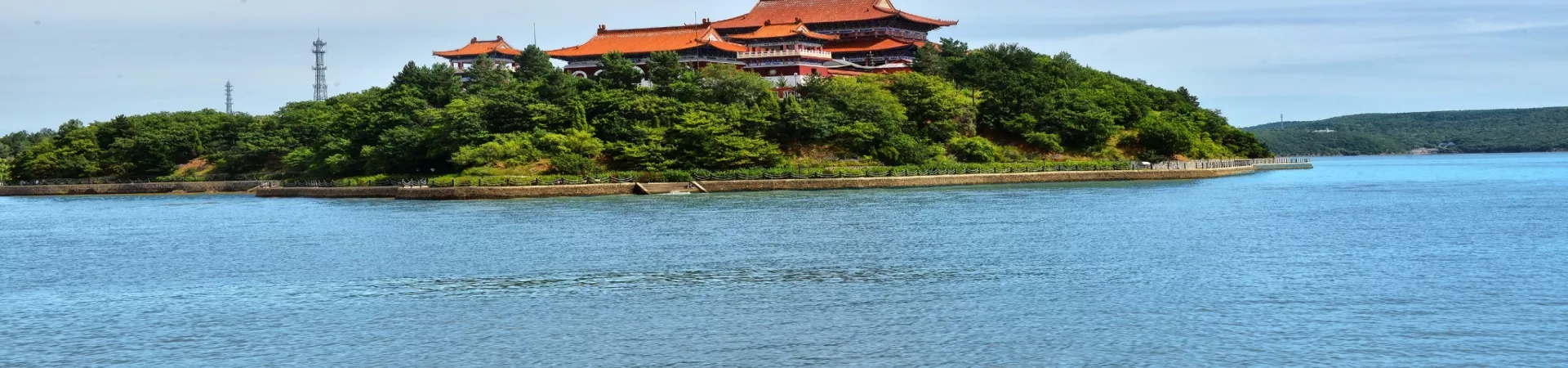
1. The Main Lake Area (Jingpo Lake Core) This is the heart of the scenic spot, centered on the expansive, mirror-like lake itself. The water, renowned for its clarity and stillness, perfectly reflects the sky and forested banks, living up to its name "Mirror Lake." A cruise on the lake is the quintessential activity, offering panoramic views of the surrounding hills and unique rock formations. The lakeshore is dotted with various viewing platforms and peaceful walking paths.
2. Diaoshuilou Waterfall While part of the main lake system, the Diaoshuilou (Hanging Water Tower) Waterfall deserves its own highlight as the most famous singular spectacle in Jingpo Lake. During the summer flood season, the waterfall is a thunderous, awe-inspiring sight as water from the lake cascades over a broad, horseshoe-shaped basalt cliff with tremendous force. In winter, the scene transforms dramatically: the waterfall freezes into a colossal, static sculpture of ice, creating a fantastical and silent winter wonderland. A unique attraction here is the daily cliff diving performance by Mr. Di Huanran, celebrated as China's premier cliff diver. His fearless leaps from the edges of the waterfall into the pool below add a thrilling human element to the natural grandeur, especially during the roaring summer months.
3. Jingpo Lake Gorge Located downstream from the Diaoshuilou Waterfall, this area offers a different perspective. It features turbulent rapids, bizarrely shaped volcanic rocks, and lush vegetation along the canyon carved by the water. It's a fantastic area for hiking and exploring the more dynamic and rugged water landscapes and unique geological structures.
4. Underground Forest Volcano Crater This separate but integral part of the scenic area showcases the volcanic origins more directly. Visitors can descend into ancient, dormant volcanic craters where, over millennia, lush forests have grown inside the craters themselves, creating a surreal "underground" ecosystem. Walking trails lead you through these unique craters, allowing for an up-close view of volcanic rock strata and the resilient forest that thrives within.
• The "Eight Outer Scenes" and Natural Vistas Beyond the major areas, the banks of Jingpo Lake are adorned with numerous natural attractions collectively known as the "Eight Outer Scenes." These include picturesque sites like the Fairy Cave, Great Guanyin Temple, and other scenic spots named after legends and their striking natural appearances. Exploring these spots provides a deeper connection to the local folklore and the diverse landscapes around the lake.
• Essential Visitor Information
Ticket Information: - Standard Ticket: Peak Season: 100 RMB; Off-Peason: 70 RMB. - Note: Ticket prices are subject to change. The above reflects information from late 2023. It is always advisable to check for the latest official pricing before your visit. The ticket often provides access to the main lake area and Diaoshuilou Waterfall, but some specific sites or transportation within the park may require separate fees.
Opening Hours: - The scenic area is generally open to visitors all day, year-round. - However, operational hours for specific attractions like cruise ships, the shuttle buses inside the park, or access to certain trails may vary with the season (typically longer hours in summer). The Diaoshuilou Waterfall performance has scheduled times, usually in the morning and afternoon.
Recommended Visit Duration: - A thorough exploration of the major highlights requires a full day (6-8 hours). This allows time for a lake cruise, visiting the waterfall, exploring the gorge or one of the volcanic craters, and moving between sites. - For visitors with limited time, a half-day (3-4 hours) visit focusing on the Diaoshuilou Waterfall and the immediate lakeshore vistas is still highly rewarding.
Contact Information: - For the most current information, you can contact the scenic area at: 0453-6270180.
Best Time to Visit: - Summer (June-August): Ideal for seeing the powerful waterfall, enjoying lake cruises, lush greenery, and the cliff diving performance. This is the peak tourist season. - Winter (December-February): Offers a completely different, magical experience with frozen waterfalls, snow-covered landscapes, and winter sports opportunities. It is less crowded but extremely cold. - Autumn (September-October): Features comfortable weather and stunning fall foliage around the lake and mountains.
Getting There: Jingpo Lake is approximately 1.5 to 2 hours by road from Mudanjiang city. Visitors can take a long-distance bus from Mudanjiang's bus station directly to the scenic area or hire a private taxi/car. Mudanjiang itself is accessible by flight, train, or long-distance bus from major cities like Harbin.
Travel Tips: - Wear comfortable walking shoes as the area involves a fair amount of walking on trails and stairs, especially at the waterfall and volcano craters. - Bring sun protection (hat, sunscreen) in summer and layered, warm clothing in winter. Temperatures can be significantly cooler by the lake. - Carry water and snacks, though basic amenities are available near the main entrances. - If visiting during Chinese national holidays, expect large crowds and plan accordingly.