Hengdaohezi Northeast Tiger Forest Park
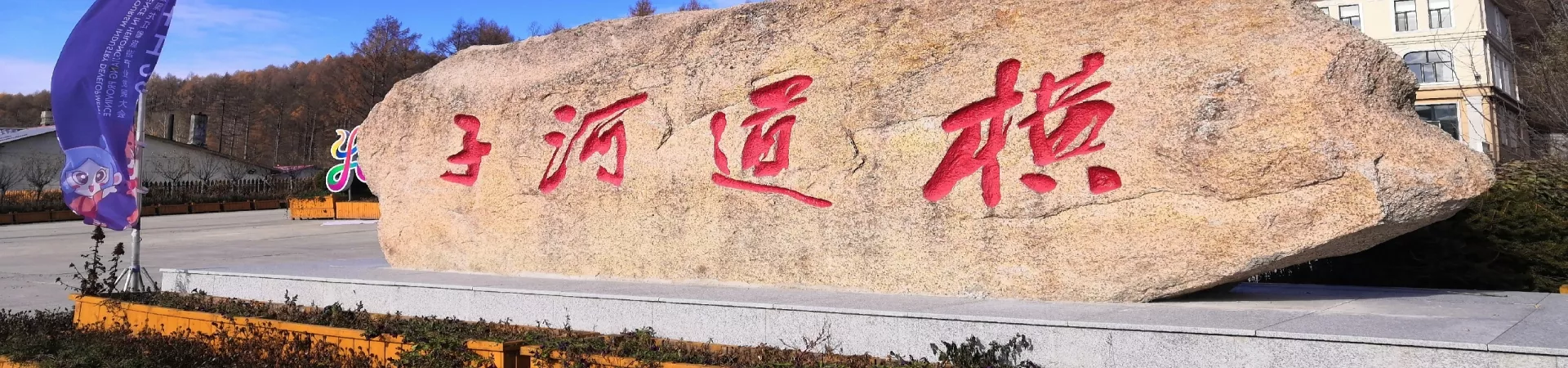
Subtitle: A Sanctuary for the King of the Beasts: Visiting the Hengdaohezi Siberian Tiger Park
1. Introduction to the Park Nestled in the scenic landscape near Mudanjiang City, the Hengdaohezi Siberian Tiger Park stands as a monumental and dedicated effort in wildlife conservation and ecological education. Spanning an impressive 250,000 square meters, this park is far more than a traditional zoo; it is a carefully crafted habitat designed with the singular, noble purpose of protecting and rehabilitating the majestic Siberian tiger, one of China's and the world's most endangered and iconic species. The park's philosophy is rooted in the principle of "returning the tiger to the mountains and restoring its spirit," aiming not just for display, but for the eventual rewilding of these magnificent creatures. It successfully integrates tourism, recreation, scientific popularization, and eco-education into a comprehensive and immersive visitor experience, offering a unique window into the world of these apex predators and other regional wildlife.
2. Park Layout and Key Areas The vast grounds are intelligently divided into several functional zones, each serving a distinct purpose in the park's conservation mission and visitor engagement strategy.
2.1. The Core: The Tiger Habitat Area The undisputed heart of the park is the Tiger Habitat (Meng Hu Yuan), which itself covers 70,000 square meters. This expansive enclosure is meticulously designed to mimic the natural environment of the Siberian tiger, featuring rolling hills, dense vegetation, and rocky outcrops. The terrain allows for the powerful mountain winds to sweep through, creating an authentic and stimulating atmosphere. Currently, the park has introduced its first cohort of ten tigers into this area. These felines are the pioneer "trainees" in an ambitious rewilding program. Their life here is focused on developing natural hunting instincts, territorial behaviors, and survival skills, with the ultimate goal of allowing them to fully express their innate wild nature, moving beyond mere captivity towards a state of managed wilderness.
2.2. Educational and Auxiliary Zones Surrounding the core habitat are other essential areas that enrich the visitor experience: * Education and Science Center: This facility is crucial for the park's mission. It offers detailed exhibits on tiger biology, ecology, the critical threats facing the species (like habitat loss and poaching), and the ongoing conservation efforts in China and globally. It transforms a visit from simple observation into a profound learning experience. * Deer Park and Bear Park: These sections allow guests to observe other native wildlife species that share the ecosystem with the tiger. Understanding the broader ecological community provides context for the tiger's role as a keystone predator. * Rare Animal Viewing Area: Dedicated to showcasing other precious and often threatened species native to the region, further emphasizing the park's commitment to biodiversity. * Visitor Service and Leisure Zone: This area provides necessary amenities, dining options, and rest spaces, ensuring a comfortable and convenient visit for all guests.
3. The Visitor Experience: Observing the Tigers The park offers multiple, thrilling ways to safely observe the Siberian tigers in their semi-wild environment, ensuring an unforgettable encounter with the "King of the Beasts." * Observation Platforms: Strategically placed elevated walkways and viewing decks allow visitors to look out over the vast tiger habitat. From these vantage points, one can witness the tigers roaming, resting, interacting, and displaying their natural behaviors across the hillsides—a truly regal sight. * Protected Tour Vehicles: For an even closer and more immersive experience, the park operates specially designed, caged tour buses that drive through designated sections of the tiger territory. Inside the safety of the vehicle, visitors find themselves just meters away from these powerful animals, offering an unparalleled opportunity to appreciate their sheer size, muscular grace, and piercing gaze. The same vehicles often provide tours through the enclosures for other animals like bears, allowing for a comprehensive wildlife tour.
The combination of these viewing methods ensures that every visitor, whether preferring a panoramic overview or a heart-pounding close-up, can appreciate the formidable presence and beauty of the Siberian tiger and its fellow inhabitants.
4. Practical Information for Your Visit To plan an effective and smooth trip to the Hengdaohezi Siberian Tiger Park, please note the following essential details.
4.1. Location and Transportation The park is located in the Hengdaohezi area. The most flexible way to visit is by private car. * Driving Directions from Mudanjiang City: Take the Suiman Expressway (G10) and exit at the Hengdaohezi interchange. Turn right onto the ramp to enter National Highway G301. Proceed onto Sanheng Road for approximately 40 meters to reach the park's entrance. The total drive typically takes around 45 minutes to 1 hour.
4.2. Ticketing and Fees * Standard Adult Ticket: 50 RMB per person. * Discount Tickets: Available for purchase upon presentation of valid identification for the following groups: university, middle school, and primary school students; active-duty military personnel; religious practitioners; and seniors aged 60 (inclusive) to 70 (exclusive). * Free Admission: Granted to children under 1 meter in height, seniors aged 70 and above, and individuals with disabilities (valid ID required).
4.3. Opening Hours * Operating Schedule: The park is open daily from 8:00 AM to 4:30 PM. * Last Admission: The final entry ticket is sold at 3:30 PM. Visitors are advised to arrive well before this cutoff to allow sufficient time for the full experience. * Note: These hours are typically in effect from August 12th through December 31st. It is always recommended to verify the current schedule before your visit, as times may adjust seasonally.
4.4. Suggested Visit Duration To fully explore the tiger habitats from different viewpoints, tour the auxiliary animal parks, visit the educational center, and absorb the atmosphere, a minimum visit of 3 to 4 hours is recommended. Visitors with a deep interest in wildlife photography or conservation may wish to allocate even more time.