Yinna Mountain Tourist Resort
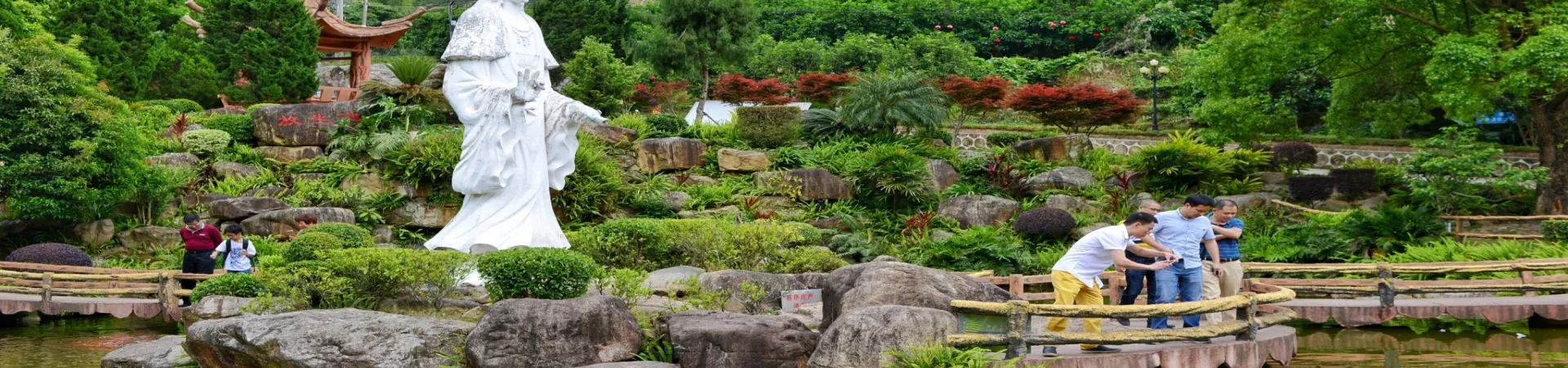
Subtitle: A Sanctuary of Serenity and Spiritual Heritage in the Heart of Hakka Country
1. Introduction to Yinna Mountain Nestled in the northeastern part of Meizhou, Guangdong Province, Yinna Mountain Tourism Resort stands as a majestic green giant and a cultural beacon. Far more than just a scenic area, it is a harmonious blend of profound Buddhist heritage, breathtaking geological wonders, unique ecological diversity, and deep-rooted Hakka culture. As part of the majestic Nanling Mountain Range, its highest peak, the "Copper Drum Peak," soars to an elevation of 1,298 meters, often crowned with mesmerizing seas of clouds that evoke a sense of walking amongst the heavens. For travelers seeking respite from urban clamor, spiritual enrichment, or an immersive encounter with nature's grandeur, Yinna Mountain offers an unparalleled, multifaceted destination.
2. Core Attractions and Experiences 2.1. The Spiritual Heart: Lingguang Temple The soul of Yinna Mountain is undoubtedly the千年古刹 (Millennium Ancient Temple) - Lingguang Temple. Founded during the Tang Dynasty around 861 AD, this temple is one of the most revered Buddhist sites in Guangdong.
- Architectural and Spiritual Marvel: The temple complex is masterfully built following the natural contours of the mountain, featuring majestic halls, tranquil courtyards, and ancient trees. Its most iconic feature is the "Life and Death Tree," a pair of ancient cypresses planted by the temple's founder. One tree has been dead for over 300 years yet stands tall without decaying, while the other flourishes beside it—a powerful natural symbol of Buddhist philosophy on life, death, and eternity.
- Aura of Tranquility: The atmosphere here is one of profound peace. The scent of incense, the sound of chanting, and the respectful whispers of pilgrims create an environment perfect for contemplation and spiritual solace.
2.2. The Summit Adventure: Copper Drum Peak For the active traveler, the ascent to Copper Drum Peak is a rite of passage. The journey itself is a visual feast.
- The Hike: Well-maintained paths and stone stairways wind through dense, ancient forests, past babbling streams and peculiar rock formations. The final climb rewards every step taken.
- The Panorama: Upon reaching the summit, visitors are greeted with a 360-degree panoramic vista. On clear days, the view stretches for miles over rolling green mountains. At dawn, the sunrise paints the sky in brilliant hues, while the famous "Sea of Clouds" often transforms the landscape into an ethereal, island-dotted ocean, making you feel atop the world.
2.3. Geological Wonders: The Yingxi Rock Scenic Area This area showcases the mountain's dramatic geological history through spectacular granite landforms.
- Natural Sculptures: Wind and water erosion over eons have carved the rock into astonishing shapes—cliffs, pillars, caves, and narrow passageways. These formations, with names inspired by their likeness, spark the imagination.
- Engagement with Nature: Exploring this area involves climbing stone ladders, passing through cool, narrow crevices, and discovering hidden vantage points. It’s an interactive experience with the raw, ancient power of the earth.
2.4. Ecological Treasure Trove Yinna Mountain is a nationally recognized forest park and a vital ecological preserve.
- Biodiversity Hotspot: Its vertical elevation gradient creates diverse habitats, fostering a rich array of flora and fauna. The mountain is home to rare and protected species, including various ancient trees, orchids, and birds.
- A Botanist's Dream: The lush vegetation changes with the seasons—vibrant azaleas in spring, emerald green canopies in summer, golden and crimson foliage in autumn, and serene, misty landscapes in winter. The air is famously fresh, rich with oxygen and negative ions, making every breath rejuvenating.
3. The Hakka Cultural Context A visit to Yinna Mountain is incomplete without understanding its cultural setting. Meizhou is the cultural capital of the Hakka people. The resilience, traditions, and communal values of the Hakka are palpable in the surrounding towns and villages.
- Cultural Integration: While the mountain itself is a natural and spiritual site, the influence of Hakka culture is seen in the local architecture, cuisine, and the warm hospitality of the people. Nearby, you can explore traditional Hakka walled-earth buildings (Tulou) and enclosed dragon-style houses (Weilongwu).
- Culinary Journey: Descending from the mountain, travelers can savor authentic Hakka cuisine in local restaurants—dishes like salt-baked chicken, stuffed tofu, and pickled noodles, which offer a hearty and flavorful taste of local life.
4. Practical Visitor Information To ensure a smooth and enriching visit, consider the following guidance.
- Best Time to Visit: The mountain is accessible year-round, each season offering a unique charm. Spring (March-May) and Autumn (September-November) provide the most comfortable temperatures and clear skies. Autumn is particularly recommended for its stable weather and stunning foliage.
- Accessibility and Accommodation:
- Transportation: Yinna Mountain is approximately a 40-60 minute drive from downtown Meizhou. Visitors can hire a taxi, book a private car, or join a local tour group. The Meizhou Chaoshan Airport and high-speed rail station connect the region to major cities.
- Staying Over: Options range from simple guesthouses at the mountain base to more comfortable hotels in the nearby town. For a unique experience, some visitors choose to stay in monastic guesthouses near Lingguang Temple (advance inquiry is necessary).
- Suggested Itinerary: A comprehensive visit typically requires 1.5 to 2 days.
- Day 1: Arrive in the morning, visit Lingguang Temple and explore the surrounding ancient paths. Have a vegetarian meal at the temple. In the afternoon, hike part of the Yingxi Rock area. Overnight at the mountain base.
- Day 2: Start early for the sunrise hike to Copper Drum Peak. Spend the late morning descending and exploring ecological trails. After lunch, depart for other Hakka cultural sites in Meizhou.
- Essential Tips:
- Wear sturdy, comfortable hiking shoes with good grip.
- Carry layers of clothing, as temperatures can drop significantly at the summit.
- Bring water, snacks, rain protection, and sun protection.
- Respect the sacred nature of Lingguang Temple: dress modestly, speak softly, and follow photography rules.
- Preserve the natural environment by carrying out all trash.