Song Kou Old Town
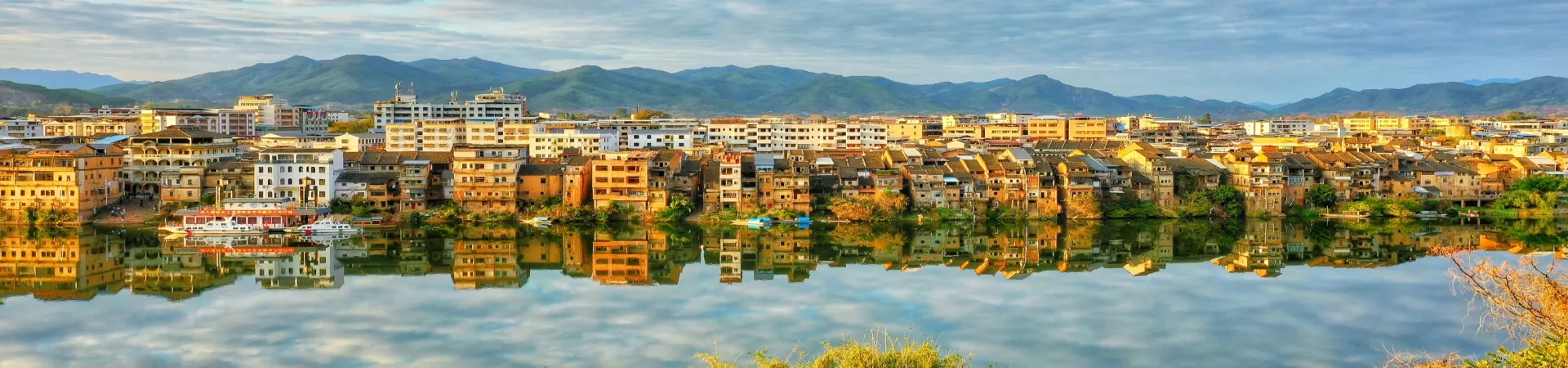
Subtitle: A Journey Through Time: Songkou Ancient Town, Meizhou
Introduction: Where History and Culture Converge
Nestled within the verdant landscapes of Meizhou, in Guangdong Province, lies Songkou Ancient Town, a place where the whispers of a bustling past are etched into every street and building. Far more than a typical scenic spot, Songkou is a living museum, a profound testament to the spirit of migration, cultural fusion, and commercial enterprise that shaped not only this region but also the connections between China and Southeast Asia. For centuries, it served as a pivotal hub, earning the renowned saying, "Since ancient times, it has not acknowledged the prefecture," a phrase underscoring its historical independence and significance that rivaled larger administrative centers. A visit here is not merely a sightseeing trip; it is an immersive walk through layers of history, where the legacy of the Hakka people and the deep imprints of the Nanyang (Southeast Asian) diaspora are palpably alive.
1. A Legacy of Commerce and Migration
1.1. The Historic Trading Powerhouse Songkou's strategic location on the banks of the Meijiang River was the cornerstone of its prosperity. From the Ming and Qing dynasties onwards, it flourished as a critical commercial port and a primary distribution center for goods such as salt, timber, and agricultural products. Its importance is most vividly illustrated by the historical Songkou Port, which once held the distinguished status of being the second-largest inland river port in Guangdong. This aquatic gateway facilitated relentless trade activities, with boats and merchants creating a constant hum of commerce that defined the town's character for generations.
1.2. The Epicenter of Hakka Migration Beyond trade, Songkou earned a more poignant and monumental title: "the first port of the Hakka diaspora." For millions of Hakka people from Meizhou and surrounding areas, this town was the last familiar sight of their homeland. In the 19th and early 20th centuries, driven by hardship and seeking new opportunities, they gathered here to embark on perilous journeys down the Meijiang River, towards Shantou, and finally across the seas to Nanyang—destinations like Malaysia, Indonesia, Singapore, and Thailand. The waterfront became a stage for heart-wrenching farewells and hopeful departures, embedding Songkou permanently in the collective memory of the global Hakka community as their ancestral gateway to the world.
2. Architectural Tapestry: A Fusion of East and West
The town's unique history is physically manifested in its remarkable architectural landscape, a visible chronicle of cultural exchange.
2.1. Streets of Blended Heritage Wandering through the old streets, such as the well-preserved Xhep Street, visitors are greeted by a distinctive streetscape. The architecture here is a harmonious Sino-Western hybrid style. Arcaded walkways provide shelter, a practical feature common in southern China, but the facades tell a more complex story. Traditional Chinese wooden shop-houses stand alongside structures boasting unmistakable colonial and European influences.
2.2. Landmarks of Cultural Fusion This blend is most iconic in the town's early Western-style buildings ("Yanglou"), which began appearing as early as the late Ming and early Qing dynasties. These buildings, often funded by successful overseas Hakka who returned home, feature elements like arched windows, intricate plasterwork, and decorative columns alongside traditional Hakka layouts. Key historical sites include: * The Former Site of the Songkou Railway Station: Part of the historic Chaozhou-Shantou Railway, its architecture reflects the era's modern engineering and foreign influences. * The Nanyang Clubhouse (Qiaoxiang Guildhall): This building served as a vital hub for overseas Chinese, providing assistance and a sense of community to those departing or returning, and its design symbolizes the bridge between cultures. * Various Mansions and Shop-houses: Scattered throughout the town, these structures, with their hybrid designs, silently narrate stories of prosperity, nostalgia, and the seamless integration of foreign aesthetics with local traditions.
3. Practical Information for Your Visit
3.1. Admission and Opening Hours One of Songkou's greatest attractions is its accessibility. The ancient town area is open to the public free of charge and operates 24 hours a day, every day of the year. This allows for flexible exploration, whether under the bright sun or the atmospheric glow of evening lights. Please note that while public areas are always open, access to the interior of specific historical buildings may be subject to their individual caretaker schedules.
3.2. Transportation Guide Reaching Songkou is straightforward. From downtown Meizhou, you can take a public bus. Key routes include the No. 45, No. 48, and No. 52 buses. Alight at the Songkou Central Primary School (Songkou Zhongxin Xiaoxue) bus stop, and from there, the core ancient town area is within a short and pleasant walking distance. For greater flexibility and convenience, hiring a taxi or a private car for the approximately one-hour drive from Meizhou city center is also a popular option.
3.3. Suggested Duration To fully appreciate the ambiance, explore the key historical buildings, stroll along the old waterfront, and absorb the town's unique vibe, a visit of approximately 1 to 3 hours is recommended. This allows for a leisurely pace without feeling rushed. Visitors with a deep interest in photography, architecture, or Hakka history may wish to allocate more time.
4. The Immersive Experience: Beyond Sightseeing
A trip to Songkou is an engagement with a living heritage. It is about tracing the worn steps on the ancient码头 (mǎtóu - wharf), imagining the scenes of bustling departure. It is about touching the weathered walls of a hybrid shophouse, feeling the textures of different eras merged into one. The town offers a profound sense of connection to the Hakka narrative of resilience and global citizenship. The local cuisine, inevitably influenced by Nanyang flavors, and the gentle pace of life by the river complete the experience, offering not just historical insight but also sensory enjoyment. In Songkou, history is not confined to plaques; it is in the air, the architecture, and the very soul of the place, waiting to be discovered by those who walk its timeless streets.