Pingshan Terraced Tourism Area
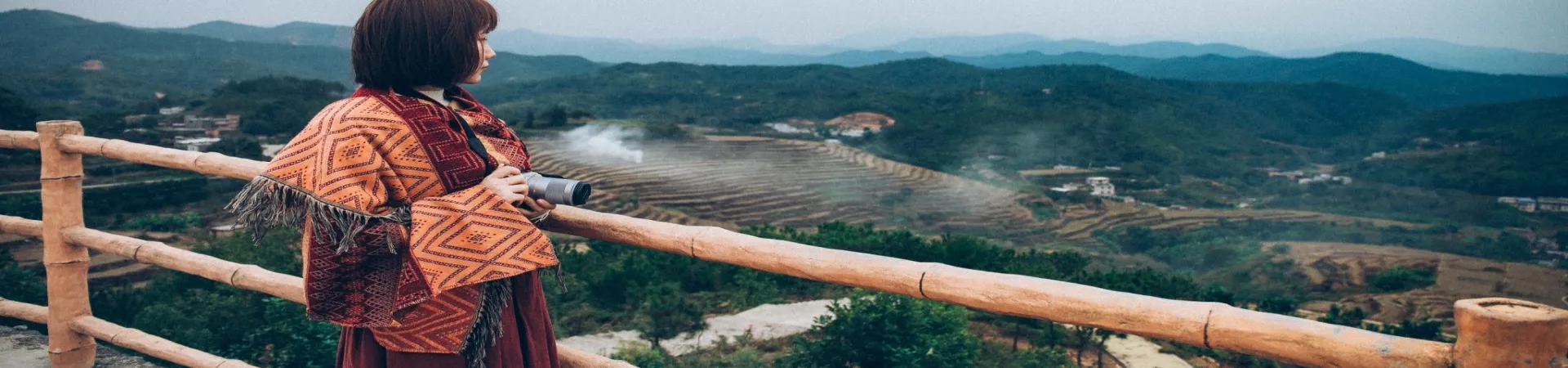
Subtitle: A Journey Through Time and Terraces: Unveiling the Rural Majesty of Meizhou's Pingshan Terraces
1. Introduction: The Layered Landscape of Eastern Guangdong
Nestled within the lush, rolling hills of Meizhou City in Guangdong Province, the Pingshan Terraced Fields (坪山梯田) stand as a monumental testament to human ingenuity and harmonious coexistence with nature. Far more than just an agricultural site, this expansive landscape is a living canvas, a cultural artifact, and a breathtaking destination that offers visitors a profound escape into the rhythmic beauty of rural China. Unlike the dramatic, soaring terraces of Yunnan or Guangxi, Pingshan presents a uniquely serene and orderly beauty, its lines carved gracefully into the gentle mountainous terrain of eastern Guangdong. A visit here is not merely sightseeing; it is an immersion into a centuries-old way of life, where the cycles of planting and harvest paint the hills in an ever-changing palette of colors.
2. The Essence of Pingshan: A Tapestry of Nature and Culture
2.1. A Symphony in Lines and Curves The core allure of Pingshan lies in its breathtaking topography. Thousands of terraced fields cascade down the mountain slopes like giant stairways to the sky. These terraces, built meticulously by the local Hakka people over generations, follow the natural contours of the land, creating a mesmerizing geometric pattern that soothes the soul. The sight is one of both grand scale and intricate detail, where water channels glisten in the sun and the borders between plots form elegant, flowing lines.
2.2. The Changing Palette of the Seasons Pingshan’s beauty is dynamic, transforming dramatically with each season, making it a year-round destination. * Spring: The fields are filled with water, reflecting the sky and clouds like countless mirrors scattered across the mountainside. This is a time of renewal and stunning photographic opportunities, especially at sunrise and sunset. * Summer: A vibrant, lush green blankets the terraces as rice seedlings grow vigorously. The air is fresh, and the landscape pulses with life and vitality. * Autumn: This is arguably the most spectacular season. The rice ripens into a glorious sea of golden yellow, creating a warm, radiant, and awe-inspiring vista that symbolizes abundance and reward. * Winter: After the harvest, the fields may reveal their rich, earthy brown soil. In some years, crops like rapeseed are planted, promising early spring blossoms. The structure of the terraces themselves becomes more pronounced, offering a different, more architectural perspective.
2.3. The Hakka Cultural Backdrop The terraces are inseparable from the Hakka culture. The Hakka people, known as "guest families," are renowned for their resilience, community spirit, and profound connection to the land. The very existence of these terraces speaks to their hard work and wisdom in sustainable mountain farming. Visitors may encounter local farmers tending their plots, offering a glimpse into enduring traditions. The nearby villages, with their distinctive Weilongwu (enclosed dragon) and Tulou (earthen building) architectures, further enrich the cultural experience, telling stories of clan cohesion and defense.
3. Practical Information for Your Visit
3.1. Admission and Operating Hours * Admission Fee: A standard ticket is priced at 30 RMB per person. This fee contributes to the maintenance and preservation of this cultural landscape. * Operating Hours: The opening hours vary slightly by season to maximize daylight and visitor experience. * Summer Period (June 1 - August 31): The area is open from 08:00 to 17:45, with last admission at 17:30. * Winter Period (December 1 - February 28/29): Hours are from 08:00 to 17:30, with last admission at 17:00. * It is always advisable to confirm times locally, as they may be adjusted for weather or special events.
3.2. Contact Information For inquiries regarding group visits, current conditions, or special arrangements, you can contact the management at: * Landline: 0753-5711833 * Mobile: 13824597335
4. Planning Your Experience: Tips and Highlights
4.1. Optimal Viewing Points and Photography To fully appreciate the scale and beauty of the terraces, seeking out the designated viewing platforms is essential. These vantage points, often located on higher ground or opposite the terraced slopes, provide panoramic views. For photographers, the hours around dawn and dusk offer the most magical light, softening the landscapes and creating long, dramatic shadows that accentuate the lines of the terraces. A telephoto lens can capture beautiful details of the layered patterns, while a wide-angle lens is perfect for vast landscape shots.
4.2. Suggested Activities and Exploration * Leisurely Hiking: Well-maintained paths and stone steps wind through and around the terraces. A leisurely walk allows you to experience the landscape at a human pace, hear the sounds of water and nature, and observe farming activities up close. * Cultural Interaction: Visit the nearby traditional Hakka villages. Engaging respectfully with local residents or learning about their architectural heritage adds immense depth to the journey. * Local Cuisine: Do not miss the opportunity to taste authentic Hakka food. Dishes like salt-baked chicken, stuffed tofu, and pickled vegetables are flavorful and deeply connected to the local land and history.
4.3. Travel Considerations and Sustainability * Best Time to Visit: While beautiful year-round, late September to October for the golden harvest, and April to May for the reflective "mirror" fields, are particularly popular. * Getting There: Pingshan Terraces are located in Dapu County, Meizhou. Access typically involves driving or taking a bus from Meizhou city center. The final approach may involve rural roads, so planning your transport in advance is recommended. * Respectful Tourism: As a working agricultural landscape and a cherished home, it is crucial for visitors to stay on designated paths, not to trample on crops, dispose of waste properly, and be respectful and quiet in village areas. Preserving the tranquility and integrity of Pingshan ensures it remains a treasure for generations to come.