China Hakka Museum
Subtitle: A Journey Through the Heart of the Hakka World
1. Introduction: The Gateway to the Hakka Civilization
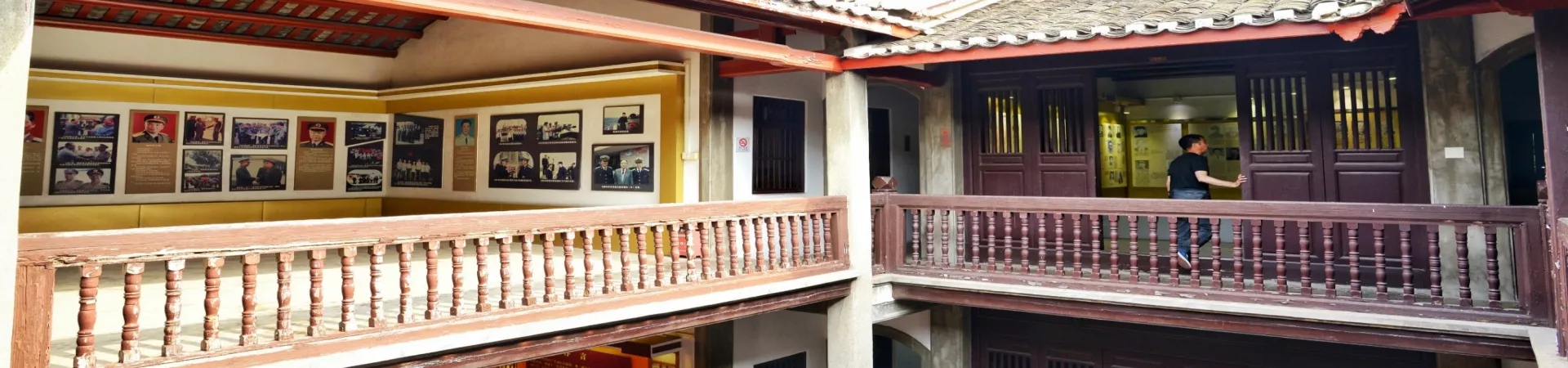
Nestled in the urban heart of Meizhou, a city revered globally as the "Capital of the Hakka People" in Guangdong Province, China, stands the China Hakka Museum. Far more than a simple repository of artifacts, this institution serves as a comprehensive cultural epicenter dedicated to the preservation, scholarly research, and dynamic presentation of the profound and extensive history of the Hakka people. It functions as a vital gateway for visitors from around the world to immerse themselves in the unique narrative of this influential yet historically migratory Han Chinese subgroup. The museum complex is an expansive cultural precinct, comprising the main Hakka Museum building alongside several significant satellite galleries and institutions, including the Huang Zunxian Memorial Museum, the Meizhou University Presidents' Hall, the Meizhou Generals' Hall, the Meizhou Overseas Chinese Museum, the Hakka Plaque Hall, the Meizhou Celebrity and Honest Officials Hall, an Exhibition Center, and the editorial office for the "Hakka Culture and Museum" magazine. This integrated approach allows for a multifaceted exploration of Hakka heritage from various social, historical, and personal perspectives.
2. Architectural and Curatorial Scale
The main museum building itself is a significant architectural presence, covering a land area of approximately 5,984.7 square meters with a total floor space of 12,000 square meters. This substantial scale provides the necessary canvas for its ambitious and detailed permanent exhibition. The museum's design and layout facilitate a logical and engaging visitor journey, moving from broad historical origins to specific cultural expressions and contemporary achievements.
2.1. The Core Narrative: The "Hakka People" Permanent Exhibition
The heart of the visitor experience is the meticulously curated permanent exhibition titled "The Hakka People." This thematic display is systematically organized into five coherent and interconnected sections, each designed to answer fundamental questions about Hakka identity and contribution.
2.1.1. Section 1: Origins – "Where Do the Hakkas Come From?" This foundational section addresses the central question of Hakka ancestry and migration. It traces the epic southward migrations through China's history, particularly during periods of war and turmoil in the Central Plains. Using historical maps, genealogical records, migration route simulations, and archaeological findings, it vividly illustrates the arduous journeys undertaken by the Hakka ancestors. This section sets the stage by explaining the very meaning of "Hakka" (Kejia, 客家), which literally translates to "guest families," a name derived from their historical status as migratory settlers.
2.1.2. Section 2: Customs – "The Customs and Folkways of the Hakka" Here, the exhibition transitions from historical movement to the living culture that developed in their new southern homelands. This immersive section showcases the rich tapestry of Hakka daily life, traditions, and social practices. Displays may include traditional Hakka attire, particularly the iconic and practical clothing suited for labor and mobility, intricate silver jewelry, and artifacts related to life-cycle rituals from birth to marriage. The section also delves into unique folk arts, traditional music such as Hakka hill songs, and festive celebrations, painting a picture of a resilient community that preserved and adapted its customs.
2.1.3. Section 3: Dwellings – "Architectural Landmarks: The Tulou and Weilongwu" This segment is dedicated to one of the most iconic aspects of Hakka culture: their distinctive communal architecture. It features detailed models, architectural diagrams, and photographs of the famous Fujian Tulou (earthen structures) and the Guangdong Weilongwu (dragon-shaped roundhouses). The exhibition explains the ingenious defensive, social, and climatic design principles behind these structures, which were built to house entire clans. They stand as monumental symbols of Hakka unity, self-sufficiency, and ingenious adaptation to their environment, and their UNESCO World Heritage status is often highlighted.
2.1.4. Section 4: Culture – "A Region of Cultural Refinement" Moving beyond material culture, this section celebrates the intellectual and artistic achievements of the Hakka people. It emphasizes the deep Confucian value placed on education and scholarly pursuit, a cornerstone of Hakka identity despite their migratory past. Exhibits honor renowned Hakka intellectuals, writers, poets (like the celebrated Huang Zunxian, who has a dedicated memorial hall nearby), artists, and philosophers. It explores the Hakka dialect, its literature, and the community's enduring emphasis on literacy and cultural refinement, which produced an outsized number of scholars and officials throughout history.
2.1.5. Section 5: Spirit and Modernity – "The Soaring of the Hakka" The final thematic section connects the historical legacy to the modern era. It explores the defining Hakka spirit—characterized by hard work, perseverance, frugality, patriotism, and innovation—that propelled the community's success. The exhibition then highlights the significant global diaspora of the Hakka people, particularly their roles in Southeast Asia and beyond as entrepreneurs, community leaders, and revolutionaries (with figures like Sun Yat-sen being of Hakka heritage). It showcases their contributions to modern China's and the world's economic, political, and social development, demonstrating how the Hakka spirit continues to drive progress.
3. Practical Visitor Information
To facilitate a seamless visit, the museum provides the following essential details:
3.1. Location and Transportation The museum is situated within the Hakka Park in Meizhou City. Visitors can easily reach it by public bus. Key bus routes serving the "Hakka Park" bus stop include numbers 1, 6, 17, 58, and 73. Alighting at this stop requires only a short walk to the museum entrance.
3.2. Admission and Hours Admission to the China Hakka Museum is free of charge, making it an accessible cultural resource for all. The opening hours are as follows: * Tuesday to Sunday: 9:00 AM to 5:00 PM. Last admission is at 4:30 PM. * Monday: Open all day (with the same operational hours, though it is advisable to confirm this locally as Monday openings can sometimes vary for maintenance). These hours apply throughout the year, from January 1st to December 31st.
3.3. Suggested Visit Duration To fully appreciate the depth and breadth of the main exhibition and to explore the surrounding park and satellite halls at a comfortable pace, a visit duration of approximately 1 to 3 hours is recommended.
4. The Integrated Cultural Experience
A visit to the China Hakka Museum is not confined to the main building. The presence of the specialized satellite halls, such as the one dedicated to the reformist poet and diplomat Huang Zunxian, or the halls honoring Meizhou's military leaders, university founders, and overseas Chinese benefactors, allows for a deeper, personalized exploration. The surrounding Hakka Park offers a serene environment for reflection. Together, they transform the museum from a simple exhibition space into a living campus of Hakka studies, where history, architecture, personal stories, and cultural pride converge to offer a definitive and enriching encounter with the enduring legacy of the Hakka people.