Maoming Museum
Subtitle: A Cultural Gateway to Maoming's Rich Heritage and Natural History
1. Introduction: The Heart of Maoming's Cultural Identity
Nestled within the vibrant city of Maoming in Guangdong Province, the Maoming City Museum stands as a cornerstone institution dedicated to preserving and interpreting the region's profound historical lineage and distinctive cultural essence. Far more than a mere repository of artifacts, the museum serves as a dynamic cultural gateway, offering visitors a comprehensive and engaging journey through time. It masterfully intertwines narratives of ancient geological wonders, centuries of human civilization, local artistic expressions, and the region's revolutionary modern industry. A visit here is essential for anyone seeking to move beyond the surface of Maoming's present-day landscape and understand the deep-rooted forces that have shaped its character. The museum's thoughtfully curated exhibitions provide context, foster appreciation, and create a meaningful connection between the past and the present for all who walk its halls.
2. Planning Your Visit: Essential Information
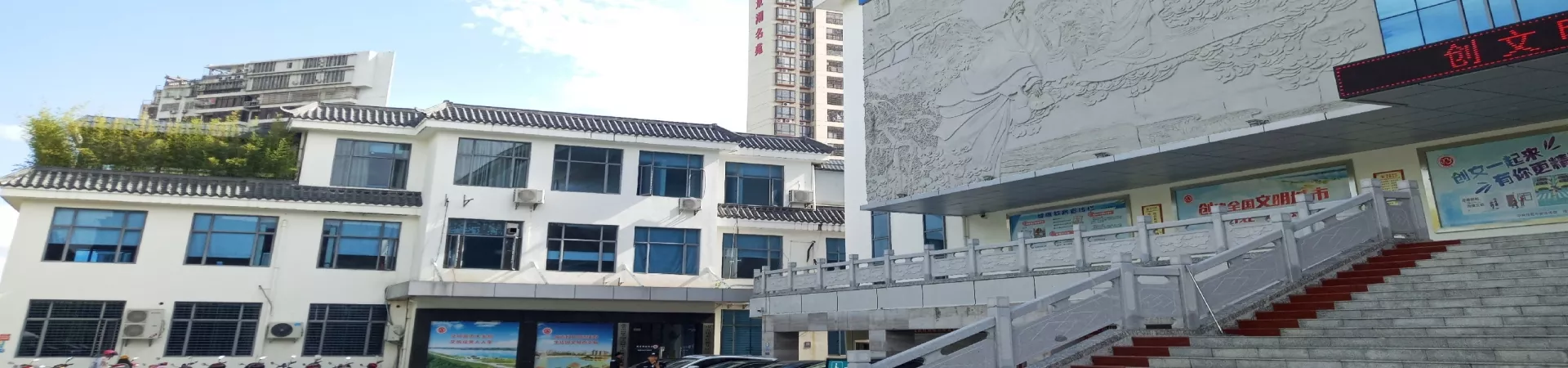
2.1. Location and Accessibility The Maoming City Museum is strategically located within the city's urban center, making it easily accessible by public transportation, taxi, or private vehicle. Its central position often places it near other civic buildings and parks, allowing for a convenient cultural addition to any day's itinerary in Maoming. Visitors are advised to check the latest local maps or navigation apps for the most precise directions and public transit routes from their point of origin.
2.2. Operating Hours and Admission The museum operates on a standard weekly schedule designed to accommodate both local and touring visitors. It is open to the public from Tuesday through Sunday, with two distinct visiting sessions per day. The morning session runs from 09:00 to 12:00, with last admission at 11:40. The afternoon session operates from 14:30 to 17:30, with last admission at 17:10. It is crucial for visitors to note that the museum is closed to the public on Mondays for maintenance and exhibition updates. These hours are consistent throughout the year, from January 1st to December 31st. Admission details, including any potential fees for special exhibitions or free-entry policies, should be confirmed directly with the museum prior to your visit.
2.3. Contact Information For inquiries regarding specific exhibitions, group visits, educational programs, or to verify any changes to the schedule, visitors can contact the museum directly. The primary contact telephone number is +86-668-2899355. Reaching out ahead of time is recommended for large groups or researchers with specific interests.
3. Exploring the Permanent Collections and Exhibits
3.1. The Petrified Forest and Natural History Hall One of the museum's most celebrated and unique exhibits is dedicated to the Maoming Petrified Forest. This section transports visitors back millions of years to the Oligocene Epoch, showcasing an impressive collection of fossilized tree trunks, stumps, and associated paleontological finds. The exhibits detail the ancient subtropical rainforest that once flourished in the area and the cataclysmic geological events that led to its remarkable preservation. Through detailed dioramas, informative panels, and spectacular specimens, this hall explains the scientific significance of the site and highlights Maoming's status as a world-class location for paleobotanical study.
3.2. The Archaeological and Historical Galleries This extensive section forms the core narrative of human activity in the Maoming region. The galleries are arranged chronologically, guiding visitors from evidence of prehistoric settlements through successive dynasties including the Qin, Han, Tang, Song, Ming, and Qing. * 3.2.1. Prehistoric and Ancient Artifacts: Displays feature Neolithic stone tools, pottery, and early evidence of agriculture, illustrating the dawn of civilization in the region. * 3.2.2. Imperial Era Showcases: Exhibits from the Han and Tang dynasties include bronze ware, ceremonial objects, coinage, and tomb artifacts, reflecting periods of economic prosperity and cultural integration. Porcelain from later dynasties demonstrates evolving craftsmanship and trade connections.
3.3. Folk Culture and Intangible Heritage Moving beyond artifacts, this vibrant section brings to life the living traditions of the Maoming people. It focuses on the intangible cultural heritage of the local communities, particularly the Hakk (Kejia) and other Han subgroups. * 3.2.3. Traditional Arts and Crafts: Exhibits may include intricate paper-cuttings, traditional embroidery, wood carvings, and ceremonial costumes, each with symbolic meaning and regional variation. * 3.2.4. Festival and Ritual Displays: The museum recreates scenes from important local festivals, explaining customs, folk beliefs, music, and dance that continue to play a vital role in community life.
3.4. The Modern Maoming Narrative No account of Maoming is complete without addressing its transformative modern history, centered on the oil shale industry. This gallery documents the city's rise as a significant industrial center in the 20th century. * 4.1. Oil Shale Industry Legacy: Historical photographs, documents, machinery models, and personal accounts tell the story of the discovery and exploitation of the oil shale deposits, which earned Maoming the nickname "The Southern Oil City." It explores the economic boom, the lives of workers, and the city's national strategic importance. * 4.2. Urban Development and Contemporary Society: The narrative extends to the post-industrial era, showcasing Maoming's urban planning, environmental initiatives, and its evolution into a modern, diversified city. This section connects the historical journey directly to the cityscape visitors see today.
4. Enhancing the Visitor Experience
4.1. Educational Programs and Guided Tours The Maoming City Museum actively engages with schools and the public through a variety of educational initiatives. These may include lectures by historians and archaeologists, hands-on workshops for children (such as pottery or fossil-casting activities), and themed cultural events, especially during national holidays or festivals. While walk-in viewing is always an option, inquiring in advance about the availability of scheduled guided tours or audio guides in English is highly recommended for a more in-depth understanding of the collections.
4.2. Museum Amenities and Facilities To ensure a comfortable visit, the museum typically offers standard public amenities. These include clean restroom facilities, a designated lobby or seating area, and often a museum gift shop. The gift shop provides an opportunity to take home a memory, offering souvenirs ranging from postcards and books on local history to replicas of famous artifacts and locally made crafts. For the preservation of the collections, visitors are reminded to follow museum rules, which generally prohibit the use of flash photography in gallery spaces and require food and drinks to be consumed only in designated areas.