Taibai Tomb
Subtitle: The Resting Place of a Poet Immortal: A Journey to Taibai Tomb in Ma'anshan
Introduction: The Lure of a Literary Pilgrimage
Nestled within the verdant embrace of Mount Dangtu in Ma'anshan City, Anhui Province, lies a site of profound cultural resonance—the Taibai Tomb, the final resting place of Li Bai (701-762), one of China's most celebrated and romantic poets. Revered as the "Poet Immortal" (诗仙, Shixian), Li Bai's verses, characterized by their boundless imagination, love for nature, and free-spirited exuberance, have captivated readers for over a millennium. A visit to his tomb is more than a simple historical excursion; it is a pilgrimage into the heart of Chinese poetic tradition, an opportunity to walk in the footsteps of a legend whose words continue to echo through the ages. The site, also known as the "Qing Tomb" for its serene surroundings, offers a tangible connection to the Tang Dynasty's golden age of poetry, inviting visitors to reflect on the enduring power of art and the man who became its most iconic voice.
The Historical and Cultural Significance of the Site
The Poet and His Legacy Li Bai's life was as dramatic and wandering as his poetry. Born in Central Asia and raised in Sichuan, he spent much of his life traveling across China, serving briefly as a court poet, and indulging in wine and camaraderie with fellow literati like Du Fu. His death, shrouded in romantic legend, is said to have occurred in nearby Dangtu. Folklore famously recounts that he drowned in a river while attempting to embrace the moon's reflection, a tale perfectly befitting his passionate and lyrical spirit. His initial burial was humble, but his fame ensured that his grave would later be transformed into a site of veneration.
Evolution of the Tomb Complex The current tomb and its accompanying memorial hall were primarily constructed and restored during the Ming and Qing dynasties, reflecting the enduring respect held for Li Bai by subsequent generations. The site was significantly expanded and renovated in the 20th century, transforming it into the comprehensive cultural park it is today. It stands not merely as a gravesite but as a centralized monument to Li Bai's life and work, incorporating traditional garden aesthetics, architectural elements from various periods, and a wealth of calligraphic treasures. The complex serves as a focal point for scholarly research, cultural exchange, and public appreciation of classical Chinese poetry.
Exploring the Taibai Tomb Scenic Area
Architectural Layout and Key Structures The tomb complex is meticulously arranged along a central axis, guiding visitors through a journey of remembrance and appreciation. The entrance sets a solemn tone, leading to a series of halls and courtyards.
- The Memorial Hall (纪念馆): This hall often serves as the introductory space, housing exhibitions on Li Bai's life, his major travels, and his literary achievements. Portraits, historical texts, and modern interpretations provide context before one approaches the tomb itself.
- The Tomb Proper (李白墓): The core of the site is the grass-covered tumulus, a simple yet dignified earthen mound marked by a stone stele inscribed with "The Tomb of Li Taibai." The simplicity of the grave is poignant, standing in quiet contrast to the grandeur of his poetic legacy. Surrounded by stone railings and ancient trees, the area encourages contemplation.
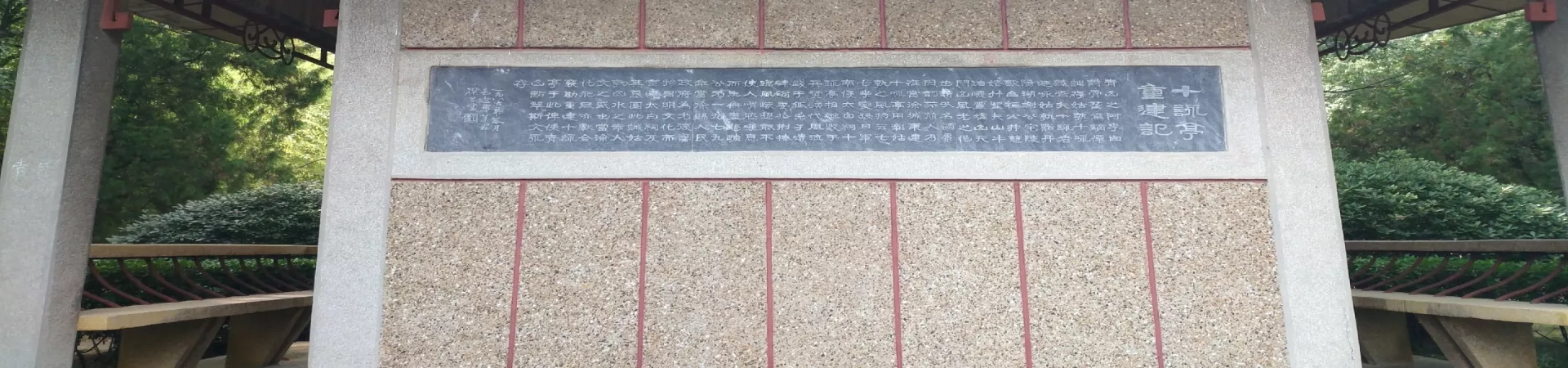
- Ancillary Pavilions and Gardens: Scattered throughout the grounds are pavilions, corridors, and stone tablets (碑刻, beike) engraved with Li Bai's most famous poems, often in the distinctive calligraphy of noted artists. A small pond or stream is typically part of the landscape, referencing the natural imagery prevalent in his work and the legendary circumstances of his death. These elements blend architecture with nature, creating a peaceful environment for reflection.
Artistic and Literary Treasures Beyond the architecture, the site is an open-air museum of calligraphy. The numerous stone tablets feature poems like "Quiet Night Thought" (《静夜思》) or "Drinking Alone under the Moon" (《月下独酌》) carved in various scripts, each offering a visual interpretation of the verse. These inscriptions, contributed by scholars and artists across centuries, represent a continuous dialogue with Li Bai's genius, adding layers of cultural depth to the visit.
Practical Information for Visitors
Location and Accessibility The Taibai Tomb is located in Tai Bai Town, Dangtu County, under the administration of Ma'anshan City. Ma'anshan itself is well-connected, situated in eastern Anhui near the border with Jiangsu Province. It is accessible via high-speed rail (with stations in Ma'anshan or nearby Nanjing), highway, and air (through Nanjing Lukou International Airport). From Ma'anshan city center, visitors can reach the tomb by taxi, ride-hailing services, or local tourist buses. The journey offers glimpses of the scenic Yangtze River Delta countryside.
Visiting Details and Planning Your Trip
- Contact Information: For specific inquiries, visitors can contact the scenic area at 0555-6683504.
- Opening Hours: The site operates with seasonal variations. From May 1st to October 7th, hours are typically 8:00 AM to 5:30 PM. From October 8th to April 30th of the following year, hours are usually 8:00 AM to 5:00 PM. It is crucial to note that these hours are subject to change based on management decisions or special circumstances. Visitors are strongly advised to verify the exact opening times on the day of their visit by checking official notices at the景区 or confirming via their contact phone to avoid any inconvenience.
- Suggested Experience: To fully appreciate the atmosphere, allocate at least 2-3 hours for your visit. Early mornings or weekdays may offer a quieter experience. Reading a few of Li Bai's poems beforehand will greatly enrich the context. The surrounding Mount Dangtu area also offers additional natural scenery for those wishing to extend their outing.
The Enduring Atmosphere: A Final Reflection Standing before the Taibai Tomb, one is struck by the harmonious silence that pervades the space—a silence filled with the unspoken words of countless admirers and the lingering spirit of the Poet Immortal himself. The rustle of leaves in the ancient trees seems to whisper his verses, and the play of light on the stone tablets illuminates characters penned over a thousand years ago. It is a place where history, literature, and landscape converge, offering a powerful reminder of how a single individual's creative output can transcend time, geography, and language. A visit here is not just about seeing a historical monument; it is about feeling the enduring presence of Li Bai, an experience that leaves a lasting impression on the heart and mind of every literary traveler.