Putang, Ma'anshan
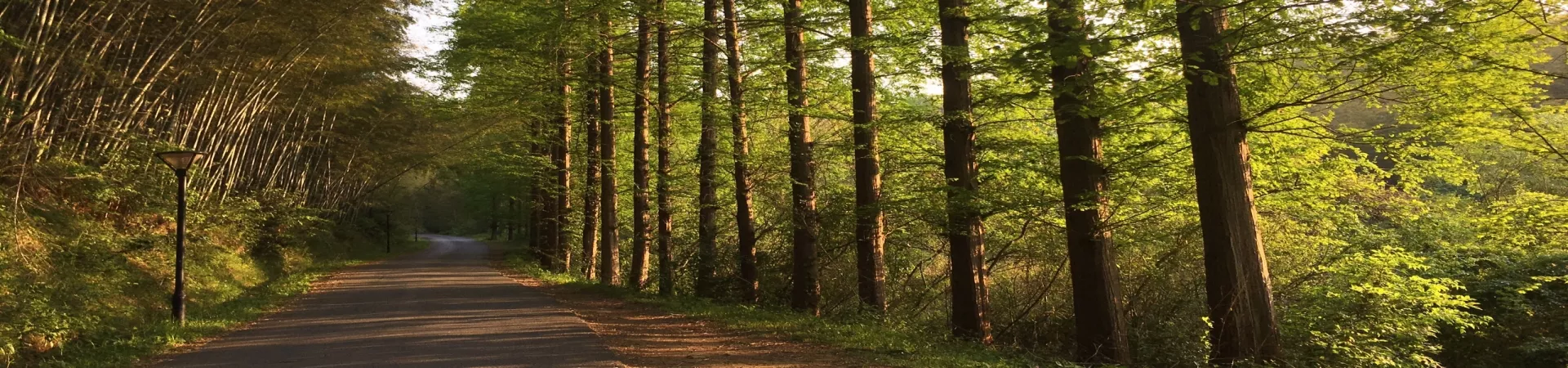
Subtitle: A Verdant Escape on the Outskirts of Ma'anshan
1. Introduction to Putang Natural Scenic Area
Nestled in the eastern hills of Ma'anshan City in Anhui Province, the Putang Natural Scenic Area offers a refreshing retreat into a world of serene landscapes and lush greenery. Encompassing approximately 20 square kilometers, this scenic zone is characterized by its undulating topography—a captivating tapestry of overlapping peaks, deep ravines, and dense forests. It stands as a vital green lung and a premier destination for nature lovers, hikers, and those seeking a peaceful respite from urban life within the Jiangnan region. The area's rich biodiversity and well-preserved ecological environment make it a valuable natural asset, providing visitors with an immersive experience in a classic Chinese mountainous landscape.
2. The Natural Landscape and Ecological Features
2.1. Topography and Geology The foundation of Putang's beauty lies in its complex terrain. The area boasts an impressive count of 49 peaks of varying sizes and 53 winding gullies and valleys. This rugged topography creates a dynamic landscape full of visual interest, with vistas changing at every turn. The interplay of rock formations, carved by time and elements, and the thriving plant life that blankets them results in a scene of harmonious natural beauty.
2.2. Flora and Plantations Putang is a haven of verdancy. The core of its ecosystem is a vast 18,000-acre forest, a majestic canopy of trees that creates a cool, shaded environment perfect for exploration. Complementing this are expansive 5,000-acre bamboo groves, where tall, graceful bamboos sway gently in the breeze, creating a characteristically tranquil and poetic atmosphere. Additionally, the region features 350 acres of tea plantations, adding a cultural and agricultural layer to the scenery. Botanists and casual visitors alike can appreciate over 300 species of plants that call this area home, contributing to its ecological richness and seasonal color palette.
2.3. Water Systems Water is a life-giving element throughout the scenery. The area is dotted with 8 reservoirs and an astonishing 290 ponds and small dams. These water bodies mirror the surrounding forests and skies, enhancing the scenic beauty and providing habitats for local wildlife. They also serve as serene spots for contemplation and photography, their placid surfaces offering a contrast to the rugged hills.
3. Visitor Information and Logistics
3.1. Operating Hours The scenic area is open to visitors daily. * Opening Hours: 08:30 - 17:00 * Last Admission: 17:00 These hours are consistent throughout the year, from January 1st to December 31st.
3.2. Contact Information For inquiries regarding visits, facilities, or conditions, you can contact the scenic area at: +86 555 8888626.
4. Transportation Guide to Putang
Reaching Putang is straightforward, with options ranging from public buses to taxis.
4.1. By Public Bus Ma'anshan's bus network provides several routes that connect the city center and major hubs to the Putang area. Key bus routes include: * Bus 7 (游2): This is a direct tourist line running from the Ma'anshan Railway Station to the Putang Scenic Area (濮塘风景区), making it one of the most convenient options for visitors. * Bus 16: Departs from Yushan Seventh Village (雨山七村) and terminates at Putang (濮塘). Other useful routes that pass through or near relevant transfer points include Bus 1, 2, 3, 5, 6, 10, 13, 14, 18, 19, 21, 23, 105, 108, 109, 115, 117, and 120. Note that routes 11 and 12 are temporarily suspended. Always check the latest bus schedules and destination boards.
4.2. By Taxi Taxis offer a flexible and highly convenient alternative, especially for small groups or direct travel. Ma'anshan is a compact city, making taxi fares very reasonable. * Fare Structure: The standard flag-fall rate is 5 RMB for the first 3 kilometers for models like Xiali or Alto, increasing to 6.6 RMB at night. After the initial distance, the rate is 1.2 RMB per kilometer. * Sample Cost: Given the city's size, a taxi ride from the main railway station to southern attractions like the Caishi Scenic Area typically costs only around 10-15 RMB. A trip from the city center to the vicinity of Putang would generally be slightly more than the base fare, remaining an affordable option for door-to-door service.