Li Bai's Tomb
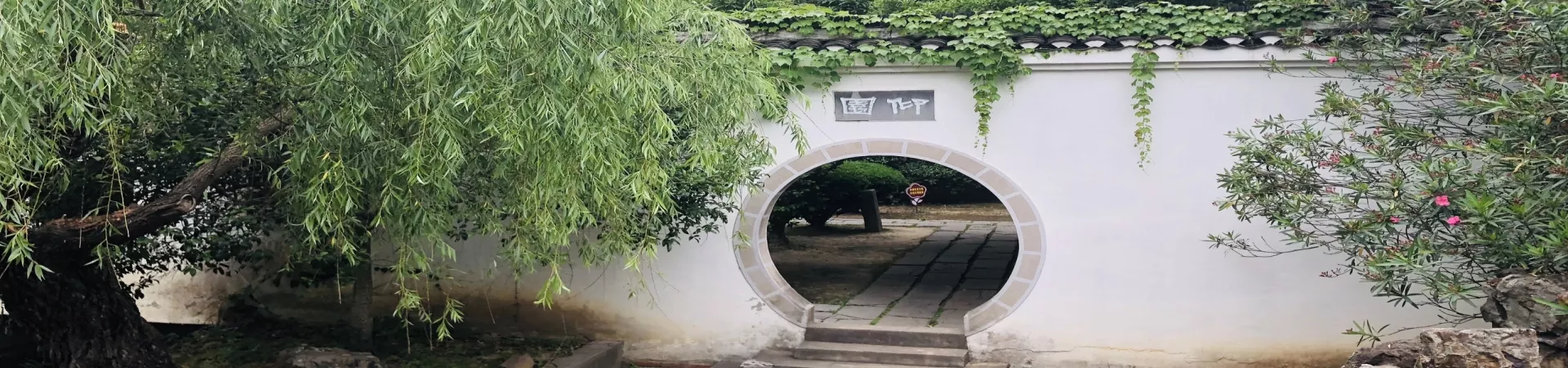
Subtitle: A Pilgrimage to the Final Resting Place of China's Immortal Poet
1. Introduction: The Journey to Qing Shan
Nestled amidst the serene, rolling hills of Qing Shan (Green Mountain) in Dangtu County, Ma'anshan City, lies a site of profound cultural and literary significance: the Tomb of Li Bai (Li Bai Mu). For lovers of Chinese poetry, history, and classical culture, a visit here is less a simple tourist excursion and more a pilgrimage. This is the final resting place of Li Bai (701–762 AD), arguably China's most celebrated and romantic poet, whose verses have echoed through the centuries, capturing the grandeur of nature, the melancholy of exile, the joy of wine, and the boundless freedom of the human spirit. The journey to this tranquil spot is a journey into the heart of the Tang Dynasty's golden age of arts.
2. Historical Context and Significance
2.1. The Poet and His Legacy Li Bai, also known as Li Po, was a central figure of the Tang Dynasty literary scene. Alongside his friend Du Fu, he elevated the shi form of poetry to unprecedented heights. His work, characterized by its vivid imagery, emotional intensity, and a touch of Taoist mysticism, earned him the nickname "Poet Immortal." His life was as dramatic as his poems—filled with travel, service (and disfavor) at the imperial court, and a lifelong quest for spiritual and artistic transcendence.
2.2. Why Ma'anshan? The Story of His Final Years Li Bai spent his later years moving through the Yangtze River region. He eventually came to Dangtu, drawn by the landscape and the companionship of a relative, Li Yangbing, who served as a local magistrate. According to historical records, Li Bai died in Dangtu in 762 AD. The original burial site was on nearby Longshan (Dragon Mountain). It was over half a century later, in 817 AD, that his remains were exhumed and reburied at the current, more auspicious location on Qing Shan, under the orders of another scholar-official, Fan Chuanzheng, who was a devoted admirer of the poet's work. This act of reverence solidified Qing Shan as the official and enduring memorial site.
3. Exploring the Tomb Complex
The present-day tomb complex is a beautifully maintained cultural park that encourages contemplation and reflection. The layout follows a traditional memorial structure, guiding visitors through a sequence of spaces that build towards the main tomb.
3.1. The Memorial Archway and Pathway The visit begins at a classical stone archway, marking the entrance to the sacred precinct. A long, tree-lined walkway leads inward, setting a tone of quiet respect and gradually distancing visitors from the modern world outside.
3.2. The Taibai Pavilion and Statue A key structure within the garden is the Taibai Pavilion. "Taibai" was another name for Li Bai, and this pavilion often serves as a focal point for gatherings and readings. Nearby, a majestic white marble statue of the poet stands, often depicted in a characteristic pose—holding a wine cup, gazing into the distance, his robes flowing as if caught by a mountain breeze. This statue embodies the romantic and untamed spirit for which he is beloved.
3.3. The Tombstone and Burial Mound The core of the site is the tomb itself. It is a simple, hemispherical earth mound faced with stone, radiating a dignified simplicity. The tombstone bears the inscription "Tang Li Taibai zhi mu" (Tomb of Li Taibai of the Tang Dynasty). The simplicity is poignant, reminding visitors that the true monument to Li Bai is not an ornate structure, but the vast collection of his poetry that continues to live and breathe. It is a tradition for visitors, especially students of literature, to circle the tomb as a sign of respect.
3.4. The Calligraphy Corridors and Stele Forest Surrounding the tomb area are corridors and pavilions housing a collection of stone steles. These are engraved with Li Bai's most famous poems, transcribed by calligraphers from various dynasties. This "forest of steles" is an art museum in itself, showcasing the interplay between sublime poetry and the visual art of Chinese calligraphy. It allows one to appreciate his words through the brushstrokes of countless admirers across history.
4. Practical Information for Visitors
4.1. Location and Access The Tomb of Li Bai is located in Tai Bai Town, Dangtu County, under the jurisdiction of Ma'anshan City, Anhui Province. Ma'anshan is well-connected by high-speed rail and highway. From Ma'anshan city center, visitors can take a taxi or a local bus to Dangtu, followed by a short taxi ride to the Qing Shan site.
4.2. Opening Hours and Admission The site is open daily from 8:30 AM to 5:00 PM, with last admission at 4:30 PM. It is advisable to check for any changes in hours during public holidays. Standard admission fees apply, but visitors should note the following special policy: * Special Acknowledgement: As a gesture of gratitude, until December 31, 2024, medical personnel who aided in the Hubei relief efforts can enjoy free admission by presenting their support certificate, professional license, and ID card.
4.3. Making the Most of Your Visit * Timing: Spring and autumn are ideal, offering pleasant weather and enhancing the beauty of the mountain scenery. * Preparation: Reading some of Li Bai's poems beforehand (such as "Quiet Night Thought," "Drinking Alone Under the Moon," or "Hard is the Road to Shu") will deeply enrich the experience. * Atmosphere: This is a place for quiet reflection. The ambiance is one of scholarly peace rather than bustling activity. * Contact: For the most current information, visitors can call 0555-6683504.
A visit to the Tomb of Li Bai is ultimately a personal encounter with history. Standing before the grassy mound on Qing Shan, one is connected to an unbroken chain of readers and admirers who, for over twelve hundred years, have found solace, inspiration, and joy in the immortal words of the Poet Immortal. The hills, the breeze, and the silent stones seem to whisper his verses, making this corner of Ma'anshan a timeless sanctuary for the human spirit.