Jilongshan National Forest Park
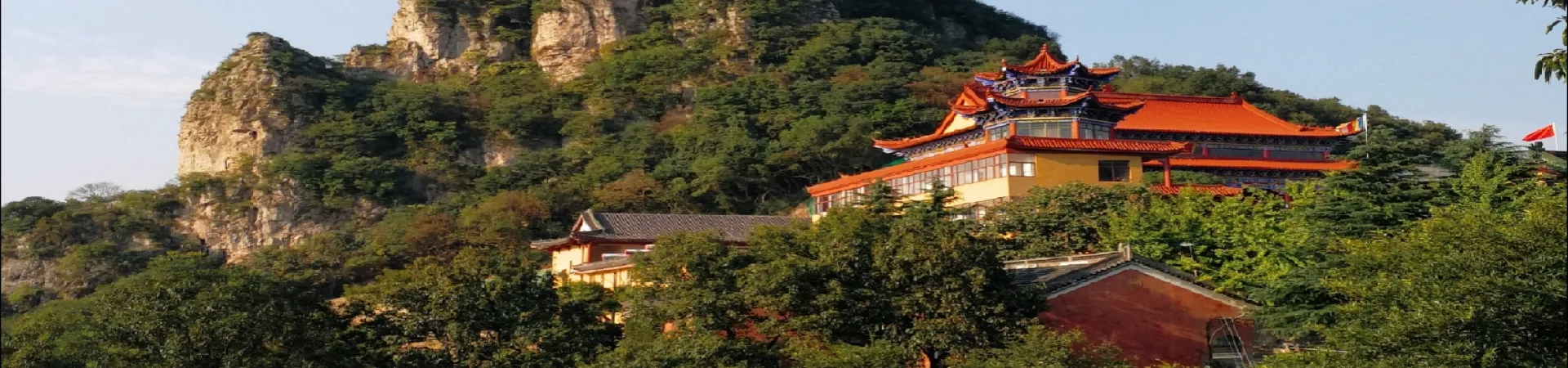
Subtitle: A Comprehensive Guide to Exploring the Natural Wonders of Jilongshan National Forest Park in Ma'anshan
1. Introduction: The Emerald of the Yangtze River Delta
Nestled within the administrative boundaries of Ma'anshan City in Anhui Province, Jilongshan National Forest Park stands as a verdant sanctuary and a premier ecological retreat in the heart of the Yangtze River Delta region. The park's name, "Jilongshan," which translates to "Chicken Cage Mountain," is derived from the unique, cage-like shape of its main peak, a distinctive silhouette that has captivated visitors for centuries. More than just a scenic area, it is a nationally recognized forest park, a designation that underscores its rich biodiversity, significant conservation value, and exceptional natural beauty. This guide aims to provide an in-depth exploration of the park, offering practical information and insights to help you plan an unforgettable journey into this realm of ancient trees, tranquil temples, and breathtaking panoramic views.
2. The Natural and Cultural Tapestry of Jilongshan
2.1. Geological Marvel and Ecological Haven The park's foundation is its fascinating geology. The primary peak, rising majestically, is composed of ancient volcanic rock formations, its steep cliffs and peculiar shapes telling a story of geological forces millions of years old. This rugged terrain creates diverse microhabitats, fostering an incredibly rich ecosystem. The park is renowned for its vast, well-preserved forest coverage, predominantly featuring dense stands of pine and bamboo that blanket the mountains in varying shades of green throughout the year. The air is famously fresh, ionized by the dense foliage and numerous water sources, making it a natural "oxygen bar" and a perfect escape from urban pollution.
2.2. A Walk Through History: Cultural and Religious Heritage Jilongshan's allure is not solely natural; it is deeply interwoven with human history and spiritual pursuit. For over a millennium, it has been a sacred site in Chinese Buddhism. The most prominent cultural landmark within the park is the Jilong Temple (鸡笼寺), also historically known as the "Fenglin Chan Temple" (凤林禅寺). Nestled on the mountainside, this ancient temple complex, with origins dating back to the Eastern Han Dynasty, exudes an aura of profound serenity. The architecture of its halls, the sound of chanting, and the scent of incense create a deeply peaceful atmosphere. Along the hiking paths, visitors may also encounter ancient stone inscriptions, pagodas, and other relics that whisper tales of pilgrims and scholars from dynasties past, adding a layer of cultural depth to the natural hike.
3. Planning Your Visit: Attractions and Activities
3.1. Key Scenic Areas and Viewpoints * The Summit of Jilong Peak: The ultimate challenge and reward. A hike to the top, often involving climbing a steep stone staircase famously known as the "Ladder of a Thousand Steps," leads to a small plateau on the summit. Here, you are greeted by the Wangjiang Pavilion (望江亭), a classic Chinese pavilion offering a literally breathtaking 360-degree panorama. On a clear day, the view encompasses the winding Yangtze River, the sprawling cityscape of Ma'anshan, the vast farmlands, and the silhouettes of distant mountains—a truly majestic sight. * The Forest Trails: A network of well-maintained trails crisscrosses the park, suitable for various fitness levels. Walking these shaded paths is an immersive experience, allowing for close encounters with the park's flora and fauna. Listen for birdsong, spot butterflies, and admire the play of sunlight filtering through the dense canopy. * The Three Gates Stone Arch (三石门): A remarkable natural rock formation, this arch is a popular photo spot and a testament to the erosive power of wind and water over eons.
3.2. Recommended Activities for Visitors * Hiking and Trekking: The primary activity. Choose from gentle walks around the temple area to the more strenuous ascent to the peak. Always wear appropriate footwear. * Photography: From macro shots of unique plants and insects to grand landscape photography at the summit, the park is a paradise for photographers, especially at sunrise or sunset. * Cultural Immersion: Participating in the quiet contemplation within the temple grounds, observing Buddhist ceremonies (if open and respectfully), and learning about the site's history offer a culturally enriching experience. * Picnicking and Relaxation: Designated areas allow visitors to enjoy a picnic amidst nature. The peaceful ambiance is also perfect for meditation, reading, or simply disconnecting.
4. Essential Practical Information for Travelers
4.1. Location and Transportation Jilongshan National Forest Park is located in the Heshan District of Ma'anshan City, approximately 30-40 kilometers from the city's downtown core. * By Public Transport: From Ma'anshan city center, you can take a long-distance public bus bound for Hexian County (和县) and alight at the Jilongshan stop. From there, local taxis or minibuses can take you to the park entrance. * By Private Vehicle/Taxi: Driving or hiring a taxi is the most flexible option. Navigate to "Jilongshan National Forest Park" (鸡笼山国家森林公园). Parking is usually available near the main entrance.
4.2. Operating Hours and Best Time to Visit * Operating Hours: The park's outdoor scenic areas are open 24 hours a day, every day of the week, throughout the entire year (from January 1st to December 31st, Monday through Sunday). This unique policy allows for extraordinary experiences like sunrise viewings from the summit. However, it is crucial to note that man-made facilities within the park, such as the Jilong Temple, souvenir shops, or visitor centers, will have their own specific daytime operating hours (typically from around 8:00 AM to 5:00 PM). Night hiking is permitted but should only be undertaken by experienced, well-equipped individuals due to the lack of lighting and potential safety hazards on the trails. * Best Seasons: Spring (April-May) brings pleasant temperatures and blooming flowers. Autumn (September-November) offers clear, crisp air and stunning foliage, making it arguably the ideal time for hiking and photography. Summers can be hot and humid, while winters are cold, with occasional beautiful frost or snow scenery.
4.3. Tickets and Suggested Duration * Entrance Fees: The park may charge an entrance fee. It is advisable to check the latest pricing information from official sources or travel platforms before your visit, as fees are subject to change. * Suggested Visit Duration: To fully appreciate the main sights, including the hike to the summit and a visit to the temple, allocate a minimum of 4-5 hours. A more leisurely exploration could easily fill an entire day.
4.4. Tips for a Safe and Enjoyable Trip * Footwear and Clothing: Sturdy, comfortable hiking shoes with good grip are non-negotiable for the often steep and uneven stone paths. Dress in layers according to the season. * Supplies: Carry sufficient water and high-energy snacks. Sun protection (hat, sunscreen) is essential, as is rain gear given unpredictable mountain weather. A basic first-aid kit is recommended. * Safety: Stay on marked trails at all times. Be aware of your physical limits, especially during the final ascent to the peak. If visiting outside of daylight hours, extreme caution, proper lighting, and companionship are mandatory. * Respect: As a cultural and natural heritage site, it is imperative to follow the principle of "Leave No Trace." Dispose of all trash properly, do not disturb wildlife or damage plants, and maintain a respectful demeanor within the temple precincts.