Zhangba Guiyuanlin Tourist Attraction
Subtitle: A Millennium-Old Lychee Grove and Ecological Sanctuary on the Yangtze River
1. Introduction to Zhangba Guiyuanlin Scenic Area
Nestled within Qiancao Subdistrict on the eastern outskirts of Luzhou City in Sichuan Province, the Zhangba Guiyuanlin (Zhangba Longan Forest) Scenic Area stands as a serene ecological oasis merely 7 kilometers from the urban center. Designated as a National AAAA-level Tourist Attraction, this expansive park covers over 1,000 acres (approximately 67 hectares), its lush greenery stretching for several miles along the landscape. The heart and soul of the area is its breathtaking collection of more than 15,000 ancient longan (also known as "guiyuan" or dragon eye) trees, most of which are over a century old. This remarkable forest took root in the late 19th century, creating a living historical tapestry that is both visually stunning and botanically significant. The scenic area is celebrated for its "Three Treasures": the Ancient Trees, the unique Yangtze River Stones, and the rare freshwater Craspedacusta sowerbii, or "Peach Blossom Jellyfish."
2. The Core Attractions and Ecological Significance
2.1. The Ancient Longan Forest and Germplasm Gene Bank The park's most defining feature is its vast, dense canopy of ancient longan and lychee trees, numbering in the tens of thousands. This forest is not merely a scenic wonder; it holds immense scientific value. It is recognized as the sole longan germplasm gene bank on the Chinese mainland, serving as a crucial reservoir for genetic diversity and research on this important fruit species. This unique status, coupled with its designation as Sichuan Province's only dedicated agricultural sightseeing base, allows visitors to appreciate the deep agricultural heritage of the region while walking among living antiquities.
2.2. The "Three Treasures" of Zhangba * Ancient Trees: The longan trees themselves, with their gnarled trunks and sprawling branches, create a majestic, shaded environment. They are a testament to nature's resilience and the area's favorable microclimate. * Yangtze River Stones: Scattered throughout the park or featured in dedicated displays are the distinctive "Yangtze River Odd Stones." Shaped and polished by the mighty river over millennia, these stones come in fascinating forms, textures, and colors, prized by collectors and geologists alike. * Peach Blossom Jellyfish (Craspedacusta sowerbii): In the clean, unpolluted waters of the park's ponds and the adjacent Yangtze River, visitors might be lucky enough to spot the elusive and endangered Peach Blossom Jellyfish. Often considered a "living fossil," their presence is a key bio-indicator of excellent water quality, highlighting the park's pristine ecological environment.
2.3. Biodiversity and Habitat Beyond the iconic longan trees, the park is a thriving habitat for diverse flora. The carefully managed landscapes include ornamental flowers,盆景 (penjing, Chinese miniature trees), and other fruit varieties. This rich plant life supports a variety of fauna, most notably serving as a habitat for egrets and other bird species. The sight of these graceful birds nesting and foraging among the ancient trees adds a dynamic and serene layer to the visitor experience.
3. Visitor Experience and Park Layout
The park is thoughtfully designed to facilitate immersion in its natural and cultural offerings, divided into several functional zones:
3.1. Main Scenic Touring Area This zone encompasses the core ancient forest, where well-maintained walking paths and trails allow for leisurely strolls under the cool, dense canopy. Interpretive signage provides insights into the trees' history, biology, and cultural significance.
3.2. Famous Fruits Street Area This section likely features local agricultural products, souvenirs, and opportunities to taste and purchase fresh longans, lychees, and other local specialties when in season, connecting visitors directly with the region's horticultural output.
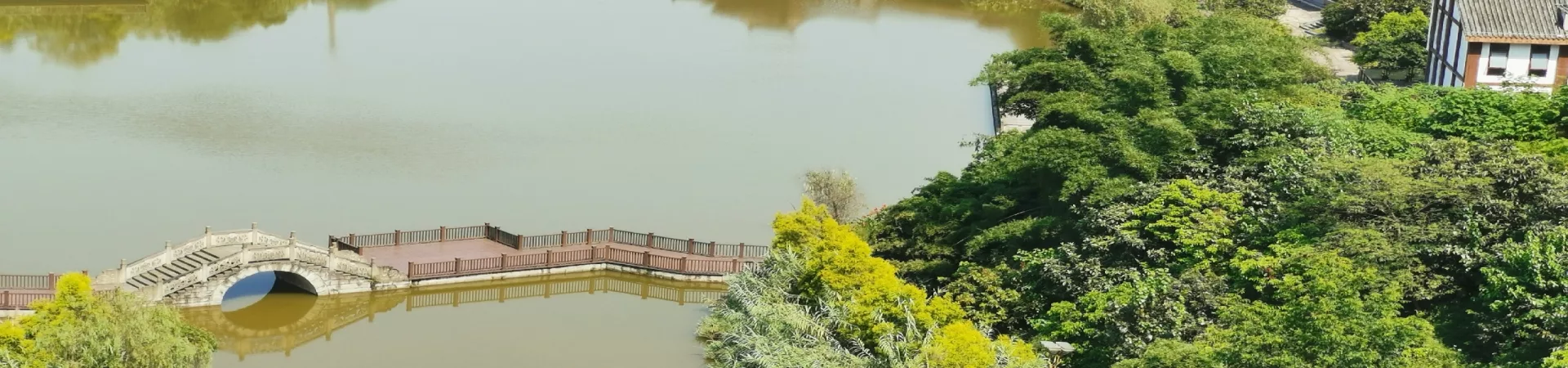
3.3. Tourist Vacation Zone & Botanical Garden Development The area includes facilities for extended stays and relaxation. A key feature here is the artificial lake, where visitors can enjoy activities such as fishing. The park management has ongoing plans for further development, aiming to transform the entire area into an even more comprehensive and comfortable natural botanical garden and holiday resort, enhancing accommodation and recreational amenities.
4. Practical Information for Visitors
4.1. Opening Hours The park is open 24 hours a day, every day of the year.
4.2. Ticketing For the most current information on admission fees, it is recommended to contact the scenic area directly prior to your visit.
4.3. Contact Information * Telephone: 0830-3322222; 0830-8566672
4.4. Transportation Guide * By Public Bus: From downtown Luzhou, take Bus No. 19 directly to the "Zhangba" stop. * By Car/Self-Driving: Starting from Luzhou city, take Lianjiang Road Section 3 onto Provincial Road S308. After passing Shunlongzui, enter Qiancao South Road, then turn onto Qiancao East Road, which leads directly to the scenic area.