Yaoba Ancient Town
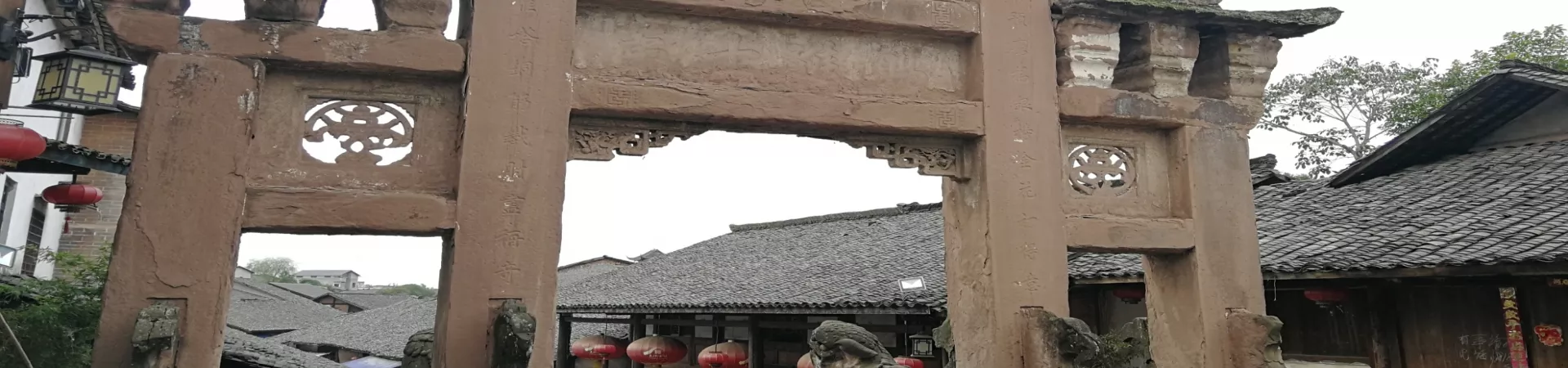
Subtitle: A Journey Through Time in Sichuan's Ancient Town
1. Introduction: Where Sichuan Meets Guizhou
Nestled in the unique geographical and cultural confluence of southern Sichuan and northern Guizhou, at approximately 105°42' East longitude and 28°45' North latitude, lies the captivating YaoBa Ancient Town. Strategically positioned along the Luzhou-Chishui highway, it offers remarkable accessibility, situated about 22 kilometers from Luzhou City, 37 kilometers from Hejiang County, and a mere 27 kilometers from Chishui City in Guizhou province. This location is not merely a point on a map but the very reason for its rich historical tapestry. The town serves as a living museum where the distinct cultures, histories, and ancient customs of Sichuan and Guizhou provinces have interwoven over centuries, creating a uniquely blended "Sichuan-Guizhou" character rarely found elsewhere in Western China. Beyond its historical charm, YaoBa is officially recognized as a renowned cultural town, a popular filming location, and a significant Buddhist sanctuary within the region.
2. Town Profile and Recognition
Administratively, YaoBa covers a total area of approximately 64 square kilometers, encompassing 19 administrative villages and 1 community, with a total population of around 30,000 residents. The core ancient town settlement itself spans about 1.2 square kilometers and is home to a permanent population of 6,000 people. This well-preserved hub is the heart of YaoBa's heritage. The town's significance is underscored by numerous official accolades. It holds titles such as the "Advanced Cultural Town of Sichuan Province," a "Pilot Town for Small Urban Construction in Luzhou City," a "Model Cultural Area of Sichuan Province," and most notably, a "Famous Historical and Cultural Town of Sichuan Province." These honors reflect its success in preserving its architectural heritage, maintaining vibrant cultural traditions, and achieving balanced modern development.
3. Exploring the Ancient Town: Key Attractions and Features
3.1. Architectural Heritage and Streetscapes Walking through YaoBa is akin to stepping back in time. The town's layout and architecture are a physical narrative of its past. The main street, paved with worn stone slabs, is flanked by rows of well-preserved Ming and Qing dynasty-style buildings. These structures, with their wooden frameworks, grey brick walls, upturned eaves, and intricate carvings, showcase the quintessential architectural aesthetics of the region. Notable features include ancient courtyards (siheyuan), towering gatehouses, and aged workshops. Each alleyway and courtyard tells a story, offering visitors a tangible connection to the town's mercantile and artisanal history.
3.2. Cultural Tapestry: Buddhism, Film, and Local Crafts YaoBa's cultural landscape is multifaceted. As a Buddhist sacred site, it houses ancient temples where incense has burned for generations, providing a space for tranquility and spiritual reflection. Simultaneously, its authentic and picturesque scenery has made it a favored backdrop for Chinese film and television productions, earning it the nickname "an open-air film studio." Furthermore, the town is a hub for traditional crafts. Visitors can observe or participate in the making of local specialties such as hand-pulled rice noodles, hand-woven bamboo ware, and distinctive local condiments, experiencing the living heritage firsthand.
3.3. The Market and Local Life The vibrant local market is the pulse of YaoBa. It is here that the fusion of Sichuan and Guizhou cultures is most palpable, from the dialects spoken to the unique local products on offer. Engaging with friendly vendors, sampling regional snacks like YaoBa tofu pudding or spicy dried beef, and observing the daily rhythms of life provide an immersive cultural experience that goes beyond sightseeing.
4. Practical Visitor Information
4.1. Admission and Opening Hours One of the most appealing aspects of YaoBa Ancient Town is its accessibility. Admission to the town is free of charge, allowing visitors to explore its streets, public squares, and external views of historical buildings without a ticket. The town is open to visitors daily from 08:00 to 17:30, throughout the year (January 1st to December 31st, Monday through Sunday). It is advisable to allocate a minimum of 3 hours for a thorough visit, though history and culture enthusiasts may easily spend half a day or more exploring its nuances, visiting small museums, or enjoying a leisurely meal.
4.2. Contact Information For specific inquiries or to arrange guided tours, visitors can contact the local tourism services via the following phone numbers: +86 18008217713 or +86 17341534634.
4.3. Suggested Itinerary and Tips A typical visit might start with a walk down the main historical street, visiting key landmarks like the old theater stage or a former merchant's residence. This can be followed by exploring a local temple for a moment of peace, then browsing the market for souvenirs and snacks. Wearing comfortable walking shoes is essential due to the ancient stone pathways. The town's beauty is accentuated in the soft light of early morning or late afternoon, making these ideal times for photography. As a destination steeped in local life, visitors are encouraged to wander slowly, interact respectfully with residents, and savor the authentic atmosphere of this remarkable borderland town.