Taiping Ancient Town
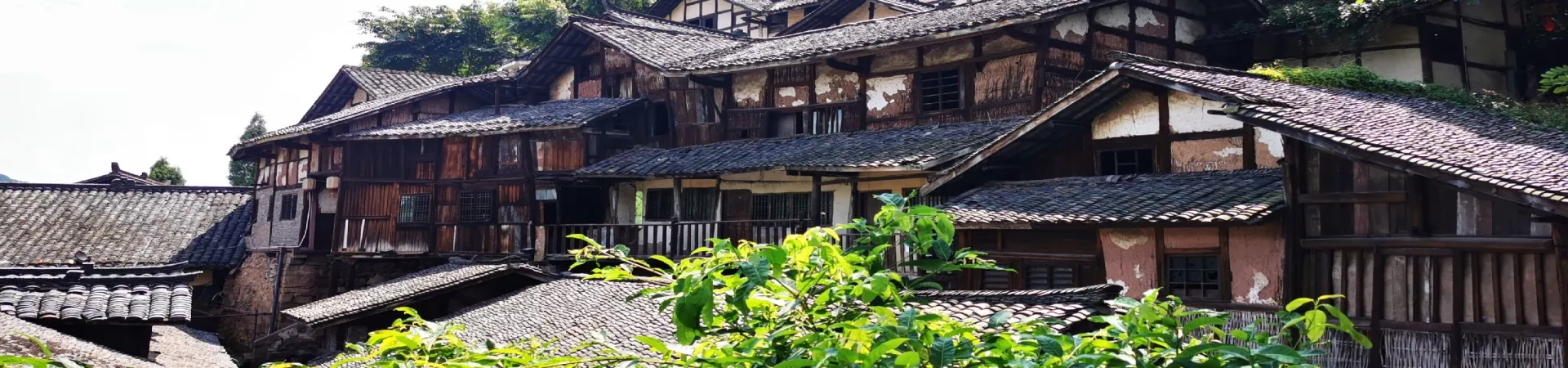
Subtitle: A Journey Through Time in Luzhou's Ancient Riverside Town
1. Introduction: The Enduring Allure of Taiping Ancient Town Nestled on the southern bank of the Chishui River in Gulin County, Luzhou City, Sichuan Province, lies Taiping Ancient Town, a settlement that whispers tales of a bygone era. More than just a collection of old buildings, Taiping is a living museum, a remarkably preserved relic of Ming and Qing dynasty architecture and a silent witness to pivotal moments in modern Chinese history. Its strategic location at the confluence of Sichuan, Guizhou, and Yunnan provinces shaped its destiny as a vital river port and a crucial hub during the Long March. For the discerning traveler seeking authenticity beyond China's bustling metropolises, Taiping offers an immersive experience where ancient flagstone pathways, traditional wooden structures, and the flowing river compose a serene yet profoundly historical narrative.
2. A Tapestry of History and Architecture 2.1. Architectural Heritage: A Walk Through Ming and Qing Dynasties The core of Taiping's charm lies in its exceptional state of preservation. The town is a textbook example of late Qing and early Republican period architecture, adapted perfectly to its mountainous riverside terrain. As you enter, you are greeted by a formidable stone gate, a testament to the town's historical need for defense. The main street, paved with massive, worn flagstones polished smooth by centuries of footsteps, winds its way along the contours of the hillside.
- Structural Character: The buildings are primarily wooden structures with elegantly upturned eaves, intricate wooden carvings adorning windows and door frames, and walls of wooden planks or bamboo-woven clay. A distinctive feature is the widespread use of "diaojiaolou," or stilted buildings, which are constructed on wooden pillars over the sloping ground or even the riverbank. This ingenious architectural solution creates a cascading visual effect, with houses stacked tier upon tier against the lush green hillside.
- Spatial Layout: The town's layout follows the organic, non-linear pattern typical of ancient settlements constrained by geography. Narrow, winding alleys branch off from the main street, leading to quiet courtyards, hidden temples, and family residences. Exploring these labyrinthine pathways feels like a delightful discovery, with each turn revealing a new vignette of traditional life and architectural detail.
2.2. A Crucible of Modern History: The Long March Legacy Taiping Ancient Town holds a sacred place in modern Chinese history due to its significant role during the Red Army's Long March (1934-1935). Following the pivotal Luzhou Conference, units of the Red Army crossed the Chishui River four times in a brilliant military maneuver known as the "Crossing of Chishui River." Taiping was a key site during these crossings.
- Historical Sites: This history is palpable throughout the town. Several well-preserved sites serve as poignant reminders:
- The Headquarters of the Red Army: The former command post has been maintained, allowing visitors to step into the rooms where strategic decisions were made.
- The Long March Memorial Museum: Housed within a traditional compound, the museum offers a comprehensive collection of artifacts, documents, and exhibits detailing the events of the crossings and the daily lives of soldiers.
- The Taiping Du Crossing Monument: Located by the river, this monument marks the exact spot where troops fiercely crossed the swift currents, commemorating their courage and sacrifice.
- Living Memory: This historical layer transforms Taiping from a mere architectural site into a place of pilgrimage and reflection. The juxtaposition of ancient Qing-era buildings with these revolutionary memorials creates a unique and powerful dialogue between China's imperial past and its revolutionary struggle.
3. The Visitor Experience: Immersion and Exploration 3.1. Navigating the Town: Sights and Sounds A visit to Taiping is best undertaken at a leisurely pace. The primary activity is simply to wander. Feel the texture of the ancient stones underfoot, listen to the mix of local dialect and the gentle flow of the Chishui River, and observe the daily rhythms of the residents who still call this place home. Many of the old shop fronts along the main street now house small family-run businesses, tea houses, and craft stalls, adding a gentle buzz of activity without the overwhelming commercialism found in more developed ancient towns.
3.2. Cultural Encounters and Local Flavors The town offers authentic cultural interactions. Engaging with local shopkeepers or elderly residents sharing stories on their doorsteps can be rewarding. For culinary explorers, Taiping provides a chance to sample traditional Sichuan fare with local characteristics. Look for dishes featuring river fish, locally produced preserved meats, and homemade bean curd. A simple meal in one of the riverside restaurants, with views of the water and the ancient townscape, is an experience in itself.
4. Essential Practical Information for Your Visit 4.1. Admission and Operating Hours * Admission Fee: There is no entrance fee to access Taiping Ancient Town itself. Visitors are free to explore its streets, alleys, and public historical spaces. * Operating Hours: The town is accessible to visitors 24 hours a day, every day of the year. The open-air nature of the historic district means you can stroll through it at any time. However, specific indoor attractions, most notably the Long March Memorial Museum and other curated historical exhibits, have their own operating schedules. It is highly advisable to check locally for their opening times, typically during standard daytime hours (e.g., 9:00 AM to 5:00 PM).
4.2. Contact Information and Verification For the most accurate and current information, particularly regarding the opening status of specific museums or scheduled maintenance, you may contact the local management: * Phone: +86 830 7400170 or +86 830 7400160. * Important Note: It is always recommended to verify all practical details, especially the hours of operated sites, through official channels closer to your visit, as information is subject to change.
4.3. Tips for an Optimal Visit * Footwear: Wear comfortable, sturdy walking shoes with good grip. The flagstone paths can be uneven and slippery, especially in damp weather. * Timing: To avoid crowds and experience the town's tranquil atmosphere, consider visiting on a weekday or during the shoulder seasons (spring and autumn). Early morning or late afternoon light provides excellent conditions for photography, highlighting the textures of the wood and stone. * Context: Having a basic understanding of the history of the Long March will greatly enrich your appreciation of the town's historical sites. Reading about the "Crossing of Chishui River" strategy beforehand is highly beneficial. * Combination Trip: Taiping Ancient Town is often visited in conjunction with other historical Long March sites in the surrounding Gulin area, allowing for a deeper thematic journey into this critical period of history.