Qingxi Valley Tourist Area • Huatian Liquor Scenic Area
Subtitle: A Journey Through Sichuan's Premier Wine Culture and Scenic Escape
1. Introduction to the Destination Nestled along the serene banks of the Qingxi River in Luzhou, the famed "City of Wine" in southern Sichuan, lies the monumental Qingxi Valley Tourism Area • Huatian Jiudi Scenic Spot. This ambitious project represents a visionary fusion of China's profound traditional liquor culture with comprehensive tourism, leisure, and ecological sustainability. Conceived as the nation's most expansive wine culture tourism complex to date, it spans a staggering 67 square kilometers with a total investment of 17 billion yuan. Under the exclusive development and operation of Luzhou Laojiao Cultural Tourism Investment Group, the area is meticulously crafted to offer an immersive, multi-faceted experience that goes far beyond conventional sightseeing.
2. The Grand Vision and Core Components The masterplan for Qingxi Valley is both vast and intricate, designed to create a self-contained world of culture, recreation, and nature. Its structure is organized around several key clusters that work in harmony.
2.1. The Heart of Culture: Wine Estates and Towns At the core of the experience are 99 distinct Chinese-style white liquor (Baijiu) manors. These are not merely showpieces; they are active centers for 2.1.1. Brewing and Tasting Experiences, where visitors can delve into the ancient art of Baijiu production, from fermentation to distillation, and savor the complex flavors of this iconic spirit. Complementing these estates are five themed wine towns, each offering unique architectural styles, hospitality, and cultural narratives, alongside three supporting market towns that provide essential services and local color. This ecosystem encapsulates the "Wine Manor Experience" and "Creative Services" pillars of the project.
2.2. Leisure, Sport, and Ecology Beyond the world of wine, the area caters to active relaxation and environmental consciousness. A dedicated 2.2.1. Mountain Sports Park offers trails for hiking and biking, adventure activities, and spaces to engage with the region's beautiful natural topography. Furthermore, an 2.2.2. Organic Ecological Cycle Farm demonstrates a commitment to sustainable practices, showcasing circular economy principles. It provides fresh, local produce and educates visitors on the synergy between agriculture and environmental stewardship, rounding out the "Leisure Sports" and "Circular Economy" aspects of the development.
3. Practical Visitor Information To fully enjoy the offerings of Huatian Jiudi within the broader Qingxi Valley, planning your visit with the following logistical details is essential.
3.1. Transportation Options Reaching the scenic area is straightforward, whether by public transport or private vehicle. * By Public Bus: From Luzhou city, visitors can take bus routes 138, 166, 167, or 158 to the Naxi Bus Company station. From there, a transfer to the Naxi—Dadu bus line will take you directly to the scenic spot. * By Car (From Chengdu): The drive from the provincial capital follows a clear highway route: Chengdu – Chengdu-Luzhou Expressway (G4215) – Chengdu-Chizhou Expressway – Chengdu-Chongqing Ring Expressway (G93) – exiting to Qingqu Road – which leads directly to the景区.
3.2. Operating Hours and Admission The scenic spot is open year-round to welcome visitors. * Daily Opening Hours: 08:30 – 17:00. * Last Admission: The final entry is at 17:00. It is advisable to arrive with sufficient time to explore the extensive grounds before closing. * Days of Operation: The site is open every day of the week, Monday through Sunday, throughout the year.
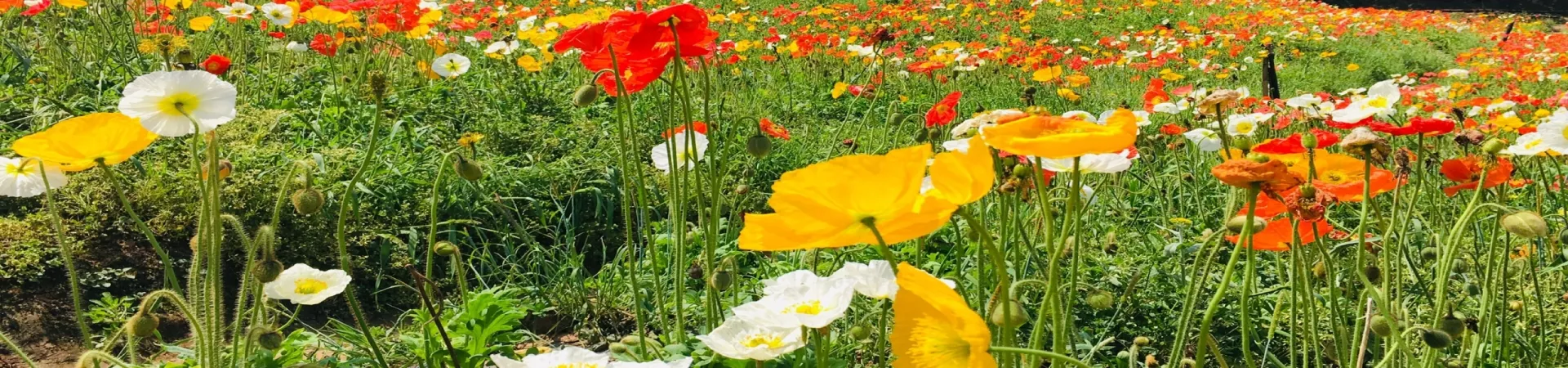
4. Experiential Highlights and Thematic Appeal A visit to Huatian Jiudi in Qingxi Valley is characterized by a blend of sensory enjoyment, cultural depth, and scenic beauty. The "Huatian Jiudi" (Flower Field, Wine Land) name itself hints at its dual charm. Vast, colorful flower fields create a stunning visual tapestry against the landscape, perfect for photography and peaceful strolls. This natural beauty seamlessly integrates with the ever-present wine culture theme. The area serves as a living museum for Luzhou's 450-year-old distilling heritage, famously represented by Luzhou Laojiao. The experience is designed to be interactive, allowing guests to touch, smell, taste, and understand the process behind China's national liquor. Whether participating in a workshop at a manor, enjoying a curated tasting session, exploring the vibrant floral displays, or embarking on an active adventure in the hills, the destination provides a rich, layered itinerary. It successfully transforms the niche subject of Baijiu into an accessible and engaging cornerstone for a diverse tourism destination that appeals to culture enthusiasts, nature lovers, families, and leisure seekers alike, all within a thoughtfully planned and sustainably minded development.