Fubao Ancient Town
Subtitle: A Journey Through Time in Luzhou's Ancient Town
Introduction: The Allure of Fubao
Nestled amidst the lush, rolling hills of southern Sichuan Province, the ancient town of Fubao in Luzhou stands as a serene and remarkably well-preserved portal to a bygone era. Far from the bustling crowds of China's more commercialized ancient towns, Fubao offers an authentic and immersive experience into the architectural heritage, cultural traditions, and tranquil pace of life that have characterized this region for centuries. Its location, approximately 42 kilometers southeast of Luzhou city proper, contributes to its unspoiled charm, making it a coveted destination for travelers seeking genuine historical atmosphere, stunning natural scenery, and a profound sense of peace. Unlike many historical sites with restrictive access, Fubao warmly welcomes visitors around the clock, every day of the year, free of charge, inviting spontaneous exploration and quiet contemplation at any hour.
A Tapestry of History and Architecture
The Origins and Historical Significance Fubao's history is deeply intertwined with the salt trade that once flourished along the ancient routes of Sichuan. Founded during the late Ming and early Qing dynasties (approximately 17th century), the town served as a vital commercial hub. Its strategic position facilitated the transportation of salt and other goods, bringing wealth and cultural exchange that shaped its development. The town's very name, "Fubao," which can be interpreted as "Blessed Treasure" or "Fortune's Hold," reflects the prosperity it enjoyed during its zenith. Walking its streets is akin to traversing a living museum, where every weathered stone and carved eave whispers tales of merchant caravans, bustling market days, and the daily lives of generations past.
Architectural Mastery: Ming and Qing Dynasty Styles The most captivating aspect of Fubao is its exquisite and cohesive collection of Ming and Qing dynasty architecture. The town is a masterpiece of traditional Sichuan-style wooden construction, adapted perfectly to the humid, rainy climate and hilly terrain.
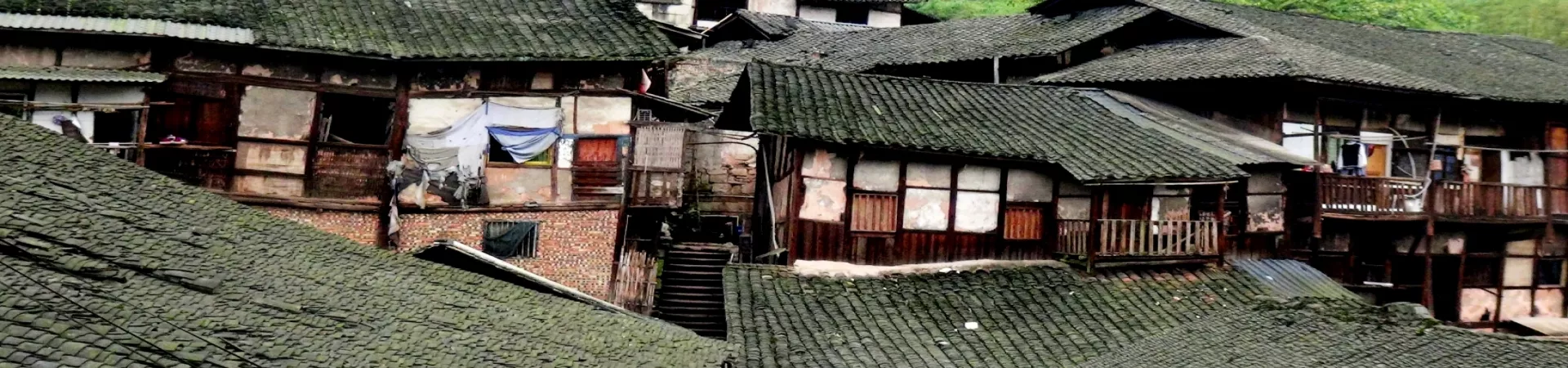
Residential Dwellings and Courtyards The residential buildings are characterized by their elegant yet sturdy wooden frameworks, grey brick and wooden-paneled walls, and sweeping, upward-curving grey-tiled roofs. These structures are often organized around serene, intimate courtyards (siheyuan), which served as centers for family life, offering light, ventilation, and private outdoor space. Elaborately carved wooden brackets, window lattices, and door frames showcase the exceptional craftsmanship of the era, featuring motifs of flora, fauna, and auspicious symbols.
The Iconatic "Diaojiaolou" (Overhanging Stilted Buildings) A defining architectural feature of Fubao is the widespread use of diaojiaolou, or stilted buildings. Constructed along the slopes and riverbanks, these structures are supported by wooden pillars anchored into the hillside or raised above the ground, creating a striking cascading effect. This ingenious design not only saved valuable flat land but also provided protection from dampness and floods. Walking beneath these overhanging tiers offers a unique and picturesque perspective, making the town appear as if it is organically growing out of the landscape itself.
Public Spaces: Temples, Theatres, and Guildhalls Beyond homes, Fubao boasts well-preserved public buildings that speak to its former communal and commercial vitality. Ancient temples, such as those dedicated to local deities or Buddhist figures, served as spiritual centers. A traditional stage for Chinese opera indicates a rich cultural life where performances entertained residents and merchants alike. Furthermore, the remnants of guildhalls (huiguan) established by merchant groups from different regions highlight Fubao's role as a melting pot of cultures and a key node in regional trade networks.
The Immersive Experience: Sights, Sounds, and Flavors
Strolling the Ancient Flagstone Lanes The primary way to experience Fubao is on foot. The town's labyrinthine network of narrow, flagstone-paved lanes, worn smooth by centuries of footsteps, invites leisurely exploration. These winding alleys, often following the natural contours of the land, reveal sudden vistas of courtyards, hidden archways, and the ever-present harmony between man-made structures and the surrounding greenery. The absence of vehicular traffic preserves an almost palpable historical ambiance, broken only by the sound of flowing water, chirping birds, and the distant chatter of local residents.
Local Life and Artisanal Crafts Fubao is not merely an empty relic; it remains a living community. Observing the daily routines of the townspeople—elderly residents basking in the sun, artisans practicing traditional crafts, or vendors selling locally grown produce—adds a rich, human dimension to the visit. The town has maintained some of its traditional industries, and visitors might encounter workshops producing handmade bamboo ware, locally distilled baijiu (a strong Chinese liquor, for which Luzhou is famously known), or other artisanal goods, offering a direct connection to enduring local skills.
Culinary Encounters in a Historic Setting No visit is complete without sampling local Sichuan cuisine. Small, family-run eateries within the ancient buildings serve authentic, flavorful dishes. Given Luzhou's reputation, expect bold flavors featuring chili peppers and Sichuan peppercorns. Local specialties may include bean curd dishes, river fish prepared in traditional styles, cured meats, and various savory snacks. Enjoying a simple meal at a wooden table overlooking an ancient street is an integral part of the Fubao experience.
Natural Backdrop and Scenic Vistas The town's beauty is magnified by its natural setting. It is cradled by verdant, forested hills and lies near the clear waters of the Tong River. Several old stone bridges arch over streams, completing the classic Chinese landscape painting scene. For the best views, short hikes to elevated points on the outskirts of the town are highly recommended. From these vantage points, one can admire the breathtaking panorama of Fubao's sea of grey-tiled roofs, nestled harmoniously within the embrace of the lush, green mountains.
Practical Information for the Visit
Admission and Opening Hours A significant advantage for visitors is Fubao's completely unrestricted access. There is no admission fee to enter the ancient town, allowing for flexible and budget-friendly exploration. Furthermore, the town is open to the public 24 hours a day, every day of the year (including all weekdays and holidays). This policy allows for unique experiences, such as witnessing the morning mist settle over the rooftops or seeing the ancient lanes softly illuminated by traditional lanterns at night.
Getting There and Suggested Itinerary Reaching Fubao typically involves traveling first to Luzhou city, which is accessible by high-speed rail or long-distance bus from major hubs like Chengdu or Chongqing. From Luzhou, a combination of public buses and taxis or a private car hire is the most common way to complete the journey to the town. While Fubao can be explored in a day trip from Luzhou, to fully absorb its atmosphere, an overnight stay in one of the simple, traditional guesthouses within the town is highly advisable. This allows time to wander without rush, interact with locals, and enjoy the profound tranquility that descends after day-trippers have departed.