The Sixth Museum of Emperor's Driver in King Zhou City
Subtitle: A Journey into the Heart of the Eastern Zhou Dynasty: Artifacts, Chariots, and Imperial Legacy
Introduction: A Landmark Discovery in the Ancient Capital In 2003, during construction at Wangcheng Square in the historic city of Luoyang, one of China's ancient capitals, archaeologists made a discovery that would resonate through the 21st century. They unearthed an extensive complex of chariot and horse pits dating back to the Eastern Zhou Dynasty (770-256 BCE). This finding was immediately recognized as a monumental archaeological event, shedding unprecedented light on the rituals, military prowess, and social hierarchy of a pivotal era in Chinese civilization. The Luoyang Zhou Wangcheng Tianzi Jialiu Museum was subsequently built on-site to protect and present this extraordinary heritage. The museum's very name, "Tianzi Jialiu," meaning "The Son of Heaven Driving Six Horses," refers to the most significant revelation of the dig: physical proof of the ancient imperial rite where only the Zhou king could be pulled by a team of six horses, a powerful symbol of supreme status mandated by historical texts but rarely confirmed by physical evidence.
Section I: The Crown Jewel: The Tianzi Jialiu Chariot Pit 1.1. Scale and Grandeur of the Excavation The centerpiece of the museum is the main chariot and horse pit itself, preserved in-situ beneath the modern exhibition hall. The scale of the pit is vast, and the arrangement is strikingly orderly and majestic. Dozens of chariots and the skeletons of their accompanying horses were found systematically arranged, creating a silent, powerful tableau of ancient ceremonial practice. The sheer size and organized layout convey a profound sense of ritual purpose and imperial authority, intended to accompany the sovereign into the afterlife.
1.2. The Unique "Drive-Six" Configuration Among the numerous chariots, one particular configuration stands out as globally unique. This is the actual "Jialiu" – a large, elaborate chariot yoked to the skeletons of six horses. This archaeological find provides the first concrete, incontrovertible evidence for the Zhou dynasty's strict ceremonial system, as recorded in classical texts like the Rites of Zhou. The sight of the six-horse team powerfully validates historical records and offers a direct, tangible connection to the Zhou kings' unparalleled social and religious standing. It is this singular artifact that elevates the site from a significant burial ground to a world-class historical testament.
1.3. Diversity of Chariots Beyond the imperial drive-six, the pit contains a variety of other chariot types, including smaller four-horse and two-horse chariots. This diversity is equally informative, likely representing the retinue of nobles or officials buried alongside their ruler. The variations in size, structure, and horse team composition offer scholars crucial insights into the Zhou dynasty's complex hierarchical structure and the role of chariots in warfare, ceremony, and status display.
Section II: Exploring the Museum's Exhibition Spaces 2.1. The Chariot Pit Exhibition Hall This hall is architecturally designed to allow visitors to walk on elevated platforms around and above the excavated pits. This immersive viewing experience lets one look directly down upon the ancient chariots and horses exactly as they were discovered. Detailed signage and interactive displays explain the excavation process, the conservation challenges involved in preserving such delicate remains, and the symbolic meaning behind the arrangements. The atmosphere here is one of awe, bridging a 2,700-year gap between the modern viewer and the ancient Zhou world.
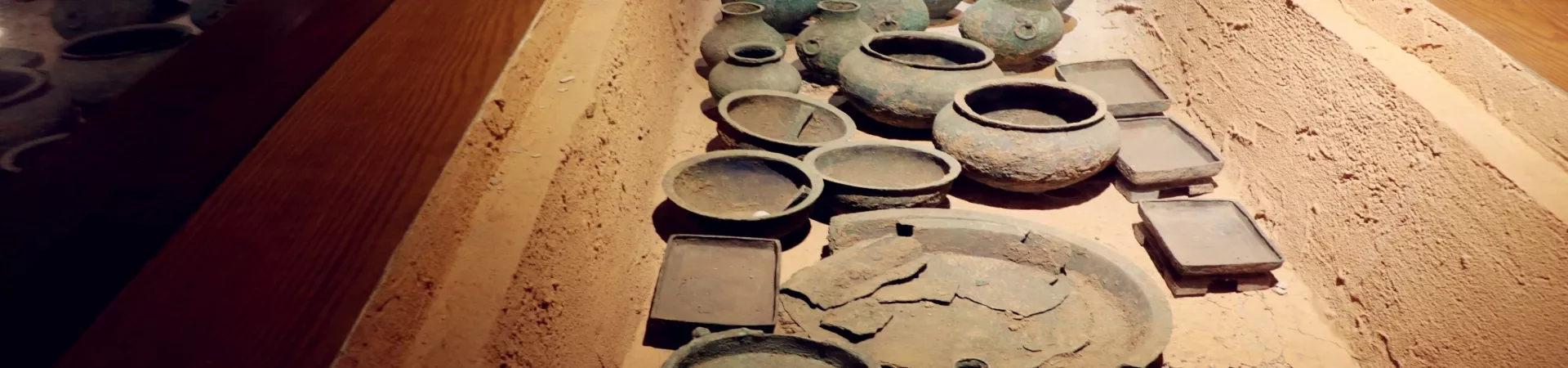
2.2. Exhibition of Zhou Dynasty Cultural Relics The museum's second major section is a curated collection of exquisite artifacts unearthed from the broader Wangcheng site and other Zhou dynasty tombs in the Luoyang area. This collection provides essential context, moving beyond the chariots to illustrate the daily life, artistic achievements, and spiritual beliefs of the period. * Bronze Ware: A highlight includes ritual bronze vessels used in ceremonies for ancestors and deities. These items, often inscribed, are masterpieces of craftsmanship and primary sources for historical study. * Jade and Ceramic Artifacts: The exhibits also feature delicate jade ornaments, signifying nobility and virtue, and various pottery items that illustrate domestic life. * Informational Panels: Along the corridors, walls are adorned with detailed photographic and descriptive panels showcasing other significant archaeological finds from the Zhou Wangcheng excavations, providing a broader narrative of the capital city's layout and civilization.
Section III: Essential Visitor Information 3.1. Admission and Operating Hours The museum is open daily from 8:30 AM to 6:30 PM, with last admission at 6:00 PM. The standard admission fee is 30 RMB. The museum offers a transparent discount policy: * Half-price Tickets: Available to teachers (with a valid Teacher Certification Card) and students under 18 (with valid student ID). * Free Admission: Granted to seniors over 60 (with ID), active-duty military personnel, police officers, firefighters, individuals with disabilities, and children under 12 (with ID). It is always advisable to verify this information with the museum on the day of your visit, as policies may be subject to change.
3.2. Suggested Visit Duration and Transportation To fully appreciate both the chariot pits and the artifact collections at a comfortable pace, a visit of approximately 1 to 3 hours is recommended. The museum is conveniently located in downtown Luoyang. Visitors can reach it by taking public bus routes such as 5, 48, or 46 and alighting at the "Wangcheng Square" bus stop. The museum is a short walk from the stop.
3.3. Historical and Cultural Context A visit to the Tianzi Jialiu Museum is more than just viewing ancient objects; it is an engagement with the foundational rituals of Chinese imperial culture. The Zhou Dynasty, especially its Eastern Zhou period, was a time of philosophical flowering (the era of Confucius and Laozi), technological advancement, and complex political rivalry. The strict ceremonial system, so vividly demonstrated by the drive-six chariot, was a cornerstone of maintaining political order and cosmic harmony. This museum, therefore, serves as a crucial portal for understanding the material culture behind these grand ideas, showcasing the tangible evidence of a society whose influence profoundly shaped the course of Chinese history for millennia.