Xishan Grottoes
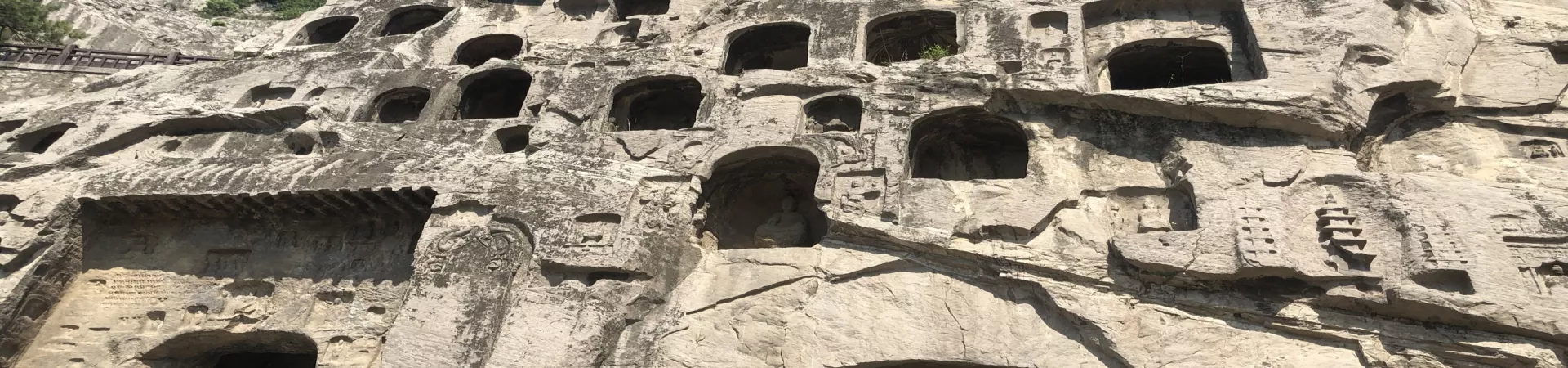
Subtitle: A Journey Through the West Hill Grottoes, the Crown Jewel of Longmen
Introduction: The Stone Canvas of an Empire
Nestled along the banks of the Yi River in Luoyang, a city often hailed as the cradle of Chinese civilization, the Longmen Grottoes stand as a monumental testament to ancient faith, imperial patronage, and unparalleled artistic endeavor. Recognized as a UNESCO World Heritage Site, this vast complex is one of China's most treasured repositories of Buddhist rock-carved art. The river naturally divides the grottoes into two primary sections: the East Hill and the West Hill. While both are impressive, it is the West Hill Grottoes that are universally regarded as the heart and soul of Longmen, housing its most complete, concentrated, and artistically sublime collection of carvings. A visit here is not merely a tour of caves; it is a walk through several dynasties of Chinese history, art, and spiritual devotion, etched in stone.
1. The Historical and Artistic Significance
The construction of the Longmen Grottoes spanned several centuries, with its most prolific period occurring during the Northern Wei Dynasty (386-534 AD) and the Tang Dynasty (618-907 AD). The West Hill, with its superior limestone quality, became the favored canvas for emperors, nobles, and devout communities. The grottoes here represent the zenith of Chinese Buddhist art, showcasing a clear evolution in style—from the elegant, slender figures with mysterious smiles characteristic of the Northern Wei to the robust, lifelike, and majestically confident forms of the High Tang period. This section of Longmen offers the most coherent narrative of this artistic journey, making it an indispensable study for understanding the cultural and religious currents that shaped medieval China.
2. Exploring the Premier Caves of the West Hill
The West Hill complex comprises numerous caves, each with its own unique story and artistic highlight. A systematic exploration reveals a world of divine figures, intricate narratives, and surprising historical details.
2.1. Qianxi Temple (潜溪寺) Often one of the first major caves encountered, the Qianxi Temple is a serene Tang Dynasty grotto. It houses a principal Buddha figure seated in a posture of meditation, flanked by his disciples Ananda and Kasyapa, as well as Bodhisattvas and guardian kings. The sculptures here are noted for their harmonious proportions and calm, dignified expressions, setting a tone of solemn beauty for the visit.
2.2. The Ten Thousand Buddha Cave (万佛洞) True to its name, this cave is a breathtaking spectacle of miniature devotion. Completed in 680 AD during the Tang Dynasty, its walls are meticulously carved with over 15,000 tiny Buddha figures, each seated on a lotus petal, covering the northern and southern walls in a stunning, grid-like pattern. The main wall features a majestic Amitabha Buddha, creating a powerful visual representation of a celestial Buddhist paradise populated by countless enlightened beings. The scale and precision of this cave are utterly mesmerizing.
2.3. The Fengxian Temple (奉先寺) – The Unmissable Masterpiece This is the indisputable highlight of Longmen and one of the greatest achievements of Chinese art. Fengxian Temple is not a closed cave but a colossal open-air niche carved into the southern cliff face during the reign of Emperor Gaozong of Tang. Its centerpiece is the awe-inspiring Vairocana Buddha (卢舍那大佛), a figure that stretches over 17 meters in height. The Buddha's face, with its gentle, compassionate eyes and subtle, knowing smile, projects both transcendent wisdom and profound humanity. Flanked by attentive disciples, elegant Bodhisattvas, and fierce heavenly guardians, the entire ensemble is a masterpiece of composition and symbolic power. It is widely believed that the Buddha's serene countenance was modeled after Empress Wu Zetian, who funded its construction, blending imperial authority with divine representation.
2.4. Guyang Cave (古阳洞) – The Calligraphy Treasure Trove As the oldest and most historically rich cave at Longmen, Guyang Cave is a Northern Wei Dynasty gem. It is filled with hundreds of inscriptions and niches dedicated by imperial courtiers, monks, and aristocrats. Its greatest fame, however, lies in calligraphy. Nineteen of the revered "Longmen Twenty Inscriptions" (龙门二十品), which are considered seminal models of the Wei stele calligraphy style, are found here. These inscriptions are of immense value to historians and calligraphy connoisseurs, preserving the brushstroke artistry of a bygone era in stone.
2.5. The Prescription Cave (药方洞) Offering a fascinating glimpse into the practical side of ancient life, this cave uniquely features over 150 medicinal prescriptions carved around its entrance doorway. Dating from the late Northern Wei to the early Tang dynasties, these inscriptions detail treatments for various ailments, from cholera to heart pain. They constitute the earliest existing collection of carved medical recipes in China, highlighting the integration of spiritual healing (prayer) with practical medicine in ancient society.
3. Practical Information for Your Visit
3.1. Tickets and Fees Access to the West Hill Grottoes is included in the general admission ticket for the Longmen Grottoes Scenic Area. * Full Ticket: 90 RMB. * Concession Ticket (Half-price): 60 RMB. Applicable to seniors aged 60-69 and minors aged 6 to 18 (with valid ID). * Free Admission: For seniors aged 70 and above, and children under 6 years old or with a height below 1.2 meters.
3.2. Opening Hours Operating hours vary seasonally: * Feb 1 - Mar 31 & Oct 8 - Nov 14: 08:00 - 18:00 (Last ticket sale at 17:30). * Apr 1 - Oct 7 (Peak Season): 08:00 - 18:30 (Last ticket sale at 17:30). * Nov 15 - Jan 31: 08:00 - 17:00 (Last ticket sale at 16:30).
3.3. Suggested Duration and Services A thorough exploration of the West Hill Grottoes typically requires 1.5 to 3 hours, depending on your pace and interest level. To enhance your visit, the scenic area offers complimentary WiFi throughout. Visitors can easily connect by scanning a QR code via WeChat. Once connected, you can access online audio guides and textual explanations for key sites, providing valuable context and stories behind the stone figures without the need for a physical guide or rental device.