White Horse Temple
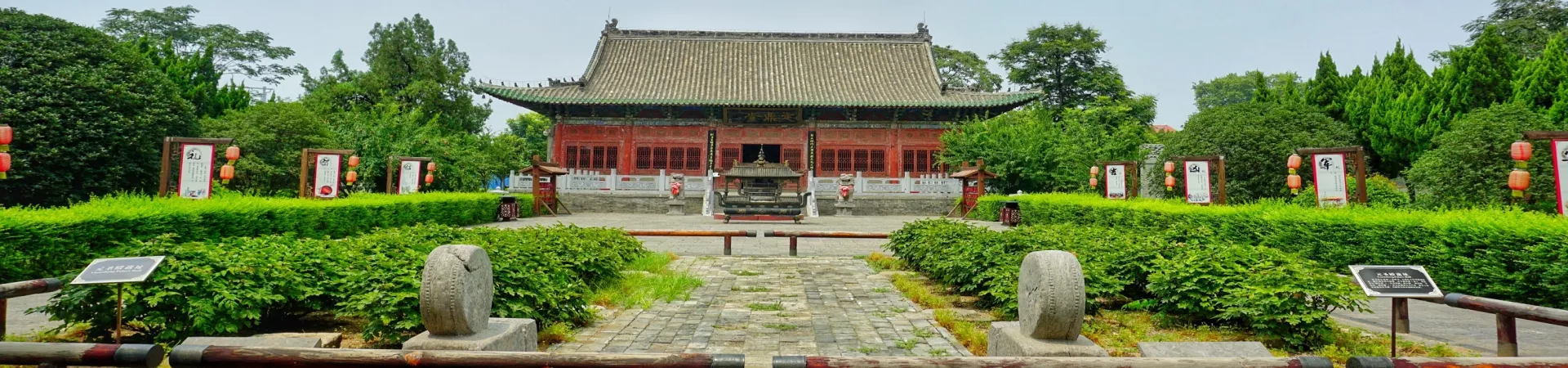
The Cradle of Chinese Buddhism: A Visitor's Guide to Luoyang's White Horse Temple
An Enduring Legacy: From Imperial Patronage to Modern Devotion
Nestled approximately 12 kilometers east of Luoyang city, Henan Province, the White Horse Temple (Báimǎ Sì) holds an unparalleled position in the history of Chinese Buddhism. Revered as "China's First Ancient Temple," its establishment marks the formal introduction and state-sanctioned acceptance of Buddhism into Chinese culture. Founded in 68 AD during the Eastern Han Dynasty under the patronage of Emperor Ming, the temple derives its evocative name from the white horses that, according to legend, carried the first Buddhist sutras and statues from India to this sacred site. For nearly two millennia, it has served as a primary center for Buddhist teaching, translation, and dissemination, influencing religious and cultural development across East Asia. Unlike many historical sites that are mere relics, the White Horse Temple remains a vibrant, active monastery, where the chants of resident monks blend with the whispers of history, offering visitors a profound connection to a living tradition.
Architectural Harmony: A Journey Along the Central Axis
The temple complex is a masterpiece of traditional Chinese monastic architecture, organized with solemn symmetry along a north-south central axis. While the original Han structures are lost to time, the existing buildings predominantly date from the Yuan (1271-1368), Ming (1368-1644), and Qing (1644-1912) dynasties, each hall telling a chapter of the temple's long narrative.
The Principal Halls: A Sequential Revelation Visitors typically begin their journey at the southern entrance, progressing through a series of gates and courtyards that symbolize the path to enlightenment. * Heavenly King Hall (Tiānwáng Diàn): The first major hall houses statues of the Four Heavenly Kings, fierce protectors of the Buddhist law, and the welcoming figure of Maitreya Buddha. * Great Buddha Hall (Dàfó Diàn): This hall is dedicated to Sakyamuni Buddha, flanked by his two disciples, Manjusri and Samantabhadra. The atmosphere here is one of serene reverence. * The Mahavira Hall (Dàxióng Bǎodiàn): As the main hall of the entire temple complex, this is the architectural and spiritual heart. Enshrined are the statues of the Three Buddhas—representing the past, present, and future—alongside eighteen Arhats. The hall's grandeur underscores its central importance. * Pilu Pavilion (Pílú Gé): This two-story pavilion at the northern end of the axis enshrines the Vairocana Buddha, representing the cosmic body of the Buddha. Climbing to its upper level offers a contemplative view back over the entire temple layout.
Treasures Within: The Priceless Yuan Dynasty Lacquerware Beyond its architecture, the temple safeguards an exceptional collection of religious art. Its most prized possessions are the Yuan Dynasty laminated lacquer (Jiāzhù Gānqī) statues. This intricate and delicate technique, using hemp cloth, lacquer, and gold leaf, results in lightweight yet incredibly durable sculptures. The collection includes the majestic Three Period Buddhas in the Mahavira Hall, two formidable Heavenly Generals, and the vivid, expressive set of Eighteen Arhats. These artworks are not only masterpieces of Buddhist iconography but also rare surviving examples of a sophisticated ancient craft, making them invaluable to both art historians and pilgrims.
Practical Information for Your Visit
Admission Details * Full Ticket: 35 RMB. * Concession Ticket (17.5 RMB): Available for university students and below with valid student ID, certified school teachers, and minors aged 12 to 18. * Free Admission: Applies to children under 1.4 meters or aged 12 and below, seniors aged 60 and over, active and retired military personnel, police officers, national fire rescue personnel, and individuals with disabilities (valid ID required). * Note: Information is subject to change. Please verify with the ticket office on the day of your visit.
Opening Hours * Summer (June 1 - August 31): 7:40 - 18:30 (last entry at 18:00). * Winter (December 1 - February 28/29): 8:00 - 17:30 (last entry at 17:00). * Hours for spring and autumn typically fall between these ranges.
Transportation Guide * By Public Bus: A convenient and economical option. From Luoyang Railway Station, take bus 56 directly to its terminal stop (White Horse Temple). From Guanlin Temple, take bus 58 to its terminal stop. * By Car/Taxi: Drive via the Lianhuo Expressway, connect to the Erguang Expressway, and exit at the "Baimasi" toll gate. Follow signs to the temple along G310国道. Ample parking is available near the entrance.
Suggested Duration A comprehensive visit to explore the central axis halls, appreciate the statues, and absorb the tranquil ambiance typically requires 1.5 to 3 hours. Allocating additional time is recommended if you wish to visit the newer international Buddhist architectural zones located in the eastern part of the temple grounds, which feature styles from Thailand, India, and Myanmar.
A Living Tapestry of Faith and History
A visit to the White Horse Temple is more than a tour of ancient buildings; it is an immersion into the foundational story of Buddhism in China. The scent of incense, the sound of temple bells, and the sight of centuries-old statues create a powerful sense of continuity. It stands as a testament to cultural exchange, imperial patronage, and enduring spiritual pursuit. Whether you are a history enthusiast, a student of religion, or a traveler seeking cultural depth, the White Horse Temple offers a uniquely authentic and resonant experience, connecting you directly to the very roots of a major world religion on Chinese soil.