Wangcheng Park
Subtitle: A Stroll Through History and Blooms: The Essential Guide to Luoyang's Wangcheng Park
Introduction: Where Ancient Capitals and Peonies Meet Nestled in the heart of Luoyang, an ancient capital of thirteen Chinese dynasties, Wangcheng Park stands as a unique urban oasis. More than just the city's largest comprehensive park, it is a living canvas where over two millennia of history intertwine with the celebrated beauty of the peony. Established in 1955 upon the revered ruins of the Eastern Zhou Dynasty's royal city, the park’s very name—"Wangcheng" meaning "Royal City"—whispers tales of its illustrious past. It masterfully blends profound historical ambiance with vibrant modern park life, offering visitors a multifaceted experience that encapsulates both the cultural soul and natural splendor of Luoyang.
1. Historical and Cultural Significance 1.1. Built on Imperial Grounds The park's primary distinction lies in its location. It was constructed directly on the archaeological site of the Eastern Zhou Dynasty (770–256 BC) capital, a city that served as the political and cultural heart of China for over five centuries. This foundational history permeates the atmosphere, transforming a simple stroll into a walk across sacred imperial grounds. While specific above-ground structures of the Zhou era are limited, the park's design and several exhibits consciously honor this heritage, allowing visitors to connect physically with one of China's most formative historical periods.
1.2. The Ancient Culture Zone To give tangible form to its historical context, the park features a dedicated Ancient Culture Zone. This section often includes replicas or artistic interpretations of ancient architecture, cultural relics display areas, and informative plaques detailing the Eastern Zhou Dynasty's significance. It serves as an open-air primer on the region's history, providing visual and contextual anchors that help visitors appreciate the depth of the ground beneath their feet. This zone is a quiet space for contemplation, contrasting with the more vibrant floral sections of the park.
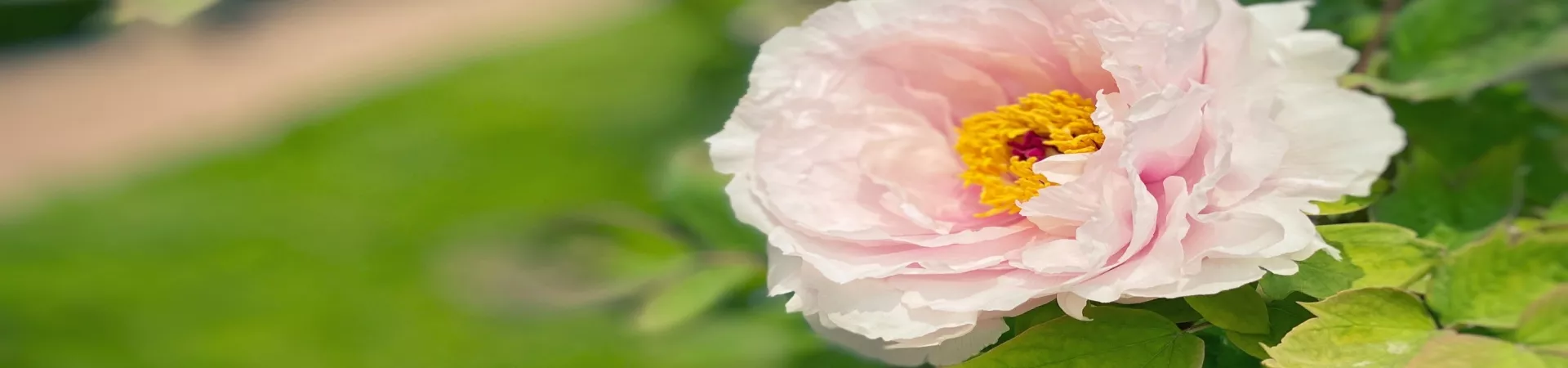
2. The Floral Crown Jewel: A Symphony of Peonies 2.1. The Epicenter of the Luoyang Peony Festival If history is the park's foundation, then the peony is its beating heart. Wangcheng Park is internationally renowned as one of the premier destinations for viewing the Chinese peony (Paeonia suffruticosa), the city's official flower. During the annual Luoyang Peony Festival (typically from early to mid-April), the park transforms into a breathtaking sea of color and fragrance. It is widely considered the best and most iconic location within the ancient city to celebrate this floral extravaganza. Hundreds of varieties, from classic hues to rare hybrids, are meticulously displayed, creating a photographer's paradise and a nature lover's dream.
2.2. The Peony Garden: A Year-Round Attraction Beyond the festival season, the park's dedicated Peony Garden remains a key attraction. While the full bloom is a springtime spectacle, the garden's layout and landscaping are designed to be aesthetically pleasing throughout the year. Informational signs often detail the different cultivars, their names, and characteristics, educating visitors on the deep cultural symbolism of the peony—which represents prosperity, peace, and nobility in Chinese culture.
3. Park Layout and Additional Attractions 3.1. A Comprehensive Recreational Space Wangcheng Park is thoughtfully segmented into distinct functional areas, catering to diverse interests. Beyond the historical and floral zones, it encompasses spacious lawns, serene lakes, and meandering pathways ideal for leisurely walks, family picnics, and morning tai chi sessions. This modern park infrastructure ensures a comfortable and enjoyable visit for all ages.
3.2. The Animal Enclosure Adding to its family-friendly appeal, the park houses a zoo or animal enclosure. This section features a variety of domestic and exotic animals, making it a particularly popular spot for children. It provides an engaging diversion and underscores the park's role as a comprehensive recreational hub where cultural education and simple entertainment coexist.
4. Essential Visitor Information 4.1. Opening Hours and Admission The park is open year-round from 7:00 AM to 7:00 PM, with last admission at 6:00 PM. A modest entrance fee is charged, but it is subject to change, particularly during special events like the Peony Festival. Visitors are advised to check the latest prices posted at the ticket office or via official channels prior to their visit.
4.2. Getting There: Transportation Guide Wangcheng Park is easily accessible by public bus, aligning with its central location. Key bus routes that stop at or near "Wangcheng Park" (王城公园) include 101, 103, 10, 11, and 15. The bus system in Luoyang is efficient and affordable, making this the recommended mode of transport for most visitors. Alighting at the stop typically requires only a short, straightforward walk to the park entrances.
4.3. Suggested Duration of Visit To fully appreciate the park's different facets—exploring the Ancient Culture Zone, wandering through the peony gardens, enjoying the general scenery, and perhaps visiting the animals—a visit of 1 to 3 hours is recommended. During the peak Peony Festival, visitors may wish to allocate more time to fully immerse themselves in the floral displays and the lively atmosphere.
Information last updated: June 2023.