Luoyang Old Street
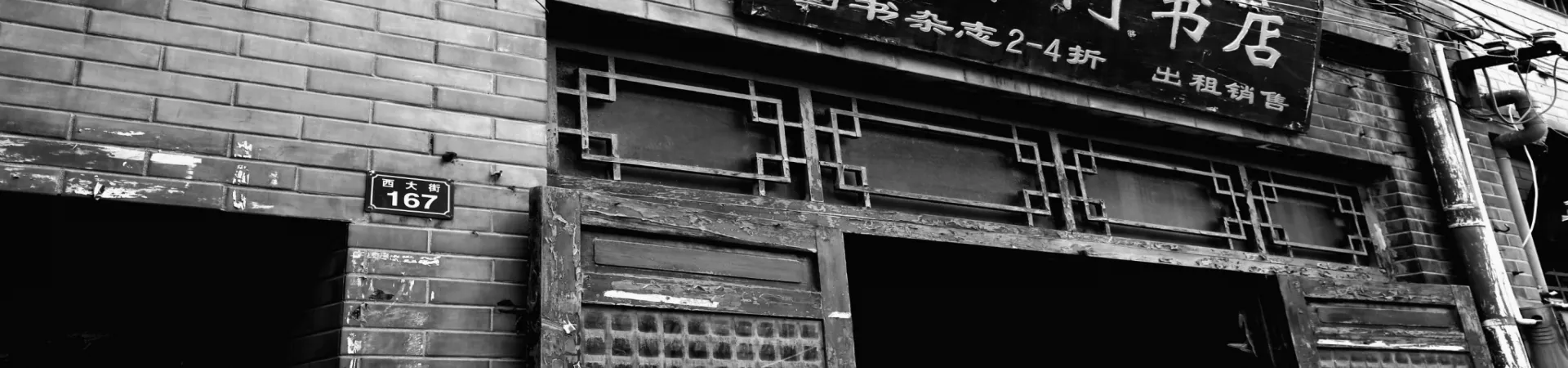
A Journey Through Time: Exploring Luoyang's Ancient Street
Nestled in the heart of one of China's oldest capitals, Luoyang Ancient Street (老街, Lǎo Jiē) is not merely a tourist destination but a living, breathing portal into the city's storied past. This historic thoroughfare offers a visceral connection to the layers of history that define Luoyang, presenting a vibrant tapestry where ancient foundations support a bustling, modern community life.
Historical Foundations: From Imperial Capital to Living Heritage
The story of Luoyang Ancient Street is deeply intertwined with the city's imperial grandeur. Its cultural foundations were laid during the Jin Dynasty's Zhongjing period, but its physical roots delve even deeper. The street was developed upon the ruins of the Eastern City of the Sui and Tang Dynasties' Eastern Capital. This location is significant; during the Sui and Tang eras, Luoyang was a flourishing eastern capital, a cosmopolitan hub of politics, economy, and culture rivaling Chang'an. Walking its length, one traverses ground that has been a center of urban life for over three thousand years. Each era—from the Zhou Dynasty kings to the Han and Tang emperors—has contributed to the sediment of history upon which the present-day street thrives. It stands as a direct, tangible link to Luoyang's zenith as a pivotal axis of Chinese civilization.
The Sensory Tapestry of the Old Street
Unlike some restored historical districts that can feel like open-air museums, Luoyang Old Street has meticulously preserved its original layout and authentic atmosphere. The experience is immediate and immersive. The narrow street, often paved with worn stone, is flanked by traditional shop-front architecture featuring upturned eaves, wooden lattices, and faded painted plaques. The air is filled with a cacophony of sounds that haven't changed for centuries: the lively banter of shopkeepers and street vendors calling out their wares, the chatter of dense crowds weaving between stalls, and the general hum of commerce. The scent of incense from small temples mingles with the aromas of sizzling snacks from food carts. This unpretentious, raw ambiance is precisely what exudes the authentic flavor of the ancient capital. It is a dynamic showcase of "old Luoyang's contemporary bustle," where historical setting and daily life are inseparable.
A Culinary Pilgrimage: The Heartbeat of the Street
For many visitors, the primary allure of the Ancient Street is its culinary scene. It is the best place in the city to embark on a gastronomic adventure through local flavors. Dozens of food stalls, family-run eateries, and established restaurants line the street, each offering a taste of Luoyang's heritage.
The most famous culinary attraction, without doubt, is the opportunity to sample Luoyang Water Banquet (洛阳水席, Luòyáng Shuǐ Xí). While full, formal presentations of all 24 dishes (8 cold, 16 hot) are typically found in larger restaurants, many smaller establishments on the street offer signature dishes from the banquet. The "Water" in the name refers to the broth-based nature of the hot dishes and the seamless, flowing manner in which courses are served, one after another like flowing water. Dishes like "Luoyang Yan Cai" (assorted vegetables in broth) and the iconic "Peony and Swallow's Nest" (a delicacy made with radish and eggs) tell stories of the city's history and aesthetic. Beyond the Water Banquet, the street teems with other local snacks: steaming bowls of Luoyang beef soup (牛肉汤), crispy pot-sticker pancakes (锅贴), and sweet, glutinous peony cakes (牡丹饼). Eating here is a participatory act in the street's living culture.
Practical Information for Visitors
Transportation: The Ancient Street is centrally located and easily accessible by public bus. Visitors can take bus routes 4, 5, 9, 20, or 22 and alight at the Qingniangong (Youth Palace) bus stop. From there, it is a short and pleasant walk of approximately 300 meters to the entrance of the old street district.
Admission Fees: Access to Luoyang Ancient Street itself is completely free of charge. Visitors can wander the main thoroughfare and its immediate alleys without a ticket. Some specific historical courtyards, temples, or museums within the broader district may have separate entrance fees, but the core street experience is open to all.
Opening Hours: The street is a public space and is accessible 24 hours a day, year-round. However, the vibrant market life, with most shops and food vendors operating, is typically active from early morning until late evening. The most lively atmosphere and full range of services are enjoyed between 9:00 AM and 10:00 PM.
Suggested Duration: To fully soak in the atmosphere, explore the shops, and enjoy a leisurely meal, it is recommended to allocate between 1 to 3 hours for a visit. This allows enough time to walk the length of the street, delve into a few side alleys, and perhaps sit down for a bowl of soup or a multi-dish tasting.
Contact Information: For specific inquiries about events or facilities within the district, you can contact the local management at 0379-63998399.
In essence, Luoyang Ancient Street is a chronicle written not in books, but in cobblestones, architecture, flavors, and the daily rhythms of its people. It is a place where history is not displayed behind glass but is lived in the present, offering an unforgettable, sensory-rich journey into the enduring soul of an ancient capital.