Luoyang Museum
A Comprehensive Guide to Luoyang Museum: Unveiling the Cradle of Chinese Civilization
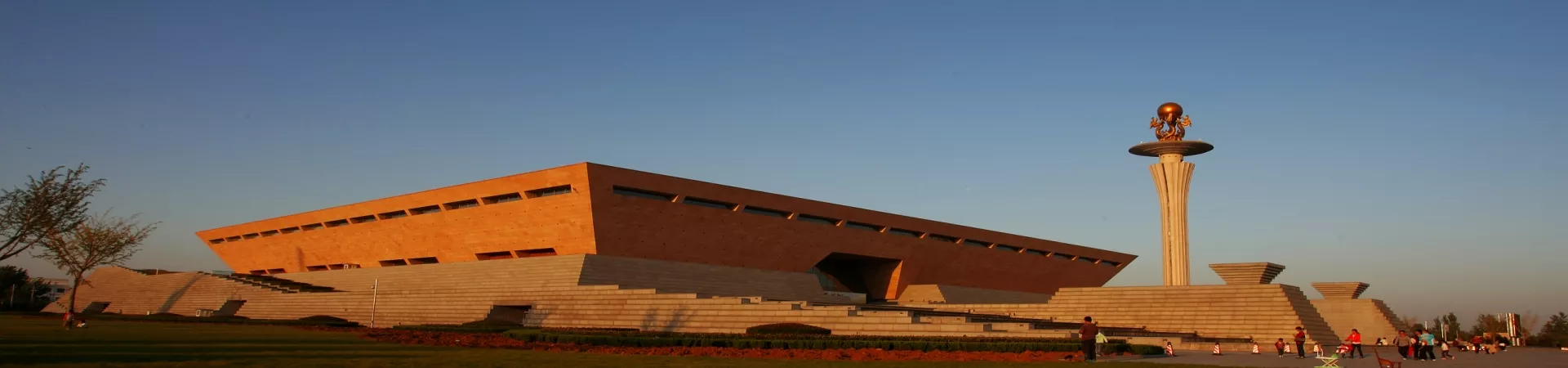
Nestled in the ancient capital of Luoyang, a city steeped in over three millennia of history, the Luoyang Museum stands as a monumental guardian of China's cultural heritage. Its strategic location places it in a harmonious visual dialogue with other modern city landmarks, such as the Zhongyuan Pearl TV Tower. The museum's new building, an architectural marvel in itself, is designed in the imposing form of a grand ancient Chinese ding (a ritual bronze tripod cauldron). This powerful design is not merely aesthetic; it carries the profound symbolic weight of "Ding Ding Luo Yi," alluding to the historic establishment and stabilization of the capital in Luoyang by early dynastic rulers. This fusion of deep historical resonance with contemporary architectural statement perfectly sets the stage for the treasures housed within.
I. Architectural Layout and Exhibition Structure The museum complex is efficiently divided into a Main Building and an Auxiliary Building, facilitating a logical and comprehensive visitor flow.
A. The Main Building: A Journey Through Time The heart of the museum is its two-story Main Building, which hosts the permanent exhibitions.
- First Floor: The Historical Panorama. This level is dedicated to the general historical exhibition. It provides a chronological narrative, guiding visitors through the pivotal role Luoyang as a capital city across thirteen dynasties, including the Eastern Zhou, Eastern Han, Wei, Jin, and Northern Wei, among others. The exhibits on this floor lay the essential groundwork, illustrating the city's political, economic, and social evolution through a rich collection of archaeological finds.
- Second Floor: The Treasure Galleries. Ascending to the second floor, visitors encounter the museum's most prized collections. These galleries are thematic, focusing on specific artistic or cultural achievements. They showcase the zenith of craftsmanship and artistic expression unearthed from the Luoyang region, offering a more concentrated and awe-inspiring look at the finest relics.
B. The Auxiliary Building This space is typically utilized for special temporary exhibitions, cultural lectures, and educational activities. It allows the museum to present rotating displays, often featuring inter-museum loans or focused studies on particular archaeological topics, ensuring there is always something new to discover for repeat visitors.
II. The Collection: A Glimpse into Imperial Splendor The Luoyang Museum's collection is nothing short of spectacular, with over 11,000 cultural relics on display. Its strength lies not only in the quantity but in the exceptional quality and historical significance of its holdings.
A. Local Archaeological Masterpieces The core of the collection originates from numerous significant archaeological sites in and around Luoyang, such as the tombs of Eastern Zhou royalty, Han dynasty burial grounds, and the ruins of the Northern Wei capital. These excavations have yielded an astonishing array of artifacts, including exquisite bronze ware from the Xia and Shang dynasties, majestic Han dynasty pottery figurines, stunning tri-colored glazed pottery (sancai) of the Tang dynasty, and delicate porcelain from later periods. Each piece serves as a tangible link to the daily life, spiritual beliefs, and sophisticated artistry of its era.
B. Imperial Contributions from the Palace Museum Adding a unique layer of prestige to the collection is a significant batch of precious artifacts transferred from the Palace Museum in Beijing. This special allocation includes imperial-grade porcelains, jades, and enamel wares, many originally used or commissioned by the Ming and Qing imperial courts. The presence of these items in Luoyang creates a fascinating dialogue between the ancient capital and the later imperial center, highlighting Luoyang's enduring symbolic importance in Chinese history.
III. Essential Visitor Information To ensure a smooth and enriching visit, please take note of the following practical details.
A. Admission and Ticketing Admission to the Luoyang Museum is free of charge. However, it operates on a "free but ticketed" policy to manage visitor numbers.
- Procedure: All visitors must obtain an entry ticket by presenting a valid personal identification document (e.g., passport, Chinese ID card) at the museum's ticket office.
- Limit: One ticket is issued per person per valid ID.
B. Opening Hours The museum's operating schedule is as follows:
- Tuesday to Sunday: 9:00 AM - 5:00 PM.
- Last Admission: 4:30 PM. It is advisable to arrive well before this time to allow for a thorough exploration.
- Closed on Mondays (except for public holidays that fall on a Monday, in which case the museum may adjust its schedule; it is recommended to verify ahead of time).
C. Transportation and Location The museum is conveniently accessible by public bus.
- Bus Routes: Visitors can take bus numbers 77 or 1 and alight at the "Luoyang Museum" (Luoyang Bowuguan) bus stop.
- Final Approach: From the bus stop, it is a short and easy walk of approximately 211 meters to the museum entrance.
D. Suggested Duration of Visit Given the scale and depth of the collections, a visit typically requires between 1 to 3 hours. History enthusiasts or those wishing to study the exhibits in detail may wish to allocate the full 3 hours or more.
E. Contact Information For any inquiries prior to your visit, you can contact the museum at:
- Telephone: 0379-69901020 or 0379-69901002.
A visit to the Luoyang Museum is more than a simple tour; it is an immersive journey into the very heart of Chinese civilization. From its symbolic architecture to the unparalleled artifacts within, the museum offers a profound understanding of why Luoyang is revered as a sacred ground of Chinese culture and history.