Luoyang Ancient Art Museum
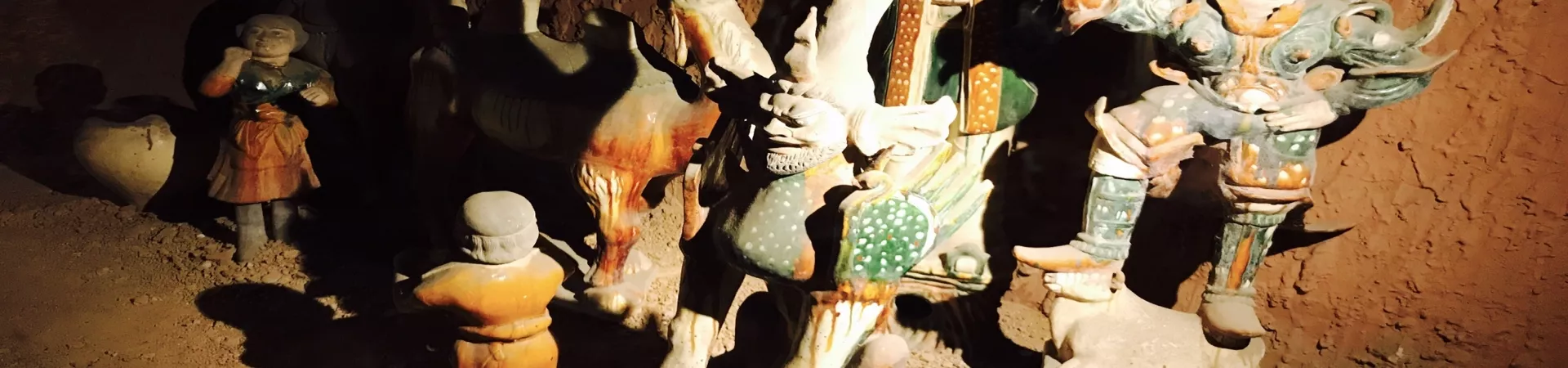
Subtitle: A Journey Through Time: Exploring China's Premier Museum of Ancient Tombs
1. Introduction: A Portal to the Ancient Underworld Nestled in the historic city of Luoyang, one of the cradles of Chinese civilization, the Luoyang Museum of Ancient Art (also widely known as the Luoyang Ancient Tomb Museum) stands as a unique and profound cultural institution. It holds the distinguished title of being the largest thematic museum in China dedicated exclusively to ancient tombs and is recognized as the world's first museum of its kind. More than just a collection of artifacts, it offers an unparalleled, immersive journey into the burial customs, architectural ingenuity, artistic expression, and spiritual beliefs of ancient China, spanning numerous dynasties. By relocating and meticulously reconstructing entire tomb chambers from their original sites, the museum provides visitors with an extraordinary opportunity to walk through history, offering intimate access to spaces that were meant to be sealed for eternity.
2. Museum Layout and Core Exhibition Zones The museum's exhibition space is thoughtfully organized into several distinct zones, each designed to guide visitors through a comprehensive narrative of Chinese funerary art and practice.
2.1. The Exhibition Zone of Typical Tombs from Various Dynasties This section forms the heart of the museum's collection. It features dozens of tomb chambers dating from the Han Dynasty (206 BC – 220 AD) through the Song Dynasty (960 – 1279 AD). Each tomb was carefully dismantled at its original archaeological site, transported, and then reconstructed underground with precise attention to its original form and structure. This approach allows for a direct, comparative study of the evolution in tomb architecture, materials, and design over more than a millennium. Visitors can observe the shift from the compact brick-chambered tombs of the Han to the more elaborate, multi-roomed underground dwellings of the Tang and Song eras.
2.2. The Exhibition Zone of the Northern Wei Imperial Mausoleum This zone is dedicated to the grandeur of imperial burial practices during the Northern Wei Dynasty (386 – 535 AD), when Luoyang served as the capital. The centerpiece is the reconstructed tomb of Emperor Xuanwu. This section highlights the scale, sophistication, and symbolic power associated with royal tombs. It showcases the advanced engineering and lavish artistry reserved for the emperor, including the structure of the tomb passage, the burial chamber itself, and the stone gates, offering a glimpse into the rituals and cosmology of state-level funerary culture.
2.3. The Essence of Ancient Tomb Murals Exhibition Perhaps the most visually stunning section, this zone focuses on the exquisite painted murals that adorned the interiors of many tombs. These paintings were not mere decoration; they served as a vivid pictorial bridge between the world of the living and the afterlife. The murals depict a rich array of subjects: * Daily Life: Scenes of banquets, travel, cooking, and entertainment, reflecting the desire to perpetuate earthly pleasures. * Cosmological Beliefs: Representations of celestial bodies, mythical animals like the Azure Dragon and White Tiger, and deities, mapping the cosmos onto the tomb's ceiling and walls. * Guardian Figures: Portrayals of door guardians, warriors, and officials meant to protect the deceased. * Immortal Realms: Paintings depicting the journey of the soul to paradise. This exhibition preserves the brilliant pigments and dynamic compositions of these ancient artworks, providing invaluable insight into the period's aesthetics, social customs, and spiritual aspirations.
3. The Immersive Visitor Experience The museum's unique curatorial philosophy enables a multi-sensory and multi-perspective understanding of ancient tombs that is impossible to achieve at most archaeological sites.
3.1. Proximity and Perspective Unlike roped-off pits or displays of isolated objects, here visitors enter the tomb chambers themselves. You can walk through tomb passages, stand within the burial vaults, and examine the details of brickwork, stone carvings, and murals from just inches away. This proximity fosters a powerful connection to the past, allowing one to appreciate the atmosphere, acoustics, and spatial dynamics of these underground structures.
3.2. Integration of Architecture and Artefacts The experience is holistic. The tomb structure, its painted decorations, and the accompanying burial objects (replicas or originals) are presented in context. This integration helps illustrate the tomb's complete function as a posthumous residence, showing how architecture, art, and grave goods worked in concert to serve the deceased in the afterlife according to ancient beliefs.
4. Practical Information for Visitors
4.1. Admission and Hours Admission to the Luoyang Museum of Ancient Art is free of charge, making this world-class historical resource accessible to all. Operating hours vary by season: * April 1st to October 31st: 09:00 – 17:00 (Last entry at 16:00). The museum is closed on Mondays during this period. * November 1st to March 31st: 09:00 – 16:30 (Last entry at 16:00). The museum is closed on Mondays during this period. It is always advisable to confirm the latest schedule before your visit, as times may be subject to change for maintenance or special events.
4.2. Planning Your Visit A thorough exploration of the museum's extensive underground galleries and above-ground exhibits typically requires 1 to 3 hours. Comfortable walking shoes are recommended due to the amount of walking and the slightly cooler, humid climate of the underground exhibition spaces. Photography is generally permitted, but the use of flash or tripods may be restricted to protect the delicate murals and artifacts.
4.3. Contact Information For the most current information, you can contact the museum directly at: +86 379 6226 5740.
Information last updated: August 17, 2023. Credit and thanks to contributors including Li Chang_lichang, Waiting, tommy, and others from the Mafengwo travel community.